How to Choose the Right Watercolor Paints for Beginners is your essential guide to navigating the vibrant world of watercolors. This comprehensive exploration will demystify the choices available, ensuring your artistic journey begins with the perfect tools.
We will delve into the fundamental types of watercolor paints, distinguishing between the convenience of tubes and pans, and the quality differences between student and artist grades. Understanding the role of pigments, binders, and additives will empower you to make informed decisions, while insights into pigment load, opacity, transparency, lightfastness, and granulation will illuminate how these factors influence your artwork’s appearance and longevity.
Furthermore, we’ll provide practical advice on assembling a starter palette, selecting versatile sets, and testing paint quality, ensuring you begin your watercolor adventure with confidence and clarity.
Understanding Watercolor Paint Types
Choosing the right watercolor paints is a crucial step for any beginner embarking on their artistic journey. The vast array of options available can be overwhelming, but understanding the fundamental differences between paint types, grades, and their inherent characteristics will empower you to make an informed decision that best suits your learning style and creative aspirations. This section will guide you through the essential aspects of watercolor paint composition and presentation.
Essential Watercolor Paint Components
Understanding the fundamental components of watercolor paints is crucial for making informed choices as a beginner. These elements work together to determine the paint’s handling characteristics, permanence, and visual effects. Let’s delve into what makes up a watercolor paint.
Selecting Your First Watercolor Palette
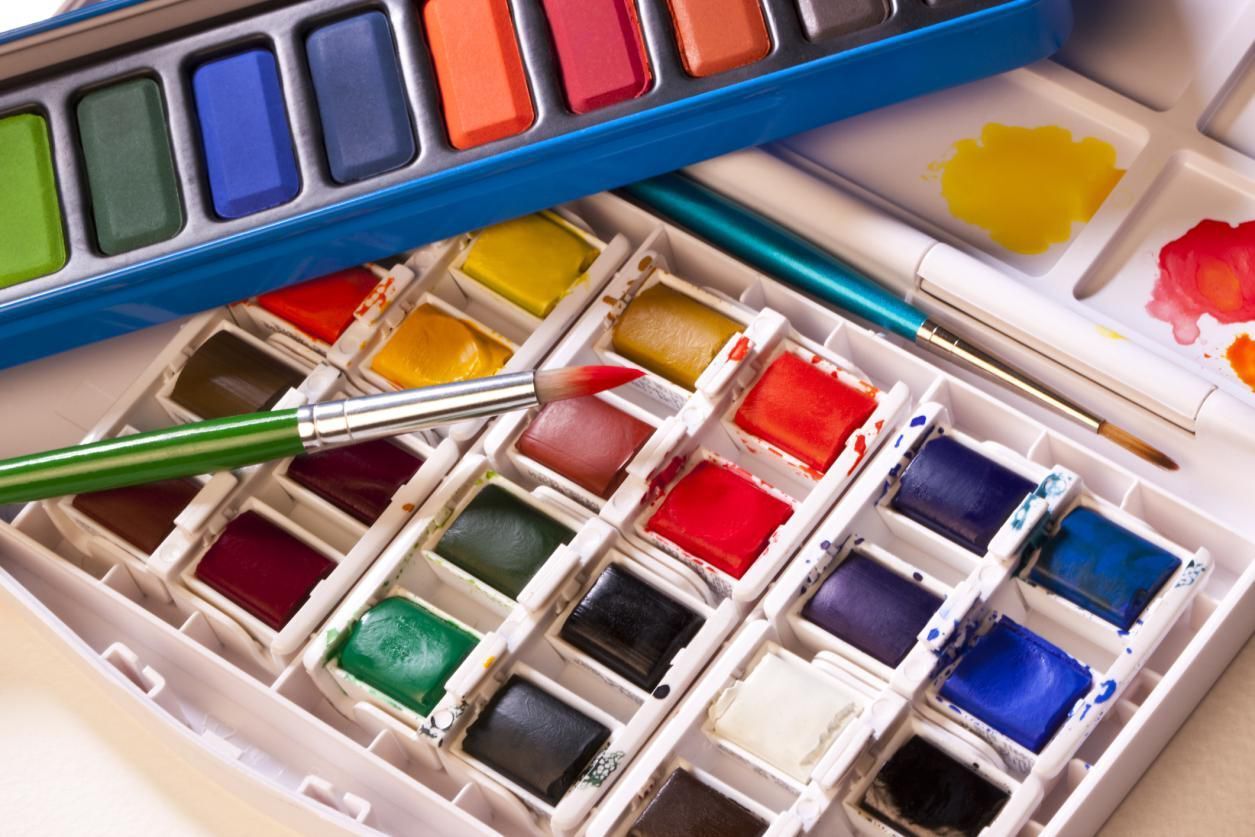
Choosing your initial watercolor palette is an exciting step in your artistic journey. A well-curated starter set will provide you with the fundamental colors needed to explore a wide range of techniques and subjects, without overwhelming you with too many options. This section will guide you through assembling a versatile and effective first palette, whether you opt for pre-selected sets or individual tubes.
Essential Colors for a Beginner’s Palette
A foundational watercolor palette should include a selection of primary colors, secondary colors, and earth tones. These colors offer the broadest range for mixing, allowing you to create a vast spectrum of hues. The rationale behind each choice is to provide a balanced set that facilitates learning color theory and achieving naturalistic or expressive results.
A recommended starter palette typically includes:
- Cadmium Yellow Light (or Lemon Yellow): This cool yellow is excellent for mixing vibrant greens and is a pure, bright yellow for sunny scenes.
- Cadmium Red Light (or Pyrrole Red): A warm, pure red that is essential for mixing oranges, vibrant pinks, and can be used to create deep purples when mixed with blue.
- Alizarin Crimson (or Quinacridone Rose): A cool, deep red that is crucial for mixing purples, desaturating other reds, and creating beautiful floral colors.
- Ultramarine Blue: A warm, deep blue that is excellent for skies, water, and for mixing vibrant greens and purples. It granulates beautifully, adding texture.
- Cerulean Blue: A cool, opaque blue that is perfect for skies and water, offering a soft, atmospheric quality. It’s less intense than Ultramarine, making it easier to control.
- Burnt Sienna: A warm, reddish-brown earth tone that is invaluable for portraits, landscapes, and for toning down other colors to create more natural shades.
- Burnt Umber: A dark, cool brown that is useful for shadows, wood, and for creating deep, rich darks when mixed with other colors.
- Yellow Ochre: A muted, earthy yellow that provides a naturalistic tone for sunlight, sand, and for adding warmth to greens and browns.
Selecting a Small, Versatile Pan Watercolor Set
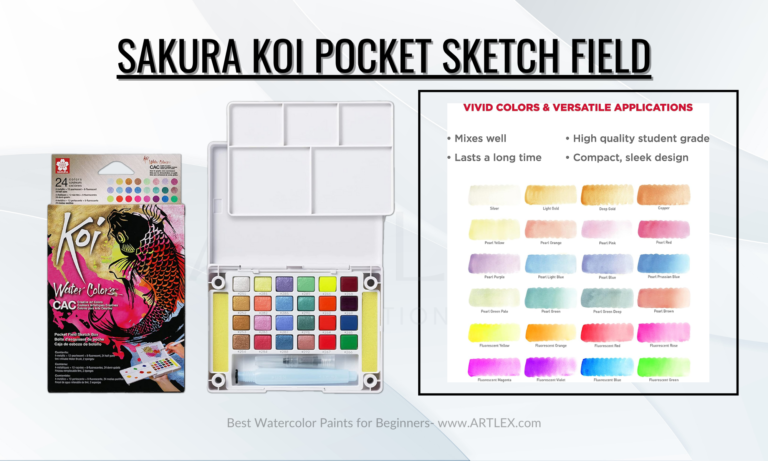
Pan watercolors are solid cakes of paint that are activated with water. They are an excellent choice for beginners due to their portability, ease of use, and cost-effectiveness. A small set of 12 to 24 colors is ideal, offering a good range without being overwhelming. When selecting a set, look for brands known for their pigment quality and lightfastness.
When choosing a pan set, consider the following:
- Brand Reputation: Opt for reputable brands like Winsor & Newton Cotman, Schmincke Akademie, Daniel Smith (though often pricier), or Sennelier La Petite Aquarelle. These brands generally offer good pigment load and consistency.
- Color Selection: A set with a good balance of primaries, secondary colors, and earth tones is preferable. Avoid sets that are heavily weighted towards single hues or novelty colors.
- Pigment Quality: Look for sets that use artist-grade or student-grade pigments. Student-grade paints are more affordable and perfectly suitable for beginners, while still offering good performance.
- Lightfastness: While not always explicitly stated on beginner sets, reputable brands will generally use pigments with good to excellent lightfastness, meaning your paintings will resist fading over time.
- Portability: Pan sets are inherently portable, making them ideal for travel or painting outdoors. Ensure the tin case is sturdy and has a good mixing area.
Essential Tube Watercolors to Purchase Individually
While pan sets are convenient, purchasing individual tubes of watercolor allows for greater customization of your palette. This is particularly useful if you find yourself frequently using certain colors or want to experiment with specific high-quality pigments. Starting with a few key tubes can supplement a pan set or form the basis of a more personalized palette.
When building a palette from individual tubes, consider these essential additions:
- A Cool Yellow: Lemon Yellow (Cadmium Yellow Lemon) or Permanent Lemon Yellow. This provides a brighter, more versatile cool yellow than what might be in a basic pan set.
- A Warm Red: Cadmium Red Light or Pyrrole Red. Essential for mixing vibrant oranges and for general use in warmer palettes.
- A Cool Red: Alizarin Crimson or Quinacridone Rose. Crucial for mixing purples, pinks, and for cooling down other reds.
- A Warm Blue: Ultramarine Blue. Its warm undertones make it excellent for mixing greens and purples, and it offers beautiful granulation.
- A Cool Blue: Cerulean Blue or Phthalo Blue (Green Shade). Cerulean offers a softer sky blue, while Phthalo Blue is intensely vibrant and useful for mixing strong greens.
- A Green: Sap Green or Hooker’s Green. While you can mix greens, having a pre-mixed green can be very convenient for landscapes.
- An Earth Tone: Burnt Sienna or Raw Sienna. These are foundational for landscapes, portraits, and for creating subtle color shifts.
Testing Watercolor Paint Swatches for Vibrancy and Consistency
Before committing to a large purchase or to understand the behavior of your paints, testing swatches is crucial. This process helps you gauge the pigment load, transparency, granulation, and overall vibrancy of a color. It also allows you to see how the paint performs when diluted and concentrated.
To effectively test watercolor paint swatches:
- Prepare Your Surface: Use good quality watercolor paper (at least 140lb/300gsm cold press is recommended).
- Create a Color Block: Apply a concentrated wash of the pure color across a section of the paper. Let it dry completely.
- Create a Gradient Wash: Wet a strip of paper and apply the paint, gradually adding more water as you move down the strip. This shows how the color behaves when diluted.
- Test for Transparency: Draw a line or write a word underneath the dried swatch. If the line or word is clearly visible, the paint is transparent. If it’s obscured, it’s more opaque.
- Observe Granulation: Look for texture within the dried wash. Granulating colors tend to settle into the paper’s texture, creating a speckled effect.
- Check for Lifting: After the swatch is dry, try to lift some of the pigment with a clean, damp brush. This indicates how easily the color can be manipulated.
- Note Pigment Information: If available, record the pigment number(s) (e.g., PY3, PR101) and lightfastness rating for future reference.
Creating a Basic Color Mixing Chart for a Beginner’s Palette
A color mixing chart is an invaluable tool for understanding how your chosen colors interact. It helps you discover new hues, learn to achieve specific shades, and build confidence in your ability to mix colors accurately. Creating one is a hands-on way to learn color theory.
To create a basic color mixing chart:
- Prepare Your Grid: On a sheet of watercolor paper, draw a grid of squares. Label the rows with your pure colors and the columns with your pure colors. Leave the diagonal squares for the pure colors themselves.
- Paint Pure Colors: Fill in the diagonal squares with your individual, unmixed colors. Apply them as a concentrated wash.
- Mix and Paint Combinations: In the remaining squares, mix two colors from the intersecting row and column. For example, where a row labeled “Cadmium Yellow” meets a column labeled “Ultramarine Blue,” mix these two colors and paint the square. Aim for roughly equal parts initially, then experiment with varying ratios.
- Mix with White/Water: If you have a white or opaque color (like Titanium White, though not essential for beginners), mix it with your pure colors to see how it affects their tint. Also, paint diluted versions of your pure colors to show their range.
- Add Secondary and Tertiary Colors: Once you’ve mixed your primary colors, use them to create secondary colors (green, orange, purple) and then tertiary colors (colors made by mixing a primary and a secondary color).
- Observe and Annotate: As you paint your chart, pay attention to the results. Note which combinations create muddy colors, which create vibrant hues, and which achieve specific shades you might want to replicate later. You can annotate your chart with notes on these observations.
The act of mixing colors is fundamental to watercolor painting. A color chart serves as a visual diary of your color exploration and a practical reference for future projects.
Factors to Consider Beyond Paint Type
While understanding the fundamental types of watercolor paints is a crucial first step, several other factors significantly influence your painting experience and the longevity of your artwork. These considerations go beyond the basic pigment and binder and delve into the practical aspects of using watercolors. By paying attention to these details, beginners can make more informed choices and set themselves up for success.Paint quality is not solely determined by its pigment content; other characteristics play a vital role in how the paint behaves and how your finished piece endures.
These include its lightfastness, how easily it re-wets, and its inherent texture. Evaluating these attributes will help you select paints that not only perform well but also stand the test of time.
Paint Permanence and Artwork Longevity
The permanence of watercolor paints refers to their resistance to fading or changing color when exposed to light and environmental factors over time. For artists, this is a critical consideration, especially if they intend to sell their work or wish for their creations to be preserved for future generations. High permanence ensures that the vibrant colors you carefully applied will remain true for years to come.Understanding lightfastness ratings is essential for choosing paints that will not degrade.
These ratings are typically provided by manufacturers and indicate how well the pigment withstands fading.
- Lightfastness Ratings: Most reputable watercolor brands use a standardized system to rate lightfastness. Common scales include the American Society for Testing and Materials (ASTM) ratings (I for excellent, II for good) and the Blue Wool Scale (BWS) (1-8, with 8 being the most resistant to fading).
- Pigment Choice: Different pigments have inherent levels of lightfastness. For example, earth pigments like ochres and siennas are generally very permanent, while some organic pigments, particularly certain reds and blues, may be less so.
- Artwork Display: While high-quality paints offer the best protection, how artwork is displayed also impacts its longevity. Displaying watercolors away from direct sunlight and using UV-protective glass in framing can further enhance their permanence.
“The true test of a watercolor’s quality lies not just in its initial brilliance, but in its enduring vibrancy over time.”
Pigment Properties: Drying Times and Re-wetting
The behavior of watercolor paints when wet and dry is largely dictated by their pigment composition and how they interact with the binder and water. Understanding these properties can significantly influence your painting process, allowing you to choose techniques that suit your style and desired effects.Different pigments have varying densities and particle sizes, which affect how quickly they dry on the paper and how easily they can be reactivated with water once dry.
This directly impacts techniques like glazing, lifting, and wet-on-wet applications.
- Drying Times: Some pigments dry faster than others. This can be due to their chemical properties or the amount of water they absorb. Faster-drying paints might be beneficial for quick layering, while slower-drying paints allow for more blending time and softer edges.
- Re-wetting Properties: This refers to how easily dried paint can be re-wetted and lifted from the paper. Paints with good re-wetting properties are forgiving, allowing for corrections and the creation of highlights through lifting. Pigments that form a stronger bond with the paper may be harder to lift, leading to more permanent marks.
- Granulation: Some pigments granulate, meaning their particles settle into the texture of the paper as they dry, creating a textured, speckled effect. This can add depth and interest to a painting but may not be desired for smooth washes.
- Transparency: The transparency of a pigment affects how light interacts with the paper. Transparent watercolors allow the white of the paper to show through, creating luminous effects, while opaque paints can cover underlying layers.
Paint Texture and Application Techniques
The physical texture of watercolor paints, as influenced by their pigment and binder, can dramatically affect how they are applied to the paper and the visual effects they produce. Understanding these textural qualities allows you to select paints that align with your preferred artistic methods.The way a paint feels and moves on the brush and paper is not just a matter of preference; it dictates how effectively you can achieve certain strokes, blends, and textures.
- Smooth and Creamy: Many high-quality watercolors have a smooth, creamy consistency that allows for effortless brushwork, smooth washes, and subtle blending. This is often indicative of finely ground pigments and a well-formulated binder.
- Gritty or Coarse: Some pigments, especially those that are more natural or less refined, might have a slightly gritty texture. While this can be undesirable for some techniques, it can also be exploited to create interesting textural effects in landscapes or abstract pieces.
- Fluidity: The fluidity of the paint, often related to the binder’s composition, influences how it spreads on the paper. More fluid paints can create softer edges and allow for more spontaneous washes, while less fluid paints offer more control.
- Impact on Techniques: For techniques like dry brushing, where minimal paint and water are used to create broken strokes, a paint with a slightly more pronounced texture can be advantageous. Conversely, for smooth, seamless gradients, a very fine and fluid paint is ideal.
Evaluating Watercolor Paint Brand Quality for Beginners
For beginners, navigating the vast array of watercolor brands can be overwhelming. The quality of the paints you choose will significantly impact your learning curve and the enjoyment of the process. Focusing on brands known for their consistency, pigment load, and adherence to quality standards will provide a better foundation for your artistic development.When selecting a brand, it’s beneficial to look for indicators of quality that are consistently praised by experienced artists and educators.
- Pigment Load: Higher quality paints generally contain a greater concentration of pigment, meaning you get more intense color and better coverage with less paint.
- Binder Quality: The binder (typically gum arabic) affects how the paint adheres to the paper, its re-wetting properties, and its overall handling. High-quality binders result in a more reliable and responsive paint.
- Consistency and Reactivity: Reputable brands offer paints that are consistent in their handling, drying, and re-wetting characteristics across their color range.
- Artist Recommendations: Researching reviews and seeking recommendations from art instructors or experienced watercolor artists can provide valuable insights into reliable brands for beginners.
- Price vs. Value: While professional-grade paints can be expensive, investing in a few good quality colors is often more beneficial for learning than purchasing a large set of very low-quality paints. Look for brands that offer a good balance of quality and affordability.
Understanding Watercolor Paint Labels and Certifications
Deciphering the information on watercolor paint labels is crucial for making informed decisions about your materials. Manufacturers provide specific details about the paint’s composition, performance, and safety. Understanding these labels empowers you to choose paints that meet your artistic needs and ethical considerations.Key certifications and labels offer insights into the paint’s lightfastness, toxicity, and origin.
- Pigment Information (e.g., CI Name/Number): Labels often include the Colour Index (CI) name and number for each pigment used. This provides a precise identification of the colorant, allowing you to research its specific properties like lightfastness and permanence.
- Lightfastness Ratings (ASTM/BWS): As discussed earlier, look for clear indications of lightfastness, such as ASTM I or II, or Blue Wool Scale ratings.
- Transparency/Opacity: Manufacturers usually indicate whether a color is transparent, semi-transparent, or opaque. This is vital for planning layering and achieving desired visual effects.
- Granulating or Non-Granulating: Some labels will specify if a color is granulating, helping you anticipate its behavior on textured paper.
- Toxicity Information: For paints containing potentially hazardous pigments (e.g., some cadmiums or cobalts), labels will often carry warnings or certifications indicating their toxicity. For beginners, opting for non-toxic or cadmium-free alternatives is often a wise choice.
- “Artist Grade” vs. “Student Grade”: While not always a formal certification, these terms generally indicate differences in pigment load, quality of binder, and overall performance. Artist grade paints are typically superior.
Practical Tips for Purchasing Watercolor Paints
Navigating the world of watercolor paints as a beginner can feel overwhelming with so many options available. This section will guide you through the practical steps of acquiring your first set of paints, ensuring you make informed decisions that support your artistic journey. We’ll cover how to prepare your shopping list, the process of buying online, evaluating quality in person, finding budget-friendly choices, and the essential care for your new materials.Making the right choices at the purchasing stage can significantly impact your learning experience and the enjoyment you derive from watercolor painting.
By following these tips, you can confidently select paints that are both suitable for beginners and offer good value.
Self-Assessment Checklist Before Purchase
Before you even begin browsing, taking a moment to consider your personal needs and goals will streamline your purchasing process and prevent impulse buys. This self-reflection ensures you focus on paints that align with your artistic aspirations and practical considerations.Here is a checklist of questions to guide your decision-making:
- What is my current budget for watercolor paints?
- What subjects do I intend to paint initially (e.g., landscapes, portraits, abstracts)?
- How important is lightfastness to me for my future artwork?
- Do I prefer pan watercolors (dry cakes) or tube watercolors (paste-like)?
- Am I looking for a starter set or individual tubes/pans to build my own palette?
- Are there specific colors I know I want to include in my first palette?
- What is my preferred brand, if any, based on initial research?
- How much space do I have for storing my art supplies?
Step-by-Step Procedure for Purchasing Watercolor Paints Online
Online shopping offers a vast selection and the convenience of purchasing from home. However, it requires a careful approach to ensure you receive quality products. Following these steps will help you make a successful online purchase.The online purchasing process for watercolor paints can be broken down into several key stages:
- Research and Brand Selection: Based on your self-assessment and initial research, identify a few reputable brands known for good beginner-friendly watercolors. Look for brands like Winsor & Newton Cotman, Sennelier La Petite Aquarelle, or Grumbacher Academy.
- Product Comparison: Visit the websites of trusted art supply retailers (e.g., Blick Art Materials, Jackson’s Art Supplies, Amazon). Compare different sets or individual colors from your selected brands. Pay close attention to product descriptions, ingredient lists (if available), and customer reviews.
- Review Customer Feedback: Read reviews from other artists, especially beginners, to gauge the quality, pigment load, and handling characteristics of the paints. Look for consistent positive feedback regarding vibrancy and ease of use.
- Check Pigment Information: For individual tubes or pans, note the pigment information (e.g., “PY35” for Cadmium Yellow Light). This indicates the specific pigment used, which is a good indicator of color quality and lightfastness.
- Understand Set Contents: If buying a set, review the list of colors included. Ensure the set provides a good basic range of colors (e.g., a warm and cool version of red, yellow, and blue, plus a few earth tones and white/black if desired).
- Verify Shipping and Return Policies: Familiarize yourself with the retailer’s shipping costs, estimated delivery times, and their return policy in case of damaged or incorrect items.
- Add to Cart and Checkout: Once you’ve made your selection, add the items to your cart. Double-check your order before proceeding to payment.
- Confirmation and Tracking: After placing your order, you should receive an order confirmation email. Keep this for your records and use any provided tracking information to monitor your package’s progress.
Assessing Watercolor Paint Quality in a Physical Store
Visiting a physical art supply store allows you to interact directly with the products, which can be invaluable for assessing quality. While you can’t test the paint’s performance extensively, there are several visual and tactile cues to look for.When examining watercolor paints in a store, consider these aspects:
- Packaging and Labeling: Examine the packaging for any signs of damage or leakage. Reputable brands will have clear labeling indicating the color name, pigment information, and lightfastness rating.
- Tube Integrity: For tube watercolors, gently squeeze the tube (without puncturing it) to feel the consistency of the paint. It should feel smooth and creamy, not gritty or overly stiff.
- Pan Fill: If looking at pan watercolors, observe how the pans are filled. They should be uniformly filled with no significant air bubbles or gaps. The surface should appear smooth.
- Color Swatches (if available): Some stores may have swatch cards or display samples. If available, observe the vibrancy and transparency of the colors.
- Brand Reputation: Rely on your prior research regarding brand reputation. Stores often carry a range of brands, from student-grade to professional-grade. For beginners, student-grade paints from well-known brands are usually a good starting point.
Budget-Friendly Options for Acquiring Good Quality Paints
Acquiring high-quality watercolor paints doesn’t always require a significant initial investment. Many brands offer excellent student-grade options that provide good pigment concentration and lightfastness, making them ideal for beginners.Here are some strategies for finding affordable yet quality paints:
- Opt for Student-Grade Sets: Brands like Winsor & Newton Cotman, Sennelier La Petite Aquarelle, and Grumbacher Academy offer excellent student-grade sets. These sets are typically more affordable than professional-grade paints but still deliver vibrant colors and good performance. A 12-color or 24-color set is usually a great starting point.
- Purchase Individual Tubes/Pans: Instead of buying a large set, consider purchasing a few essential colors in individual tubes or pans. This allows you to build a palette based on your specific needs and budget, gradually adding colors as you progress.
- Look for Sales and Discounts: Art supply stores frequently have sales and promotions. Sign up for email newsletters from your favorite retailers to be notified of discounts.
- Consider Smaller Sets: If a large set is still beyond your budget, look for smaller starter sets, perhaps with 6 or 8 basic colors. These can be very economical.
- Explore Online Marketplaces (with caution): While caution is advised, sometimes you can find good deals on art supplies on platforms like Amazon or eBay. Always check seller reviews and product descriptions carefully to ensure authenticity and quality.
Storing and Caring for New Watercolor Paints
Proper storage and care are crucial for maintaining the quality and longevity of your watercolor paints, ensuring they remain a valuable asset to your artistic practice. Treating your paints with care from the beginning will prevent issues like mold, drying out, or pigment degradation.To ensure your new watercolor paints last:
- Keep Tubes Tightly Capped: After each use, ensure that the caps on your watercolor tubes are screwed on tightly. This prevents the paint from drying out inside the tube.
- Store Pans in a Dry Environment: Pan watercolors should be stored in a dry, cool place. Avoid humid environments, which can encourage mold growth on the paint cakes.
- Protect from Extreme Temperatures: Avoid storing your paints in areas subject to extreme heat or cold, as this can affect the consistency and quality of the pigments and binders.
- Clean Brush Residue: If you use brushes directly from the paint, try to rinse them thoroughly before storing them. Any dried paint residue on the brush can potentially contaminate your paints over time.
- Allow to Dry Properly: If you have used tube paints and some have squeezed out, allow them to dry completely before capping the tube again, if it’s a situation where you intend to re-activate them as pans. For pan paints, ensure they are dry before closing their case.
- Organize Your Paints: Keep your paints organized, whether in a dedicated watercolor box or a drawer. This prevents them from getting lost or damaged. Labeling your pans or tubes with the color name and pigment can also be helpful.
- Avoid Direct Sunlight: Store your paints away from direct sunlight, as prolonged exposure can fade the pigments over time, even before you use them.
Conclusion
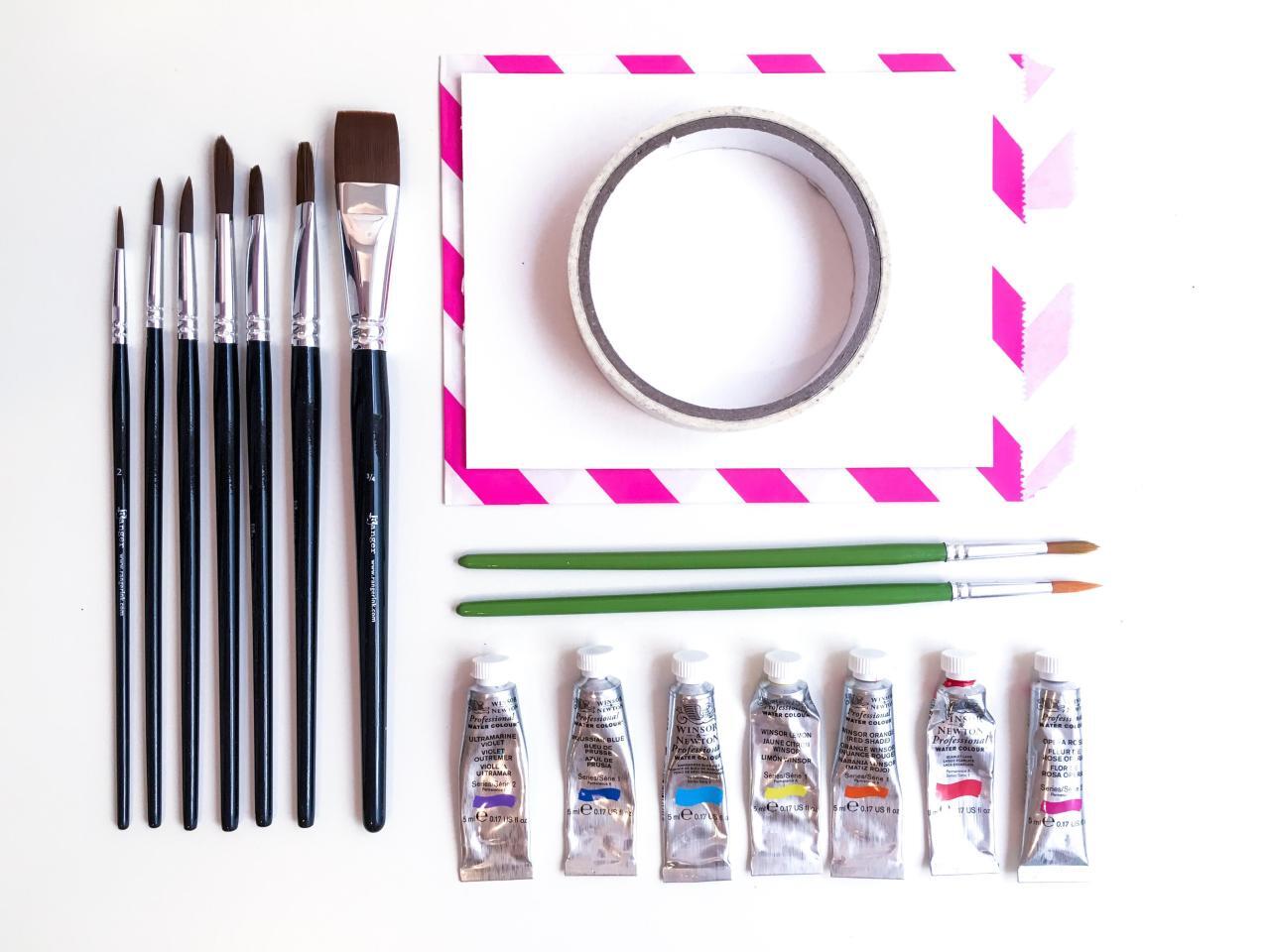
By understanding the nuances of watercolor paint types, essential components, and practical purchasing considerations, you are now well-equipped to select the ideal paints for your beginner watercolor journey. This knowledge empowers you to invest wisely, fostering a more enjoyable and productive creative experience as you bring your artistic visions to life with confidence and skill.