As How to Paint a Graded Wash from Light to Dark takes center stage, this opening passage beckons readers into a world crafted with good knowledge, ensuring a reading experience that is both absorbing and distinctly original.
This guide will walk you through the fundamental concepts and practical techniques for achieving beautiful graded washes, transforming your artwork with smooth, captivating transitions from light to dark. We will explore the essential materials, preparation steps, and various application methods to help you master this versatile painting skill, suitable for a wide range of artistic endeavors.
Understanding Graded Washes

A graded wash is a fundamental technique in painting that involves the gradual transition of color intensity or value across a painted area. This effect is achieved by skillfully blending pigment with water or another medium, creating a smooth shift from one tone to another. It is a versatile tool that artists employ to introduce depth, form, and atmospheric perspective into their work.The visual effect of a graded wash, particularly when moving from light to dark, is one of subtle dimensionality.
It mimics how light falls on objects, creating highlights that gradually deepen into shadows. This progression lends a sense of volume and realism, making flat surfaces appear more three-dimensional and suggesting the presence of a light source.Graded washes are integral to numerous art forms and applications, serving both aesthetic and representational purposes. They are commonly used in watercolor, gouache, acrylics, and even digital painting to depict skies, water, landscapes, and the form of subjects.
The Concept of a Graded Wash
A graded wash, in essence, is a controlled application of diluted pigment where the concentration of color is progressively increased or decreased. This creates a smooth gradient, eliminating harsh lines or abrupt changes in tone. The success of a graded wash relies on the artist’s ability to manage the wetness of the paper or surface and the amount of pigment and water on their brush.
Visual Effect of a Light-to-Dark Graded Wash
The light-to-dark graded wash creates a compelling illusion of form and depth. Starting with a very diluted mixture of pigment and water, the artist applies the lightest tone to the area that would receive the most direct light. As the wash progresses across the surface, more pigment is added to the brush, or less water is used, gradually deepening the color.
This results in a seamless transition from a bright highlight to a rich shadow, effectively modeling the subject and suggesting its roundness or curvature. This technique is crucial for depicting spheres, cylinders, and other rounded forms, as well as for creating atmospheric effects like the fading light of a sunset.
Purpose and Common Applications of Graded Washes
The primary purpose of a graded wash is to simulate natural light and shadow, thereby enhancing the three-dimensionality and realism of a painting. It is also used to establish a mood or atmosphere, such as the serene calm of a clear sky or the dramatic intensity of a stormy one.Common applications include:
- Skies: Creating realistic skies that transition from bright daylight near the horizon to darker tones at the zenith, or depicting sunsets and sunrises with vibrant color gradients.
- Water: Rendering the subtle shifts in color and light on the surface of water, from reflections to depths.
- Landscapes: Suggesting atmospheric perspective by making distant objects appear lighter and less distinct, or by depicting the gradual change in light across hills and valleys.
- Portraits and Still Life: Modeling the forms of faces, drapery, and objects to give them volume and presence. For instance, a graded wash can define the curve of a cheekbone or the roundness of a fruit.
- Backgrounds: Providing a soft, unobtrusive background that allows the main subject to stand out, while still contributing to the overall composition and mood.
Essential Materials for Graded Washes
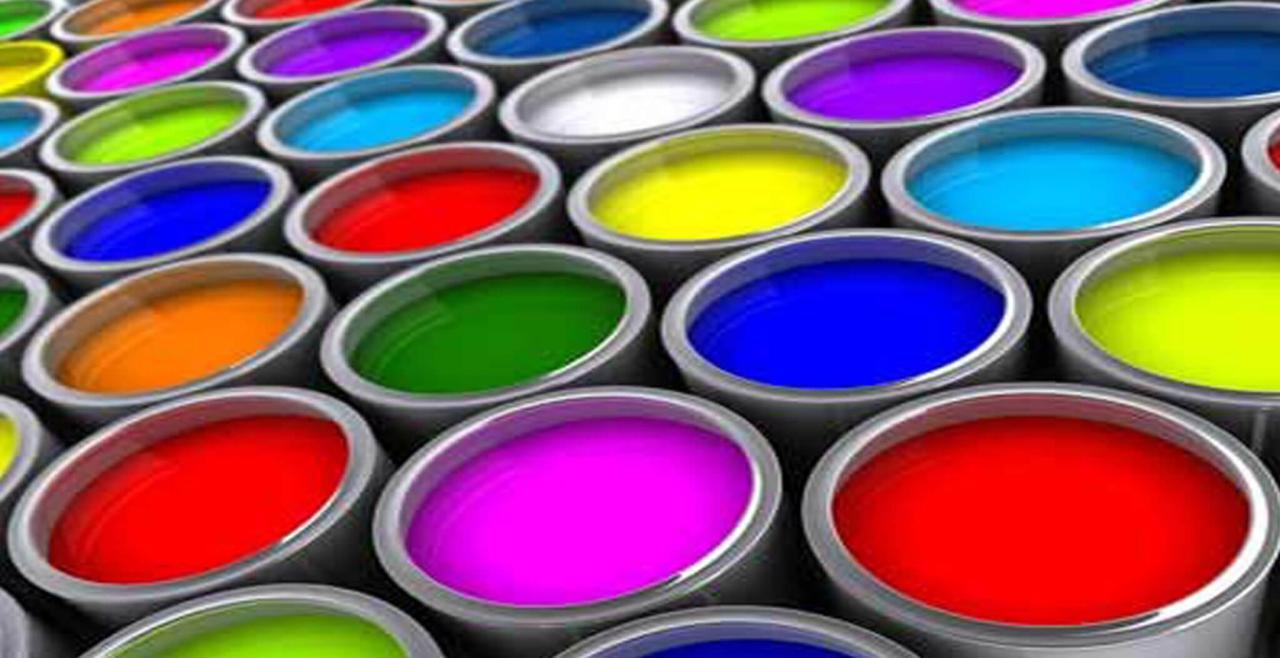
Creating a beautiful graded wash requires a thoughtful selection of art supplies. The interplay between your paints, brushes, and the surface you work on is crucial for achieving those smooth, seamless transitions from light to dark. Understanding the role of each component will empower you to produce stunning results.The right tools can significantly enhance your ability to control the flow and blending of your paint, making the process more intuitive and the outcome more pleasing.
Let’s explore the essential materials that will form the foundation of your graded wash practice.
Paints and Brushes
The choice of paints and brushes directly impacts the fluidity and blending capabilities of your graded wash. Different paint types offer varying working times and opacities, while brush characteristics influence how much pigment and water you can hold and apply.
- Paints: For graded washes, watercolors are a popular choice due to their transparency and ability to create luminous, layered effects. However, acrylics and inks can also be used effectively, provided they are thinned appropriately to achieve a fluid consistency. Look for artist-grade paints, as they generally have higher pigment concentration and better lightfastness, contributing to more vibrant and lasting washes.
- Brushes: Soft, natural-hair brushes, such as sable or squirrel, are excellent for graded washes because they hold a significant amount of water and paint, allowing for generous application and smooth blending. Synthetic brushes designed to mimic natural hair can also be a good and more budget-friendly option. A medium to large round brush is often preferred for its versatility in holding washes and creating broad strokes.
Paper or Canvas Surfaces
The surface you choose plays a pivotal role in how your paint behaves, particularly with water-based media. The absorbency and texture of the paper or canvas will dictate how quickly the water evaporates and how the pigment settles, influencing the smoothness of your transitions.
- Watercolor Paper: This is the go-to surface for graded washes. It’s designed to withstand multiple washes and re-wetting without buckling or disintegrating. Watercolor paper comes in three main textures:
- Hot-Press: This paper is very smooth, with minimal texture. It’s ideal for detailed work and smooth, even washes, as the paint sits on the surface and blends easily.
- Cold-Press: This is the most common type, offering a medium texture. It provides a good balance of absorbency and texture, allowing for both smooth washes and some visible brushstrokes.
- Rough: This paper has a pronounced texture, which can create interesting effects in washes but may make achieving perfectly smooth transitions more challenging.
Aim for paper that is at least 140lb (300gsm) to prevent excessive buckling when wet.
- Canvas: While less common for traditional graded washes, canvas can be used with acrylics or inks. For acrylics, ensure the canvas is primed with gesso, and consider using acrylic mediums to increase fluidity and working time. For inks, a smooth, tightly woven canvas might yield better results than a heavily textured one.
The Importance of Water
Water is not merely a diluent; it is an active participant in the creation of a graded wash. Its presence, quantity, and movement are fundamental to achieving those desired seamless blends from light to dark.
Water is the medium through which pigment travels and blends. Its control is paramount to a successful graded wash.
The amount of water you use will determine the intensity of your color and the speed at which it dries. A higher water-to-pigment ratio will result in lighter, more transparent washes, while a lower ratio will produce richer, more opaque colors. The way water is applied and allowed to move across the surface is what creates the gradient. When painting a graded wash, you are essentially managing the evaporation rate of the water, allowing the pigment to settle evenly as the moisture recedes.
Understanding how water interacts with your chosen surface and paint is key to mastering smooth transitions.
Preparing Your Workspace and Palette
Setting up an effective painting area and palette is crucial for achieving smooth and controlled graded washes. A well-organized space minimizes distractions and ensures that your materials are readily accessible, allowing you to focus on the delicate balance of water and pigment required for a successful gradient. This section will guide you through creating an optimal environment for this technique.A conducive workspace is one that is clean, well-lit, and provides ample room for your materials and movements.
Considering the fluid nature of watercolor washes, it’s also beneficial to have surfaces that can tolerate occasional spills. Your palette arrangement should facilitate the gradual mixing of colors, moving from the lightest to the darkest shades seamlessly.
Workspace Organization
A structured approach to setting up your painting area will enhance your workflow and the quality of your graded washes. Prioritize a clean and uncluttered environment to prevent accidental smudges or contamination of your paints. Ensure good lighting, preferably natural daylight, to accurately judge color values and tones.The following steps Artikel how to organize your painting space for graded washes:
- Clear and Clean Surface: Begin by ensuring your primary work surface (e.g., a sturdy table or easel) is clean and free of any debris. This prevents unwanted textures or colors from transferring to your paper.
- Adequate Lighting: Position yourself in a well-lit area. Natural light is ideal, but if using artificial light, opt for a full-spectrum bulb that mimics daylight to ensure accurate color perception.
- Water Sources: Have at least two containers of clean water readily available. One will be for rinsing your brush, and the other for diluting your paint to achieve lighter tones. Keep them within easy reach.
- Paper Support: Secure your watercolor paper to a rigid surface like a drawing board or gatorboard. This prevents buckling as the paper absorbs water. You can use artist’s tape or clips.
- Material Placement: Arrange your paints, brushes, paper towels, and any other necessary tools in a logical order that minimizes reaching and fumbling. Place them on a tray or in a designated area.
- Ventilation: If using any mediums or fixatives, ensure the space is well-ventilated.
Palette Arrangement for Graded Washes
The way you arrange your paints on your palette significantly impacts your ability to create a smooth color transition. The goal is to have a clear progression from your lightest tint to your darkest shade, allowing for intuitive mixing.A recommended palette setup for graded washes involves organizing your colors in a linear fashion:
- Lightest Tint: Place your chosen color with a significant amount of water (your lightest tint) at one end of your palette. This is your starting point for the wash.
- Mid-Tones: Progressively add more pigment to the water as you move along the palette, creating a series of intermediate shades. Each subsequent puddle should be slightly darker than the one before.
- Darkest Shade: At the opposite end of the palette, have your darkest mixture, which is typically a more concentrated pigment with less water.
- Separate Mixing Area: Designate a specific area on your palette for mixing new shades or adjusting existing ones. This keeps your gradient puddles clean and distinct.
Consider using a ceramic palette or a palette with deep wells, as these can hold larger quantities of diluted paint, which is beneficial for maintaining consistency in larger washes.
Maintaining a Consistent Water-to-Paint Ratio
The success of a graded wash hinges on maintaining a controlled and consistent flow of diluted paint. This requires careful attention to the water-to-paint ratio throughout the painting process.To ensure consistency, follow these guidelines:
- Pre-mix Your Tones: Before you begin painting your wash, pre-mix all the necessary shades on your palette, from the lightest to the darkest. This allows you to assess and refine the ratios beforehand.
- Use the Same Brush Size: Employ the same brush for the entire wash. Different brush sizes can hold varying amounts of water and pigment, leading to inconsistencies.
- Consistent Water Loading: Develop a consistent method for loading your brush with water and paint. Dip your brush into your water container, then into your pigment, and mix on the palette.
- Test Swatches: It is highly recommended to create test swatches on a scrap piece of watercolor paper before applying the wash to your final artwork. This allows you to check the color saturation and flow.
- Observe Paint Behavior: Pay close attention to how the paint behaves on your brush and the paper. If the wash appears too pale or watery, you may need to add more pigment. If it’s too dark or streaky, add more water.
- Work Quickly and Decisively: Graded washes often require working while the paper is still wet. This minimizes hard edges and encourages smooth blending. However, this speed should be balanced with careful observation of your ratios.
A helpful mnemonic for remembering the balance is:
“More water for lighter, more pigment for darker.”
This simple principle guides the adjustment of your mixtures to achieve the desired gradient.
Techniques for Applying a Light-to-Dark Graded Wash
Applying a graded wash from light to dark is a fundamental skill in watercolor painting that allows for the creation of depth, form, and atmosphere. This technique involves a controlled application of pigment and water to achieve a smooth transition of color values. Mastering these techniques will enable you to render realistic skies, backgrounds, and tonal variations with confidence.The success of a graded wash lies in understanding the interplay between water and pigment on your paper and how to manipulate them with your brush.
We will explore the primary methods for achieving this effect, focusing on the brushwork, water control, and color application that lead to seamless gradients.
Fundamental Brushstrokes and Movements
Achieving a smooth gradient requires deliberate and consistent brushwork. The goal is to lay down a consistent layer of diluted paint and then progressively add more pigment or use less water to darken the value as you move across the paper. This is typically done with broad, sweeping strokes.
- Horizontal Strokes: For a standard light-to-dark wash, begin at the top with a very diluted mixture of your chosen color. Load your brush with enough paint to cover a significant area without needing to reload too frequently. Make a broad, horizontal stroke, ensuring the edge of the paint you just laid down is still wet.
- Overlapping Strokes: Immediately make a second, overlapping horizontal stroke directly below the first. As you pull the brush down, the pigment from the upper stroke will naturally flow into the lower one, creating a softening effect. Continue this process, making each subsequent stroke slightly darker by adding a touch more pigment to your brush or by using a slightly more concentrated mix.
- Consistent Pressure and Speed: Maintain a consistent pressure and speed throughout your strokes. This uniformity helps prevent harsh lines or uneven patches. Think of it as “pushing” the wet paint down the paper, allowing gravity and capillary action to do some of the work.
- Tilting the Paper: For even smoother transitions, especially in larger areas, you can gently tilt your paper. This encourages the water and pigment to flow downwards naturally, blending the edges of your strokes more effectively.
The Wet-on-Wet Technique
The wet-on-wet technique is often the preferred method for creating soft, ethereal graded washes. It involves applying wet paint onto a surface that is already wet with clean water or a previous layer of diluted paint. This allows the pigments to diffuse and blend organically, resulting in beautiful, atmospheric transitions.The primary advantage of wet-on-wet for graded washes is the inherent softness it provides.
The water on the paper acts as a medium for the pigment to spread into, preventing sharp edges and creating a natural diffusion of color. This is ideal for rendering skies, backgrounds, or any area where a subtle, atmospheric gradation is desired. To implement this for a light-to-dark wash:
- Apply a layer of clean water or a very light wash of your chosen color to the entire area you intend to paint. Ensure the paper is evenly damp, not puddled.
- Starting at the top, apply your lightest color mixture.
- As you move downwards, begin introducing slightly darker mixtures. The wet paper will allow these colors to blend seamlessly.
- Continue adding darker values as you descend, allowing the colors to mingle and soften naturally.
“Wet-on-wet allows the paint to speak for itself, creating organic blends that are difficult to replicate with other methods.”
The Wet-on-Dry Technique
While wet-on-wet excels at soft blends, the wet-on-dry technique offers greater control and precision, making it suitable for more deliberate and defined graded washes. This method involves applying wet paint onto dry paper or onto a completely dry layer of previous paint.The wet-on-dry technique is preferred when you need to maintain more distinct control over the edges of your wash or when you are building up layers of color gradually.
It allows for sharper transitions if desired, but with careful brushwork, it can also produce smooth gradients. To create a light-to-dark graded wash using this method:
- Start with a very light wash of your color on dry paper, making broad, horizontal strokes.
- Allow this first layer to dry completely.
- Apply a second, slightly darker wash over the first, again using broad horizontal strokes. Ensure the strokes overlap the dried layer below.
- Continue this process, allowing each layer to dry before applying the next, progressively increasing the pigment concentration in your brush.
This layering approach allows you to build up the intensity of the color gradually, giving you excellent control over the final value.
Building Up Color Intensity Gradually
The key to a successful light-to-dark graded wash is patience and a systematic approach to increasing color intensity. Avoid the temptation to jump to darker values too quickly, as this can lead to muddy or uneven results.The process involves a series of applications, with each subsequent application introducing a slightly more concentrated pigment mixture.
- Start with Dilution: Begin with a highly diluted pigment mixture, essentially a tint of your chosen color. This will form the lightest part of your gradient.
- Incremental Darkening: After applying the first light layer (whether wet-on-wet or wet-on-dry), allow it to dry if necessary. For the next layer, add a small amount of pigment to your brush or mix a slightly more concentrated solution.
- Observe and Adjust: Continuously observe the value you are achieving. It is always easier to add more color than to remove it. If you find a section is too dark, you can often lift some pigment with a clean, damp brush while the paint is still wet, or re-wet the area and gently lift with a sponge or paper towel if dry.
- Multiple Layers: For deep, rich darks, you may need to apply several layers. Ensure each layer is dry before applying the next to maintain control and prevent the colors from becoming muddy.
Achieving Soft, Seamless Transitions
Creating soft, seamless transitions is the hallmark of a well-executed graded wash. This is achieved through a combination of water control, brushwork, and the inherent properties of watercolor.Here are some tips to ensure your transitions are smooth and beautiful:
- Water Management: The amount of water on your brush and paper is crucial. For soft transitions, ensure there is enough moisture for the colors to mingle. A damp brush can be used to gently soften the edge between two values while the paint is still wet.
- The “Pooling” Effect: As you make your strokes, allow a slight “pool” of paint to form at the bottom edge of each stroke. This pool will naturally blend into the next stroke.
- Working with the Paper’s Absorbency: Different papers have different absorbency rates. Experiment with your chosen paper to understand how quickly it drinks the water and pigment. This knowledge will help you predict how your colors will blend.
- Using a Clean, Damp Brush: A clean, damp brush (not wet) can be used to gently feather the edge between two values. Lightly brush over the boundary line, lifting a little pigment and spreading it softly. This technique is most effective when the paint is still slightly damp.
- “Back-Washing”: This advanced technique involves applying a layer of clean water to an area just above where you want to create a soft transition. Then, apply your darker color into the wet area. The water will help diffuse the color, creating a very soft edge.
Color Mixing for Graded Washes
Achieving a smooth and visually pleasing graded wash relies heavily on thoughtful color selection and precise mixing. This section will guide you through the process of creating harmonious color transitions that enhance your artwork. Understanding how colors interact and how to manipulate them will elevate your graded washes from simple gradients to dynamic and expressive elements.The foundation of a successful graded wash lies in the deliberate selection and preparation of your colors.
This involves understanding color theory and applying it to create specific visual effects, whether you aim for subtle shifts or bold contrasts.
Selecting Colors for Graded Washes
The choice of colors is paramount in defining the mood and impact of your graded wash. Whether you opt for colors that are close to each other on the color wheel or those that create a striking contrast, the goal is to build a transition that feels intentional and aesthetically pleasing.Strategies for color selection include:
- Analogous Colors: These are colors that sit next to each other on the color wheel, such as blues, blue-greens, and greens. Using analogous colors creates a sense of harmony and a gentle, flowing transition. For example, a wash moving from a cerulean blue to a phthalo green will offer a serene and natural feel, often seen in skies or landscapes.
- Complementary Colors: These are colors directly opposite each other on the color wheel, such as blue and orange, or red and green. When used in a graded wash, complementary colors can create a vibrant and dynamic effect. However, it’s crucial to mix them carefully to avoid muddying the colors. A controlled transition from a warm cadmium orange to a cool ultramarine blue can produce a powerful and energetic gradient, suitable for abstract pieces or dramatic sunsets.
- Monochromatic Scheme: This involves using different shades, tints, and tones of a single color. This approach is excellent for creating subtle, sophisticated washes with a strong sense of unity. For instance, a graded wash using Payne’s Grey, starting with a light tint and progressing to a darker, richer tone, can evoke a sense of depth and solemnity.
Mixing Tones from a Single Color
Creating a range of tones from a single color is fundamental for monochromatic graded washes and adds depth to any gradient. This process involves adjusting the value and intensity of the base color.Methods for creating tonal variations include:
- Adding Water (for watercolor): The most straightforward way to lighten a color and create tints is by adding water. Start with your chosen color at full strength and gradually add more water for each subsequent step of your wash, creating a lighter hue.
- Adding White (for opaque mediums like acrylic or gouache): For opaque paints, white is used to create lighter tints. Mix your base color with increasing amounts of white to achieve lighter values.
- Adding Black or a Complementary Color (for darkening): To create darker tones or shades, you can add a small amount of black. Alternatively, for a more nuanced darkening, adding a tiny amount of the color’s complement can desaturate and deepen the hue without making it purely black. For example, adding a touch of burnt sienna to a blue will darken it and give it a richer, less stark tone.
The key to a successful monochromatic wash is to mix enough of each tone beforehand to ensure consistency throughout the application.
Achieving Luminous and Vibrant Washes
Luminosity and vibrancy in graded washes are achieved through careful color blending and the strategic use of color. It’s not just about the colors themselves, but how they interact and transition.Techniques for luminous and vibrant washes include:
- Wet-on-Wet Blending: Applying wet paint onto a wet surface allows colors to bleed and blend softly into one another. This technique is ideal for creating smooth, ethereal transitions and vibrant, glowing effects, especially with transparent mediums like watercolor. The colors mix optically on the paper, creating a luminous quality.
- Layering Transparent Colors: For mediums like watercolor, layering transparent washes can build depth and luminosity. Applying a lighter wash over a dry, darker wash can create interesting optical mixing and vibrant interactions between the colors.
- Avoiding Overworking: Overmixing or overworking the paint, especially with watercolors, can lead to muddy colors and a loss of vibrancy. It’s often best to let the colors blend naturally or to apply them with confidence and precision.
- Using Pigments with High Tinting Strength: Some pigments inherently possess a stronger tinting strength, meaning a small amount can significantly alter the color of another. Utilizing these pigments strategically can help maintain vibrancy even when mixing. For instance, a vibrant cadmium yellow will retain its intensity better when mixed with white than a weaker pigment.
Consider the inherent properties of your chosen pigments. Some colors are naturally more transparent or opaque, and understanding this will help you predict how they will blend and interact to create the desired luminous effect.
Troubleshooting Common Graded Wash Issues
While achieving a smooth, seamless graded wash is the goal, it’s common to encounter a few bumps along the way. Understanding these potential problems and their solutions will significantly improve your ability to create beautiful, nuanced washes. This section addresses some of the most frequent challenges and offers practical strategies for overcoming them.
Hard Edges in Graded Washes
Hard edges occur when the paint dries before you have a chance to blend the transition between colors or values. This can disrupt the intended fluidity of the wash, making it appear segmented rather than graduated.To correct hard edges:
- Re-wet the area: If the paint is still wet but has started to form a hard line, gently re-wet the edge with clean water or a diluted version of the next color.
- Feathering: Use a clean, damp brush to gently “feather” the edge, softening the transition by lightly dragging the pigment back into the wet area.
- Second Pass: In some cases, you might need to carefully reapply a thin layer of diluted color over the hard edge, working quickly to blend it into the surrounding wet paint.
Muddy or Dull Colors
Muddy colors often result from overworking the paint, mixing too many pigments together, or using water that has become contaminated with too much pigment. This can lead to a loss of vibrancy and clarity in your graded wash.To avoid or correct muddy colors:
- Clean Water is Key: Always use fresh, clean water for mixing and rinsing your brush. Have at least two water containers available – one for initial rinsing and one for cleaner rinsing.
- Limit Pigment Mixing: When creating a graded wash, aim to mix only the two primary colors or values you are transitioning between. Adding too many colors can lead to dullness.
- Work Quickly and Deliberately: Overworking the pigment on the paper can cause the colors to blend into an undesirable muddy tone. Apply the paint with confident strokes and avoid excessive brushing.
- Allow Layers to Dry: If you are layering colors for a graded effect, ensure each layer is completely dry before applying the next. This prevents unintended mixing and muddiness.
Uneven or Streaky Washes
Streaks and unevenness can arise from inconsistent water-to-pigment ratios, a brush that is too dry or too wet, or an uneven application of paint. These imperfections detract from the smooth gradient effect.To achieve even and streak-free washes:
- Consistent Brush Loading: Ensure your brush is consistently loaded with the correct amount of paint and water. Test the consistency on scrap paper before applying it to your artwork.
- Angle of Application: Hold your brush at a consistent angle as you apply the paint. A slight tilt is usually best for even distribution.
- Paper Surface: Ensure your paper is lying flat and is not buckling. Warped paper can lead to uneven water flow and pigment distribution. If using watercolor paper, stretching it can prevent this.
- Controlled Strokes: Apply your paint in smooth, overlapping strokes. For horizontal washes, work from top to bottom. For vertical washes, work from side to side, allowing gravity to assist in a smooth flow.
Lifting Color to Lighten Areas or Refine Transitions
Lifting color is a valuable technique for correcting mistakes, lightening specific areas, or softening transitions in a graded wash. It involves removing pigment while it is still wet or has just begun to dry.Techniques for lifting color:
- Using a Clean, Damp Brush: With a clean, slightly damp brush, gently touch the area where you want to lighten or soften. The brush will absorb some of the pigment. Rinse and repeat as needed, but be careful not to overwork the paper.
- Using a Sponge: A clean, slightly damp sponge can be used to lift larger areas of color. Dab gently to absorb excess pigment.
- Using a Paper Towel: A crumpled or folded paper towel can be used to lift color, especially for creating soft textures or lightening broader areas.
It is crucial to remember that lifting is most effective when the paint is still wet or damp. Once the paint has fully dried, lifting becomes much more difficult and can damage the paper surface.
Avoiding Overworking the Wash and Preserving Fluidity
Overworking a graded wash can lead to a loss of spontaneity, dullness, and a breakdown of the paper’s surface. The key is to work with intention and allow the materials to do some of the work for you.Strategies to avoid overworking:
- Plan Your Moves: Before you begin, visualize the stroke and the transition you want to achieve. Have your colors mixed and your water ready.
- Embrace the Flow: Graded washes rely on the natural flow of water and pigment. Resist the urge to constantly fiddle with the paint. Let the water carry the pigment.
- Know When to Stop: It’s better to have a slightly imperfect wash that is fresh and fluid than an over-manipulated one that is dull and overworked. Learn to recognize when you have achieved a satisfactory result and step away.
- Practice Makes Perfect: The more you practice creating graded washes, the more intuitive it will become to apply the paint efficiently and effectively, minimizing the need for excessive correction.
Advanced Graded Wash Applications
Beyond the fundamental light-to-dark transition, graded washes offer a sophisticated toolkit for artists to explore deeper artistic expression and create visually compelling effects. This section delves into more intricate applications, demonstrating how to elevate your graded wash techniques to achieve professional-level results.
Multi-Color Graded Washes with Distinct Hue Shifts
Creating seamless transitions between multiple colors requires careful planning and precise execution. The key is to understand how colors interact and to introduce subsequent hues while the previous wash is still slightly damp, allowing for a natural blend.To achieve distinct hue shifts, consider the following approach:
- Color Selection: Choose colors that are adjacent on the color wheel or complementary colors with a muted tone to avoid muddying. For instance, transitioning from a warm yellow to a vibrant orange, or from a cool blue to a deep violet.
- Layering Strategy: Begin with your lightest color and apply it as a graded wash. Before it dries completely, introduce the next color at the darker end of the wash, allowing the two colors to merge where they meet.
- Water Control: The amount of water on your brush and paper is crucial. Use less water for subsequent colors to maintain their vibrancy and control the blending.
- Multiple Passes: For very subtle shifts or to deepen the transition, you can re-apply washes of the individual colors or a mix of the two colors once the initial layer is dry.
Incorporating Textures or Patterns within a Graded Wash
Adding textural elements or patterns to a graded wash can introduce a dynamic and layered quality to your artwork. This can be achieved through various techniques that interact with the wetness of the wash or by applying elements over a dry wash.Methods for integrating textures and patterns include:
- Wet-on-Wet Texture: While the graded wash is still damp, you can gently introduce salt, sugar, or even rice grains. As the water evaporates, these elements will absorb pigment, creating unique starburst or crystalline patterns. Once dry, brush away the excess granules.
- Scratching Techniques: After applying a graded wash and allowing it to dry, you can use the edge of a palette knife, a credit card, or a sharp object to scratch lines or patterns into the paint. This reveals the paper beneath and creates a textured effect.
- Masking Fluid: Apply masking fluid in patterns or specific shapes before laying down your graded wash. Once the wash is dry, remove the masking fluid to reveal unpainted areas, creating sharp-edged patterns.
- Stamping or Impression: Using textured objects like sponges, bubble wrap, or even leaves, you can press them into a wet graded wash to create impressions.
Using Graded Washes as Backgrounds for Other Artistic Elements
Graded washes serve as excellent, non-distracting backgrounds that can enhance and support foreground elements in a composition. Their soft transitions and atmospheric quality can add depth and mood without competing for attention.Effective strategies for using graded washes as backgrounds:
- Creating Depth: A graded wash that moves from dark to light can push foreground elements forward, while a light-to-dark wash can create a sense of receding space.
- Establishing Mood: The color choice and the direction of the grade can significantly influence the mood of the artwork. Warm, vibrant graded washes can evoke energy, while cool, muted tones can create a sense of calm or melancholy.
- Guiding the Viewer’s Eye: By carefully placing the darkest or most saturated part of the graded wash, you can subtly direct the viewer’s gaze towards the main subject.
- Layering Subjects: Once the graded wash background is dry, you can confidently paint or draw your main subjects over it. The subtle variations in the wash will add visual interest to the background, making the overall piece more engaging.
Application of Graded Washes in Different Mediums
The principles of graded washes are transferable across various painting mediums, though the specific handling and drying times will differ. Understanding these nuances allows for successful application in watercolors, acrylics, and gouache.Here’s how graded washes are applied in different mediums:
- Watercolor: This is perhaps the most intuitive medium for graded washes due to its transparency and the natural flow of water. The key is controlling the water-to-pigment ratio and working quickly before the paint dries. Graded washes in watercolor are known for their luminosity and delicate transitions.
- Acrylics: Acrylics dry much faster than watercolors, which can make achieving smooth graded washes challenging. Using a retarder medium is highly recommended to extend the drying time and allow for blending. Alternatively, artists can employ the “wet-on-wet” technique on a damp surface or work in sections, blending edges before they dry.
- Gouache: Gouache, being an opaque watercolor, allows for both transparent and opaque graded washes. When used thinly with water, it behaves similarly to watercolor. However, its opacity means that subsequent layers can cover previous ones, offering more control over sharp transitions or for correcting mistakes. Graded washes in gouache can achieve a matte, velvety finish.
Visualizing Graded Wash Examples
Understanding how a graded wash looks in practice is crucial for achieving successful results. These examples will help you visualize the smooth transitions and subtle color shifts that define this technique, allowing you to better anticipate and replicate them in your own artwork. By studying these textual representations, you can gain a clearer mental image of what a well-executed graded wash entails, from the delicate play of light to the rich depth of color.
Successful Graded Wash Appearance
A successful graded wash is a testament to controlled application and thoughtful color mixing. It presents a seamless transition where one hue or value melts into another without any discernible brushstrokes or hard edges. The light flows effortlessly across the surface, gradually deepening into shadow or transforming into a different color with exquisite subtlety. This creates a sense of volume, atmosphere, and realism, making the painted element feel alive and dimensional.
The eye moves smoothly across the wash, appreciating the continuous spectrum of tone and color, a visual symphony of gentle gradients.
Sky Gradient: Pale Blue to Deep Indigo
Imagine a vast expanse of sky at twilight. It begins at the horizon with a luminous, almost ethereal pale blue, so light it hints at the lingering daylight. As your gaze travels upwards, this soft blue subtly deepens, introducing faint traces of cerulean. This transition is not abrupt but a gentle unfolding, with each shade blending imperceptibly into the next.
Soon, hints of violet begin to emerge, softening the blue further. The mid-sky might hold a rich, dusky blue, a vibrant yet calm tone. As you reach the zenith, the color deepens further, transitioning into a profound indigo, a color so deep it almost appears black, punctuated by the faintest whispers of the approaching night. Each segment of the sky is distinct yet inextricably linked to its neighbors, creating a believable and immersive celestial scene.
Water Gradient: Light Reflections to Darker Depths
Consider a body of water, perhaps a lake or a calm sea, as the light begins to fade. At the surface, where sunlight still catches, you see shimmering highlights of pure white or pale yellow, suggesting the direct reflection of the sun. Immediately adjacent to these bright spots, the water takes on a translucent, light turquoise or aquamarine, indicating the shallows or the surface layer reflecting the sky.
As you move away from the direct light and towards the deeper areas, this color begins to darken and shift. The turquoise might give way to a richer, more opaque sapphire blue, then gradually deepen into a shadowy navy or even an inky, near-black hue in the furthest, deepest parts of the water. The transition from the bright, reflective surface to the mysterious, darker depths is fluid and continuous, conveying the illusion of submerged volume and the passage of light through water.
Atmospheric Perspective in a Landscape
Picture a sweeping landscape viewed from a high vantage point. In the foreground, colors are vibrant and saturated: lush greens of nearby foliage, warm browns of the earth, and crisp blues of the immediate sky. As your eyes are drawn further into the scene, towards the middle ground, the colors begin to soften and lose some of their intensity. Greens become more muted, browns appear less distinct, and the blues of the sky take on a slightly hazy, lighter tone.
This is the effect of atmospheric perspective, where the air itself acts as a veil. As the landscape recedes into the distance, the colors continue to desaturate and darken, becoming progressively cooler and less defined. Distant mountains might appear as soft, dusky purples or muted grays, their edges blurred by the intervening atmosphere. The graded wash here creates a palpable sense of depth, making the furthest elements appear truly far away by mimicking how light and color behave over vast distances.
Closing Summary
Mastering the art of the graded wash from light to dark opens up a world of creative possibilities, allowing for nuanced depth and atmospheric effects in your paintings. By understanding the principles, employing the right techniques, and practicing diligently, you can consistently achieve those seamless, luminous transitions that elevate your artwork. Embrace these lessons and continue to explore the beauty of gradients in your artistic journey.