Embarking on the journey to master watercolor washes is an endeavor that transforms a simple artistic technique into a profound expression of control and artistry. Understanding the fundamental principles, from the delicate balance of water and pigment to the subtle interplay of paper absorbency and brush selection, lays the groundwork for achieving that coveted smooth, even application. This exploration will guide you through the essential materials, preparation steps, and a variety of techniques, ensuring your watercolor washes are not just applied, but beautifully rendered.
We will delve into the core concepts that underpin a flawless watercolor wash, dissecting the crucial water-to-pigment ratio, the significant impact of paper choice, and the indispensable role of the right brush. Furthermore, we’ll cover the necessary supplies and the preparation of your workspace and materials, including the often-overlooked but vital paper stretching. This comprehensive approach ensures you are well-equipped to tackle each technique with confidence, from the foundational flat wash to the more nuanced graded and wet-on-wet applications.
Understanding the Fundamentals of a Smooth Watercolor Wash
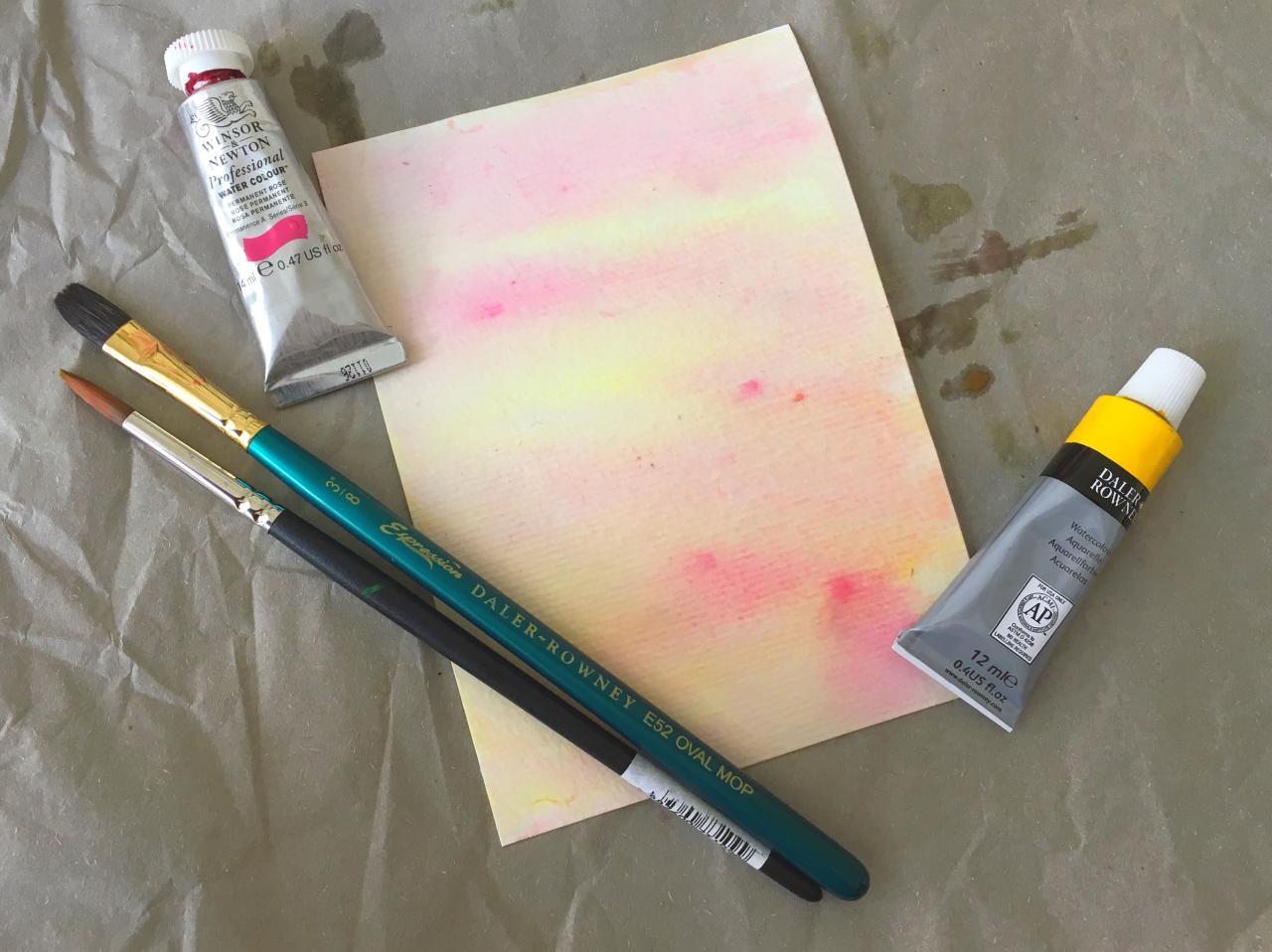
Creating a smooth, even watercolor wash is a foundational skill that unlocks a world of expressive possibilities in your artwork. It forms the base for many techniques, from skies and backgrounds to subtle tonal gradations. Mastering this technique requires a keen understanding of how water, pigment, and paper interact. By paying attention to a few key principles, you can consistently achieve beautiful, uninterrupted washes that enhance the overall impact of your paintings.The essence of a smooth wash lies in controlling the flow of water and pigment across the paper’s surface, ensuring an even distribution without the dreaded “puddles” or “streaks.” This balance is achieved through careful preparation and mindful application.
The Role of Water-to-Pigment Ratio in Wash Consistency
The ratio of water to pigment is arguably the most critical factor in achieving a smooth watercolor wash. Too much pigment will result in a thick, opaque application that dries unevenly and can look chalky. Conversely, too little pigment will lead to a pale, washed-out effect that lacks vibrancy. The ideal ratio creates a luminous, transparent color that flows gracefully.
A good starting point for a standard wash is approximately 1 part pigment to 5-10 parts water.
This ratio can be adjusted based on the desired intensity of the color and the specific properties of the pigment. Some pigments are naturally more staining and require less pigment, while others are more transparent and benefit from a slightly higher pigment concentration. Experimentation is key to understanding how each of your colors behaves.
The Impact of Paper Type and Absorbency on Wash Smoothness
The surface you paint on significantly influences how your wash behaves. Watercolor paper is specifically designed to absorb water and pigment, but its absorbency varies greatly depending on its composition and weight.Understanding paper types is crucial:
- Cold-press paper: This is the most common type, featuring a medium texture. It has a good balance of absorbency and allows for some manipulation, making it suitable for washes, though it can sometimes show brushstrokes if not handled carefully.
- Hot-press paper: This paper has a very smooth surface and absorbs water and pigment more slowly. It is excellent for fine detail but can be challenging for smooth washes as the water tends to spread more, and it dries faster, increasing the risk of hard edges.
- Rough paper: This paper has a pronounced texture, which can create interesting patterns in washes, but achieving a perfectly smooth, even application is more difficult. The texture can catch the pigment, leading to a broken color effect.
The weight of the paper also plays a role. Heavier papers (300gsm or more) are more robust and can handle more water without buckling, which is essential for larger washes. Lighter papers can warp easily, disrupting the even flow of the wash.
The Importance of Brush Selection for Wash Techniques
Your choice of brush directly impacts your ability to lay down a smooth, consistent wash. The brush needs to hold enough water and pigment and be able to spread it evenly across the paper.Key brush characteristics for washes include:
- Size: Larger washes require larger brushes. A large round brush, a flat brush, or a mop brush is ideal for covering significant areas quickly and evenly.
- Shape: Flat brushes are excellent for creating straight, even edges and covering large areas with uniform color. Round brushes, when used on their side or with a generous amount of paint, can also create good washes, but it’s easier to achieve uniformity with a flat brush. Mop brushes are designed to hold a large amount of liquid and are perfect for expansive, graded washes.
- Bristle Type: Synthetic bristles often hold less water than natural bristles (like squirrel or sable), but high-quality synthetics are engineered to mimic these properties. Natural hair brushes tend to be more absorbent and allow for a more fluid application, but they can also be more expensive.
A brush that can hold a good reservoir of diluted paint is essential. When laying down a wash, you want to load the brush sufficiently so that you can make long, continuous strokes without having to re-load too frequently, which can create lap marks.
Essential Materials and Preparation
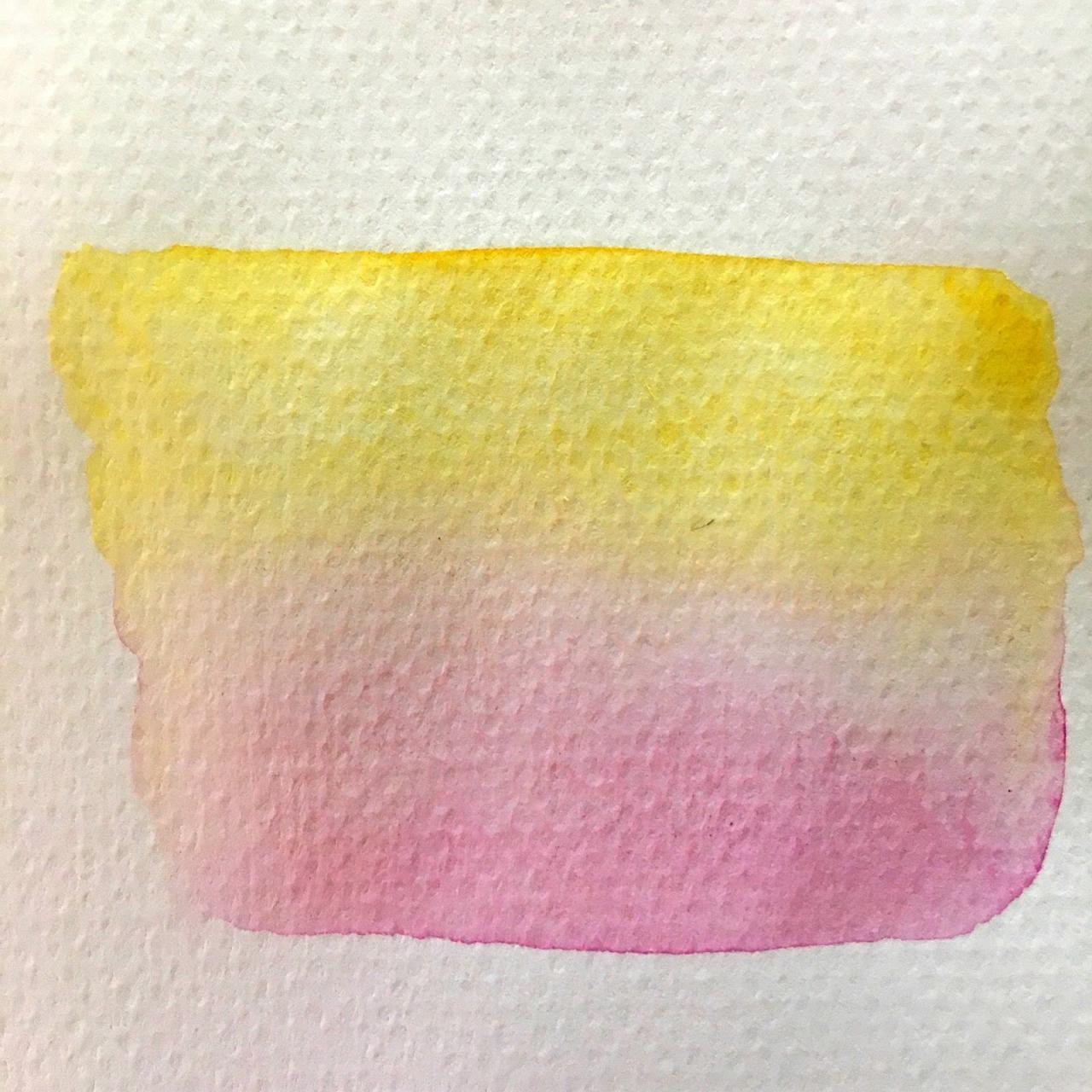
To achieve a smooth and even watercolor wash, selecting the right materials and preparing them properly is paramount. This foundational step ensures that your paint behaves as intended, allowing for seamless transitions and consistent color saturation across your paper. Neglecting this stage can lead to frustrating blotches, uneven drying, and a less professional-looking final piece.This section will guide you through the essential supplies, the critical process of paper preparation, and the nuances of choosing and mixing your watercolors, all designed to set you up for success in creating flawless washes.
Necessary Supplies for a Flawless Watercolor Wash
The right tools can make a significant difference in the outcome of your watercolor washes. Focusing on quality and suitability for the task will enhance your ability to control the paint and achieve the desired effect.
- Watercolor Paper: Opt for cold-press or hot-press watercolor paper with a weight of at least 140lb (300gsm). Heavier paper is less prone to buckling when wet. Cold-press paper has a textured surface, while hot-press is smoother, which can be preferable for very delicate washes.
- Watercolor Paints: High-quality tube or pan watercolors are recommended. Brands known for their pigment load and lightfastness will yield richer, more vibrant washes.
- Brushes: A large, soft-bristled brush, such as a round or mop brush, is ideal for applying broad washes. Synthetic or natural hair brushes (like squirrel or sable) can hold a good amount of water and pigment.
- Water Containers: Two containers are essential: one for rinsing your brush and one for clean water to mix with your paints.
- Palette: A ceramic or plastic palette with ample wells for mixing colors is necessary. A palette with a large mixing area is particularly useful for washes.
- Paper Towels or Sponge: These are used to control the amount of water on your brush and to lift excess paint or correct mistakes.
- Masking Tape or Artist’s Tape: Used for securing your paper to a board, especially if you are stretching it.
- Drawing Board or Rigid Surface: A sturdy board, such as Gatorboard or a piece of plywood, to tape your paper onto.
Paper Preparation for Washes
Preparing your paper is a crucial step, especially for larger washes, as it prevents buckling and helps maintain an even surface for the paint to flow. Paper stretching involves making the paper taut before you begin painting.
Paper stretching ensures a flat, stable surface, preventing the dreaded “buckling” that can ruin an otherwise perfect wash.
The process of stretching paper typically involves the following steps:
- Soaking the Paper: Submerge your watercolor paper in a bath of clean water for a few minutes until it is thoroughly saturated. This allows the paper fibers to expand evenly.
- Removing Excess Water: Gently blot the paper with a sponge or paper towel to remove surface water, but do not dry it completely.
- Attaching to a Board: Lay the damp paper flat on your drawing board. Secure the edges firmly with masking tape or artist’s tape, ensuring there are no gaps where water could seep underneath. Apply the tape smoothly and press down firmly.
- Drying: Allow the paper to dry completely. As it dries, the paper will shrink and become taut, creating a drum-like surface. This tension is what prevents buckling during the painting process.
For smaller washes or if you are less concerned about minor buckling, you may choose to skip stretching, but it is highly recommended for achieving truly flawless results.
Selecting and Mixing Watercolor Paints for Washes
The choice of watercolor paints and how you mix them directly impacts the appearance of your wash. Using artist-grade watercolors with good pigment concentration is key to achieving vibrant and consistent color.When preparing a wash, it’s important to mix enough paint to cover your entire area in one go, as re-mixing the exact same color can be challenging. Consider the following when selecting and mixing:
- Color Choice: Select colors that are transparent or semi-transparent for washes, as these allow light to reflect off the paper, giving your work luminosity. Opaque colors can create a more matte, less luminous effect.
- Pigment Concentration: For a strong wash, you’ll need a higher concentration of pigment. For a lighter wash, use more water. Experiment on scrap paper to find the desired consistency.
- Mixing: Add your pigment to your water, not the other way around. Start with a small amount of pigment and gradually add water until you achieve the desired color intensity. Stir thoroughly to ensure all pigment particles are dispersed.
- Consistency: A good wash consistency is often described as “milky” or “diluted cream.” It should flow smoothly from your brush without being too watery (which can cause blooms) or too thick (which can be difficult to spread evenly).
Water Reservoir and Palette Function
Your water reservoir and palette are critical components in maintaining the correct consistency and color of your wash throughout the painting process. They are your central hub for managing paint and water.The palette serves as your mixing station, while the water reservoir ensures you have a constant supply of clean water.
- Palette: A ceramic palette is often preferred for washes because its non-porous surface makes it easy to clean and prevents colors from staining. Plastic palettes are also suitable, but some pigments can stain them over time. The mixing wells should be large enough to accommodate the volume of paint needed for your wash.
- Water Reservoir: Having two water containers is highly recommended. One is for rinsing your brush to remove excess pigment between color mixes or to clean it before picking up a new color. The second container holds clean water to dilute your paints and achieve the desired wash consistency. Keeping your rinsing water separate from your clean water is crucial to avoid muddying your colors.
The water reservoir’s role is not just to hold water, but to provide a controlled environment for diluting your pigments to the precise consistency required for a smooth, even application.
Step-by-Step Techniques for Creating Even Washes

Achieving a smooth, even watercolor wash is a foundational skill that unlocks a world of expressive possibilities. It forms the base for many watercolor techniques, providing a consistent tone and depth to your artwork. Mastering these techniques requires practice and an understanding of how water and pigment interact on paper. This section will guide you through the essential methods for creating these beautiful, unbroken expanses of color.We will explore several key techniques, each offering a unique way to control and apply watercolor.
From the simple elegance of a flat wash to the subtle transitions of a graded wash, and the fluid blending of wet-on-wet to the precise control of wet-on-dry, understanding these methods will significantly enhance your watercolor practice. We will also delve into the creation of variegated washes, a delightful way to introduce multiple hues seamlessly.
The Flat Wash Technique
The flat wash is the most fundamental technique for creating an even, consistent layer of color across an area. It’s essential for backgrounds, skies, and any large surface where uniform color is desired. The key is to maintain a consistent flow of paint and water, ensuring no puddles or dry spots interrupt the surface.To execute a flat wash, begin by tilting your paper slightly, usually away from you, to encourage the paint to flow downwards.
Load your brush with a generous amount of diluted pigment, ensuring it’s not too watery or too thick. Start at the top of your designated area and lay down a horizontal stroke. Immediately reload your brush with the same color mixture and lay down the next stroke, slightly overlapping the previous one. The goal is to create a bead of paint at the bottom of each stroke that you then pick up with the next stroke, moving it down the paper.
Continue this process, working your way down the paper, maintaining a consistent angle and pressure. As you approach the bottom, you will create a final bead of paint that you can then carefully lift off with a damp brush or absorbent paper to avoid a hard edge.
The Graded Wash Technique
A graded wash, also known as a gradient wash, involves a smooth transition of color from dark to light, or from one color to another. This technique is perfect for depicting skies, shadows, or any element that requires a subtle shift in tone or hue. It builds upon the principles of the flat wash but introduces a controlled dilution of the pigment as you work.The process begins with a concentrated mixture of your chosen color at the top of the area you wish to paint.
Lay down the first stroke. For the subsequent strokes, gradually add more water to your pigment mixture with each pass, or simply pick up more clean water with your brush as you move down the paper. This progressively dilutes the color, creating the desired gradient effect. Ensure each stroke slightly overlaps the previous one to maintain a smooth transition and avoid hard lines.
The final stroke at the bottom should be the lightest, often almost clear water, to complete the fade.
The Wet-on-Wet Technique
The wet-on-wet technique involves applying wet paint onto paper that is already wet with clean water or a previous wash of color. This method is celebrated for its ability to produce soft, diffused edges and beautiful, organic color blending. It’s ideal for creating atmospheric effects, soft clouds, or flowing water.To perform a wet-on-wet wash, first wet the area of your paper where you want the color to spread.
You can use clean water applied with a large brush, ensuring the paper has a sheen but no standing puddles. Then, load your brush with your desired watercolor mixture and gently touch it to the wet paper. The color will immediately begin to bloom and spread outwards. You can introduce a second color into the same wet area, and the two colors will mingle softly.
Be mindful that the amount of water on the paper and in your brush will dictate how much the colors spread and blend. Less water will result in more control, while more water will lead to more diffusion.
The Wet-on-Dry Technique
In contrast to wet-on-wet, the wet-on-dry technique involves applying wet paint onto dry paper or a dry layer of previous paint. This method offers much greater control over the application of color and the sharpness of edges. It is crucial for detailed work, creating defined shapes, and building up layers of color with precision.When employing the wet-on-dry technique, load your brush with your watercolor mixture.
Apply it directly to the dry surface. The paint will stay where you place it, allowing for sharp lines and distinct areas of color. This is the technique you would use for painting the edges of buildings, individual leaves on a tree, or any element that requires a crisp Artikel. Multiple layers can be built up using this method, as each layer dries independently, allowing you to add depth and detail without the colors bleeding into each other.
Creating a Variegated Wash
A variegated wash is a beautiful technique that incorporates multiple colors into a single wash, allowing them to blend and transition seamlessly. This is perfect for creating the rich, varied tones found in sunsets, iridescent surfaces, or floral petals. It combines elements of both flat and graded washes, with the added complexity of multiple pigments.Here are the steps to create a variegated wash:
- Prepare your paper: Lightly dampen the area where you will apply the wash. The paper should be moist but not puddled.
- Choose your colors: Select two or more colors that complement each other. Consider how they will interact when blended.
- Apply the first color: Load your brush with your first color and apply it to the paper as you would in a flat wash, working in sections.
- Introduce the second color: Before the first color dries, rinse your brush slightly (or use a separate brush) and load it with your second color. Apply this color adjacent to the first, allowing it to touch and begin to blend.
- Continue blending: Add subsequent colors in a similar fashion, allowing them to interact and flow into one another. Work relatively quickly to keep the paper damp enough for blending.
- Manage the edges: As you work down the paper, you may need to lift excess water or pigment with a clean, damp brush to maintain control and prevent unwanted blooms.
- Final touches: Once all colors are applied, you can gently tilt the paper to encourage further blending or use a clean brush to soften any hard edges if desired.
Common Challenges and Solutions in Watercolor Washes
Even with the best preparation and technique, creating a perfectly smooth watercolor wash can present some common hurdles. Understanding these potential issues and knowing how to address them is crucial for achieving professional-looking results. This section will guide you through identifying and resolving the most frequent problems encountered during the wash-making process.Developing a consistent, even wash requires practice and an awareness of how water and pigment interact on paper.
By learning to anticipate and manage these challenges, you can significantly improve your ability to create luminous and controlled washes.
Hard Edges and Streaks
Hard edges, often referred to as “tide marks,” appear when the water and pigment dry unevenly, leaving a distinct line where the wash stopped. Streaks can occur due to uneven pigment distribution or brush strokes that are too distinct.To correct hard edges and streaks, several approaches can be employed while the wash is still damp or even after it has dried.
- Lifting with a Clean Brush: While the wash is still wet, use a clean, damp (not wet) brush to gently lift the pigment along the edge. Work in the direction of the intended wash to blend the edge.
- Softening Dried Edges: If the wash has dried with hard edges, you can re-wet the area very carefully with a clean, damp brush. Immediately after re-wetting, use a dry, absorbent brush (like a mop brush or a clean paper towel) to gently lift the excess water and pigment, softening the edge. This requires a light touch to avoid disturbing the paper’s surface.
- Feathering: For streaks, a clean, damp brush can be used to feather the edges of the streak, blending the pigment more evenly into the surrounding wash.
Puddling or Pooling of Water
Puddling occurs when too much water is applied to the paper, causing it to gather in areas and create concentrated pools of pigment. This can lead to uneven color and a lack of control.Preventing and managing puddling is key to maintaining an even application of color.
- Control Water Application: The most effective way to avoid puddling is to be mindful of the amount of water on your brush and on the paper. Start with a slightly less wet brush and add water gradually as needed.
- Tilt the Paper: If you notice water starting to pool, gently tilt the paper in the direction opposite to the pool. This will encourage the water to flow away from the concentrated area. You can then use a clean, dry brush or a paper towel to absorb the excess water that has flowed to the edge.
- Work on a Flat Surface: Ensure your paper is perfectly flat and level. Any incline can encourage water to run and pool in specific areas.
Re-wetting Areas Without Disturbing the Existing Wash
Re-wetting a dried or partially dried wash can be a delicate operation. The goal is to reactivate the pigment without lifting too much color or creating new, unwanted edges.Successful re-wetting relies on precision and the right tools.
- Use Minimal Water: Always use a clean, damp brush with just enough water to reactivate the pigment. A very wet brush will likely lift too much color.
- Gentle Application: Apply the water with a light touch, dabbing or gently brushing over the area you wish to re-wet. Avoid scrubbing, as this can dislodge the pigment.
- Work Quickly: Once re-wet, work quickly to blend the color or add new pigment before it dries again.
- Controlled Lifting: If you need to lift color after re-wetting, use a clean, dry absorbent brush or a slightly damp brush to gently lift the pigment.
Muddy or Uneven Color Saturation
Muddy colors or uneven saturation can result from using too much pigment, overworking the wash, or using dirty water. Achieving vibrant and consistent color requires careful pigment mixing and clean application.Troubleshooting these issues involves revisiting your pigment preparation and application techniques.
- Use Clean Water: Always use clean water for mixing your paints and for rinsing your brush. Dirty water is a primary cause of muddy colors. Change your water frequently, especially when working with multiple colors or large washes.
- Proper Pigment-to-Water Ratio: Experiment to find the right balance of pigment and water for your desired saturation. Too much pigment can lead to a chalky or muddy appearance, while too little may result in a weak wash.
- Avoid Overworking: Once the pigment and water are evenly distributed, avoid excessive brushing. Overworking a wash can break down the pigment particles and cause them to settle unevenly, leading to a muddy effect.
- Allow Drying Between Layers: If you are building up color intensity, ensure each layer is completely dry before applying the next. This prevents the colors from mixing prematurely and becoming muddy.
- Test Your Colors: Before applying a wash to your main artwork, test the color saturation on a scrap piece of the same watercolor paper. This allows you to adjust the pigment and water ratio as needed.
Advanced Tips for Mastering Watercolor Washes
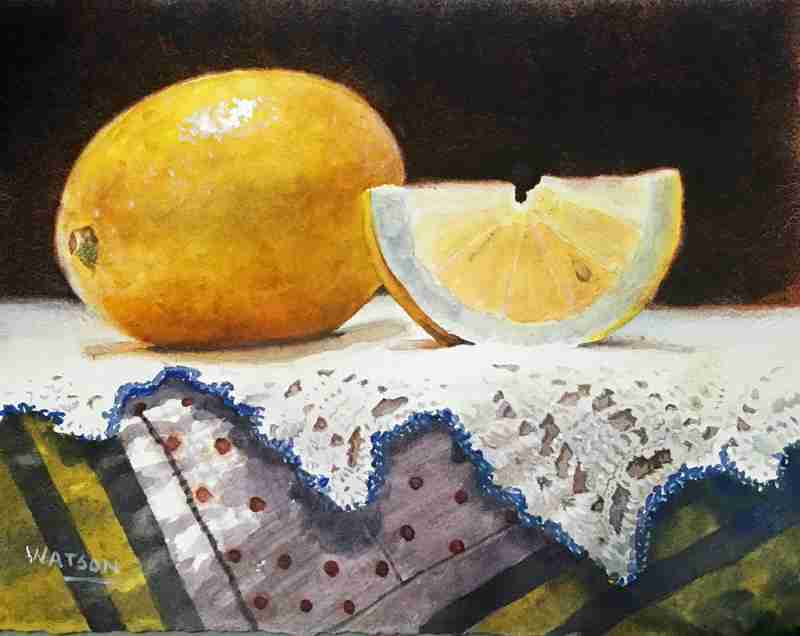
Once you’ve grasped the fundamental techniques for creating smooth, even watercolor washes, it’s time to explore more sophisticated methods that will elevate your artwork. These advanced tips focus on building complexity, achieving nuanced effects, and capturing the essence of light and texture. By incorporating these strategies, you can transform your washes from simple applications of color into dynamic and expressive elements of your paintings.
Layering Transparent Washes for Depth
Building depth in watercolor is often achieved through the judicious layering of transparent washes. This technique allows light to pass through successive layers of color, reflecting off the white of the paper and creating a luminous quality. Each subsequent layer subtly modifies the color beneath it, leading to rich, complex hues that are difficult to achieve with a single application.To effectively layer washes, it is crucial to allow each layer to dry completely before applying the next.
This prevents the colors from mixing unintentionally and preserves the crispness of each application. Start with lighter, more diluted washes and gradually build up darker and more saturated tones. This approach ensures that the underlying colors remain visible, contributing to the overall sense of depth.
Incorporating Subtle Variations in Tone within a Wash
Achieving subtle variations in tone within a single wash is key to creating a sense of natural form and avoiding a flat, monotonous appearance. This can be accomplished by manipulating the water-to-pigment ratio and the flow of the paint as the wash is being applied.One effective method is the “wet-into-wet” technique, where a damp brush carrying a slightly more concentrated color is introduced into a still-wet wash.
The pigment will naturally bloom and blend, creating soft transitions. Another approach involves tilting the paper as the wash dries, allowing gravity to pull the pigment and water into subtle gradients.
Methods for Creating Textured Washes
Texture can add significant visual interest and tactile quality to watercolor washes. Various tools and techniques can be employed to break the uniformity of a standard wash and introduce interesting surface effects.
- Salt Application: Sprinkle dry salt onto a still-wet wash. As the salt absorbs water, it will create starburst or crystalline patterns as it dries. Different types of salt (fine, coarse, kosher) produce varied textures.
- Plastic Wrap Technique: Lay a piece of scrunched-up plastic wrap onto a wet wash. The trapped moisture and uneven surface will create interesting, organic patterns as it dries.
- Sponge or Cloth Dabbing: Gently dab a damp sponge or crumpled cloth into a wet wash to lift pigment and create broken, irregular textures reminiscent of foliage or weathered surfaces.
- Masking Fluid: Apply masking fluid in specific patterns or shapes before applying a wash. Once the wash is dry, the masking fluid can be removed, revealing the white of the paper or a previously applied layer.
Application of Washes for Depicting Specific Light Conditions
Watercolor washes are exceptionally well-suited for capturing the nuances of light. The transparency of the medium allows for the creation of luminous effects that mimic how light interacts with surfaces.When depicting bright sunlight, use highly diluted washes with a strong emphasis on leaving areas of the paper untouched to represent highlights. For softer, diffused light, employ more blended washes with subtle tonal shifts.
To represent shadows, build up layers of cooler, darker tones, ensuring that the transparency is maintained to avoid a muddy appearance. Consider the direction of the light and how it would affect the color temperature and intensity of the surfaces being painted.
Achieving Luminous and Vibrant Washes
Luminosity and vibrancy in watercolor washes are achieved through a combination of pigment choice, water control, and understanding how color interacts with light.
- High-Quality Pigments: Utilize artist-grade watercolors, which contain a higher concentration of finely ground pigment, resulting in more intense and vibrant colors.
- Clean Water and Brushes: Always use clean water and brushes to prevent muddying of colors. Rinse thoroughly between colors.
- Layering Thin Washes: As mentioned earlier, layering thin, transparent washes allows light to reflect off the paper, enhancing the inherent luminosity of the pigments.
- Color Harmony: Understanding color theory and how colors interact is crucial. Complementary colors placed next to each other can create a sense of vibrancy, while analogous colors can create a harmonious glow.
- Preserving Whites: The white of the paper is an integral part of watercolor. Carefully mask or leave areas of the paper unpainted to represent the brightest highlights, which will make the surrounding colors appear more vibrant.
Visualizing Successful Watercolor Washes
Understanding what a successful watercolor wash looks like is crucial for developing your skills. It’s not just about applying color; it’s about achieving a specific visual quality that enhances your artwork. By recognizing these characteristics, you can better evaluate your own work and learn from others. This section will guide you through the visual cues that indicate a well-executed wash, from the most basic to more complex applications.
Characteristics of a Perfectly Smooth and Even Watercolor Wash
A perfectly smooth and even watercolor wash is the foundation of many watercolor techniques. Its success lies in its uniformity and the absence of unwanted marks or blooms. When you achieve this, the color appears as a consistent tone across the entire area, without any streaking, pooling, or hard edges where they are not intended.The visual characteristics of a perfectly smooth and even watercolor wash include:
- Uniformity of color: The pigment is distributed evenly, creating a consistent hue and saturation throughout the wash area.
- Absence of streaks or lines: There are no visible brushstrokes or lines left by the movement of the brush.
- No pooling or backruns: The water and pigment have not settled into puddles or created unintentional hard edges due to drying unevenly.
- Soft, diffused edges: If the wash is intended to be soft, the edges blend seamlessly into the surrounding paper or a previous wash.
- A luminous quality: The paper’s white shines through the transparent pigment, giving the color a vibrant and luminous appearance.
Appearance of a Well-Executed Graded Wash
A graded wash, also known as a gradient wash, transitions from a darker tone to a lighter tone, or from one color to another, seamlessly. The beauty of a well-executed graded wash lies in the smooth and controlled progression of this change.The appearance of a well-executed graded wash is characterized by:
- A smooth transition: The change in tone or color is gradual and imperceptible, without any distinct steps or abrupt shifts.
- Consistent darkening or lightening: As the wash moves from dark to light, the decrease in saturation or pigment concentration is steady and predictable.
- Controlled edges: The edges of the graded wash remain clean and defined, especially at the lighter end of the spectrum, unless a soft edge is specifically desired.
- No banding: The transition does not exhibit any visible “bands” of color where the pigment concentration is momentarily higher or lower than it should be.
A classic example is a sky transitioning from a deep blue at the top to a pale blue or white at the horizon. In a successful graded wash, this transition would be so smooth that you would struggle to pinpoint exactly where one shade ends and the next begins.
Recognizing the Soft Diffusion of Color in a Wet-on-Wet Wash
The wet-on-wet technique is renowned for its soft, organic, and often unpredictable results. When executed successfully, a wet-on-wet wash allows colors to mingle and diffuse into each other in a beautiful, organic manner.Recognizing the soft diffusion of color in a wet-on-wet wash involves observing:
- Soft, feathered edges: Colors spread outwards into the wet paper, creating a delicate, hazy effect with no sharp boundaries.
- Organic shapes: The pigments create natural, flowing shapes as they move and blend on the damp surface.
- Subtle color mixing: Colors bleed into one another, creating beautiful, unplanned secondary and tertiary hues where they meet.
- Luminous glow: The diffusion often results in a soft, glowing appearance, as if the color is emanating from within the paper.
Imagine painting a cloud on a damp sky. The color of the cloud would bleed softly into the surrounding blue, creating a gentle, ethereal edge, characteristic of a successful wet-on-wet application.
Distinct Lines and Control Seen in a Wet-on-Dry Wash
In contrast to wet-on-wet, the wet-on-dry technique offers a greater degree of control and precision. This method is ideal for creating sharp edges, defined shapes, and controlled washes where the pigment is applied to dry paper.The distinct lines and control seen in a wet-on-dry wash are evident through:
- Sharp, defined edges: The pigment stops precisely where the brush lifts, creating clean, crisp boundaries.
- Predictable placement: The artist has full control over where the color is applied and how it behaves.
- Controlled layering: This technique allows for the building up of multiple layers of transparent color without disturbing the previous ones.
- Uniform application within defined areas: The wash remains contained within the dry boundaries of the paper or previous dry layers.
A common application is painting the sharp edges of architectural elements or the distinct Artikels of leaves. The clarity and precision of these lines are hallmarks of a well-executed wet-on-dry wash.
Descriptive Examples of Washes that Effectively Convey Form and Light
Watercolor washes are not merely about applying color; they are powerful tools for describing form and suggesting light. The way a wash is applied can dramatically influence how a viewer perceives the three-dimensionality of an object and the direction of light.Consider these examples:
- Conveying Form: To depict a spherical object, an artist might use a graded wash that transitions from a darker tone on one side (representing shadow) to a lighter tone on the opposite side (representing the highlight). The subtle shift in value suggests the curve of the sphere, giving it a sense of roundness. A perfectly executed graded wash here would make the sphere appear to bulge from the page.
- Indicating Light Source: A strong light source can be visualized by the presence of bright highlights and deep shadows. A wash with a very pale, almost white area on one side of an object, transitioning to a mid-tone and then a deep shadow on the other, clearly communicates the direction and intensity of the light. The crisp edge of a highlight on a wet-on-dry wash can powerfully suggest a direct light source.
- Suggesting Texture: While not a wash itself, the way washes are layered or manipulated can imply texture. For instance, a series of dry brush strokes over a smooth wash can suggest the rough bark of a tree, while a soft, diffused wet-on-wet application might depict the soft texture of a petal.
- Atmospheric Perspective: In landscapes, washes can convey depth through atmospheric perspective. Distant objects might be rendered with lighter, cooler, and more diffused washes, while foreground objects are depicted with darker, warmer, and more detailed washes. This creates a sense of receding space and atmosphere.
The successful use of washes to describe form and light is about thoughtful application, understanding how tone and value interact, and using the unique properties of watercolor to create illusions on paper.
Concluding Remarks
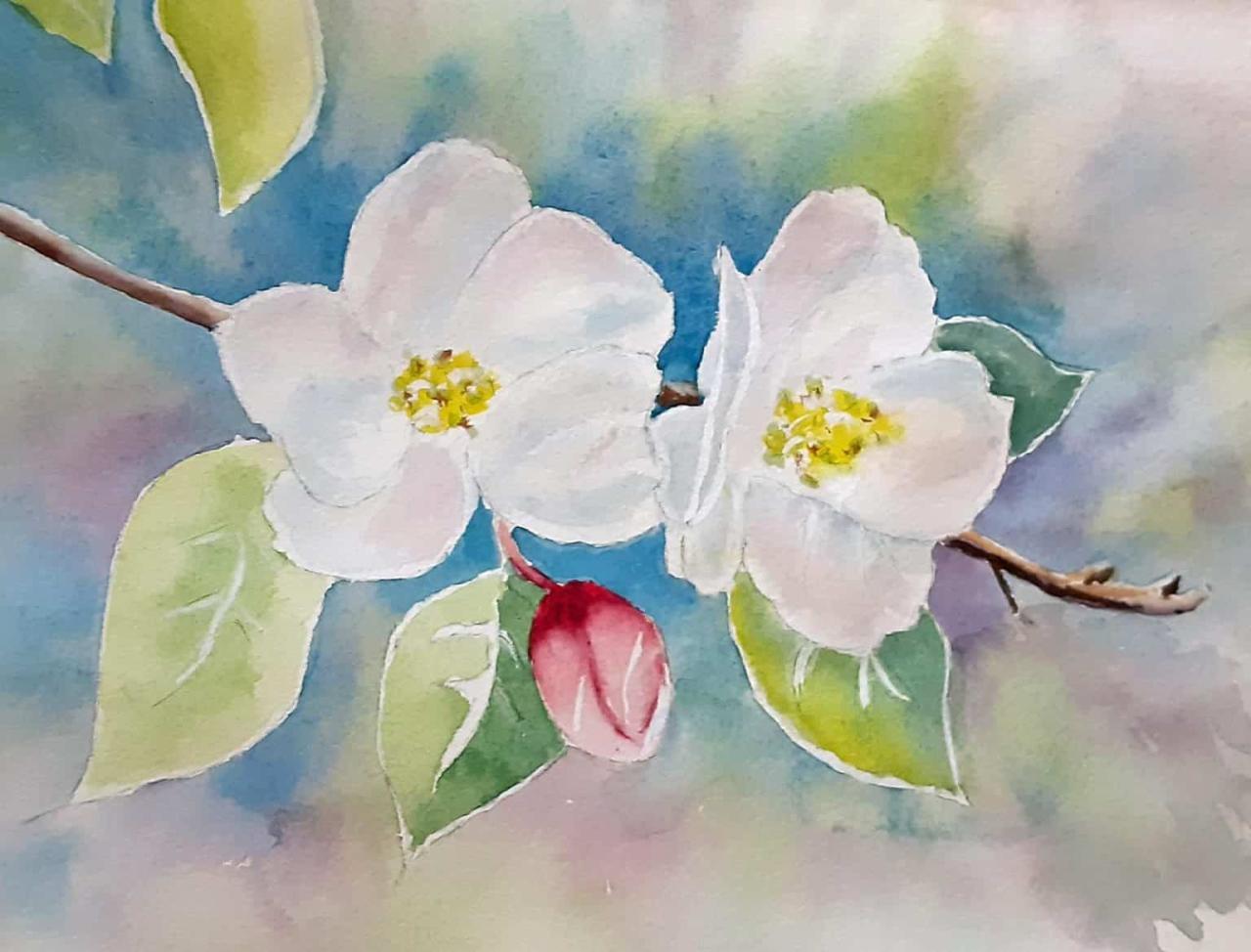
As we conclude our exploration into How to Create a Smooth, Even Watercolor Wash, it’s evident that achieving this artistic goal is a rewarding blend of understanding foundational principles and diligent practice. By mastering the interplay of water, pigment, paper, and brush, and by learning to navigate common challenges, you unlock the potential for truly luminous and controlled watercolor applications.
May your artistic journey be filled with vibrant hues and flawlessly executed washes, bringing depth and life to your creations.