Embarking on the journey of capturing a breathtaking sunset with watercolors is a rewarding endeavor. This guide is meticulously crafted to illuminate the path, offering a comprehensive exploration of techniques and principles that will transform your artistic vision into a vibrant reality.
We will delve into the essential elements that define a dramatic sunset, from the strategic selection of color palettes that evoke emotion to understanding the atmospheric effects that lend depth and grandeur. Furthermore, we will explore the fundamental watercolor techniques, planning and composition strategies, masterful color transitions, and the art of adding those crucial finishing touches that make a painting truly sing.
Understanding the Core Elements of a Dramatic Watercolor Sunset
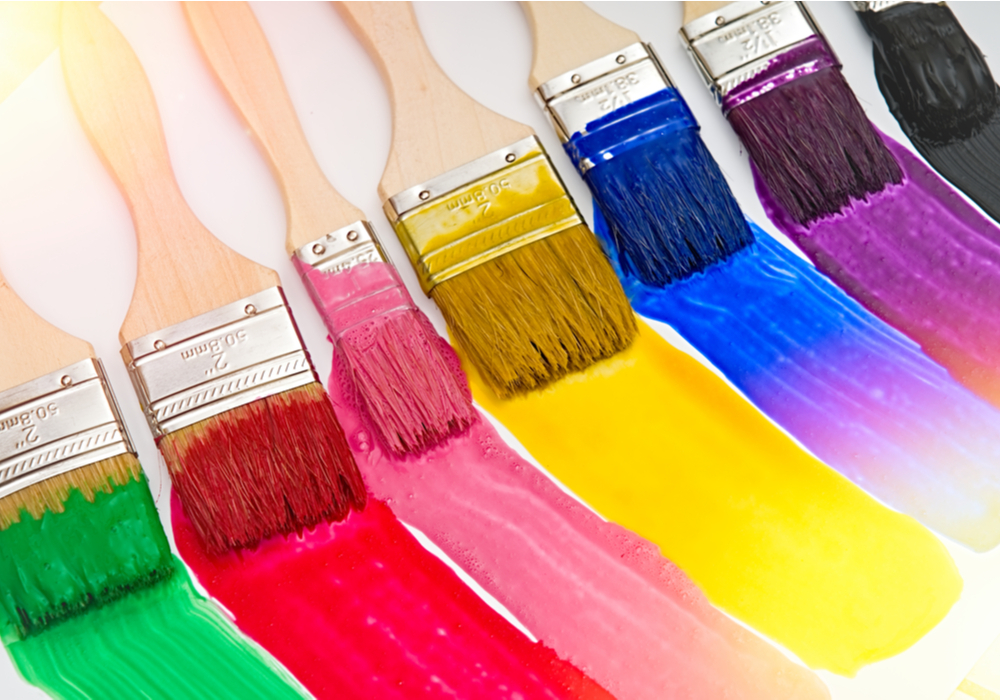
A truly dramatic watercolor sunset is a symphony of color, light, and atmosphere. It’s about capturing that fleeting moment when the sky ignites with an intensity that stirs the soul. To achieve this, we must first understand the fundamental building blocks that contribute to such a breathtaking spectacle. This involves a careful consideration of the color palette, the atmospheric conditions, the behavior of light, and the emotional resonance of these elements.To paint a compelling sunset, an artist must grasp the interplay of these core components.
It’s not merely about replicating what the eye sees, but about interpreting the feeling and energy of the scene. By dissecting these elements, we can begin to translate their power onto our watercolor paper, creating a piece that is not just visually striking, but emotionally engaging.
Essential Color Palettes for Dramatic Sunsets
The selection of colors is paramount in evoking drama. A dramatic sunset is characterized by intense, saturated hues that contrast and blend to create a sense of awe. The key is to move beyond muted tones and embrace the vibrant end of the spectrum.A typical dramatic watercolor sunset palette will include:
- Fiery Reds and Oranges: These are the stars of the show, representing the direct intensity of the setting sun. Think cadmium red, cadmium orange, and pyrrole orange.
- Deep Purples and Magentas: These colors add depth and mystery, often appearing in the upper atmosphere or as shadows lengthen. Alizarin crimson, dioxazine purple, and permanent violet are excellent choices.
- Vibrant Yellows: Used to highlight the brightest parts of the sun and its immediate surroundings, creating a luminous glow. Cadmium yellow, lemon yellow, and Indian yellow are highly effective.
- Cool Blues and Greens (for contrast): While warmth dominates, strategic use of cooler tones, such as cerulean blue or viridian, can make the warm colors appear even more intense by providing a visual contrast, especially in the receding sky or distant landscapes.
The magic happens when these colors are layered and blended, allowing them to bleed into one another, mimicking the organic diffusion of light and pigment in the sky.
Atmospheric Effects in Dramatic Sunsets
The atmosphere plays a crucial role in transforming a simple sky into a dramatic canvas. It’s the medium through which light is scattered and colored, creating the breathtaking gradients and variations we associate with a powerful sunset. Understanding these effects allows us to replicate their visual impact in watercolor.Key atmospheric phenomena that contribute to a dramatic sunset include:
- Light Scattering (Rayleigh Scattering): This is the primary reason the sky appears colored. As sunlight passes through the atmosphere, shorter blue wavelengths are scattered more than longer red wavelengths. At sunset, the light travels through more atmosphere, scattering away most of the blue and leaving the reds, oranges, and yellows to dominate.
- Clouds: Clouds act as a canvas for the sunset colors. Their form and texture dictate how the light interacts with them. Undersides of clouds facing the sun will glow with intense oranges and reds, while tops and shadowed areas will take on deeper purples and blues. Wispy cirrus clouds can catch the light in delicate streaks, while dramatic cumulonimbus clouds can be illuminated from below with fiery intensity.
- Haze and Dust Particles: Increased particles in the atmosphere, from dust or pollution, can enhance the saturation and diffusion of colors, leading to more dramatic and softened gradients. This can create a richer, more diffused glow.
In watercolor, these effects are achieved through techniques like wet-on-wet washes, layering transparent glazes, and controlling the flow of pigment to mimic the way light diffuses through the air.
Key Light Sources and Their Behavior
In a dramatic sunset, the sun itself is the primary light source, but its behavior and influence extend far beyond its direct rays. Its position, intensity, and the way it interacts with the surrounding environment dictate the entire lighting scheme of the scene.The behavior of light in a dramatic sunset scene can be understood through:
- The Setting Sun: As the sun dips below the horizon, its direct light becomes more diffused and warmer. The intensity of the light source is at its peak just before it disappears, casting long shadows and illuminating the sky with its most vibrant colors.
- Reflected Light: The intense colors of the sunset don’t just stay in the sky. They reflect onto surfaces below, such as water, land, and clouds. This reflected light is crucial for grounding the scene and adding realism and depth. For instance, a body of water will mirror the fiery hues of the sky, creating a dazzling effect.
- Shadows: The low angle of the sun casts long, dramatic shadows. These shadows are not simply black but are often tinged with the cooler colors of the ambient light, such as blues and purples, providing a strong contrast to the illuminated areas.
When painting, capturing the intensity of the light source and its subsequent reflections and shadows is key to creating a sense of drama and three-dimensionality.
Emotional Impact of Color Combinations
The colors we choose for a sunset are not merely visual; they carry significant emotional weight. Certain color combinations have a profound psychological impact, evoking feelings of warmth, peace, passion, or even melancholy. Understanding this emotional language is vital for creating a truly impactful watercolor.The emotional resonance of different sunset color combinations can be observed as follows:
- Warm Reds, Oranges, and Yellows: These colors are universally associated with passion, energy, warmth, and excitement. A sky dominated by these hues can evoke feelings of joy, optimism, and a sense of vibrant life. They are often perceived as powerful and invigorating.
- Deep Purples and Pinks: These colors can evoke a sense of romance, tranquility, and introspection. They can also carry a hint of mystery or melancholy, adding a layer of complexity to the emotional experience of viewing the sunset.
- Contrasting Cool and Warm Tones: The juxtaposition of fiery warm colors against cool blues and purples creates visual tension and enhances the perceived intensity of both. This contrast can evoke feelings of awe, wonder, and a sense of the sublime, highlighting the vastness and power of nature.
- Subtle Gradients: Even subtle shifts in color can create a sense of peace and serenity, suggesting a gentle transition into evening. However, when these subtle shifts are paired with intense, saturated colors, they can amplify the overall dramatic effect, suggesting a powerful yet graceful finale to the day.
By carefully selecting and layering colors, an artist can guide the viewer’s emotional response, transforming a simple depiction of a sunset into an experience that resonates deeply.
Essential Watercolor Techniques for Dramatic Sunsets

To truly capture the breathtaking beauty of a dramatic watercolor sunset, mastering specific techniques is paramount. These methods allow you to translate the ephemeral glow and vibrant hues of the sky onto your paper with both skill and artistic flair. We will explore how to manipulate water and pigment to achieve soft transitions, rich depths, and striking highlights.
Wet-on-Wet Technique for Soft, Blended Skies
The wet-on-wet technique is fundamental for creating the seamless, atmospheric blends characteristic of sunset skies. This method involves applying wet watercolor paint onto a wet paper surface, allowing the colors to mingle and diffuse organically. The degree of wetness on both the paper and the brush will influence the spread and intensity of the colors.To achieve soft, luminous transitions, begin by wetting your watercolor paper evenly with clean water using a large, soft brush.
Avoid puddles, but ensure the entire area you intend to paint is uniformly damp. Then, load your brush with pigment, diluting it with water to your desired transparency. Gently touch the brush to the wet paper; the color will bloom outwards, creating soft edges and natural gradients. Experiment with different color combinations, allowing them to bleed into one another. For instance, starting with a warm yellow at the horizon and gradually introducing oranges and reds as you move upwards, then transitioning to purples and blues at the zenith, will mimic the natural progression of sunset colors.
The key is to work quickly while the paper is still wet, before the paint dries and creates hard lines.
Dry Brush Technique for Texture and Highlights
While wet-on-wet excels at soft blends, the dry brush technique is invaluable for introducing texture and defining sharp highlights, such as the glint of sunlight on water or the edges of clouds. This technique involves using a brush with very little water and pigment, often on dry paper, to create broken, scratchy marks.To implement the dry brush technique, ensure your brush is only slightly damp and loaded with a small amount of concentrated pigment.
When you drag the brush across the paper, the pigment will adhere only to the raised fibers of the paper, leaving gaps and creating a textured appearance. This is particularly effective for depicting the choppy surface of water reflecting the sunset, where individual strokes can represent the light catching the waves. It can also be used to create the wispy edges of distant clouds or to add sharp, bright highlights to areas where the sun’s rays are most intense.
Practice varying the pressure and direction of your strokes to control the density and character of the texture.
Layering and Glazing Techniques for Building Color Depth
Building depth and richness in your watercolor sunset is achieved through meticulous layering and glazing. Glazing involves applying thin, transparent washes of color over already dried layers of paint. This technique allows underlying colors to show through, creating luminous and complex hues that would be difficult to achieve with a single application.The process begins with establishing a base layer of color, allowing it to dry completely.
For example, a light wash of yellow might form the initial glow of the sun. Once dry, subsequent glazes of oranges, reds, or even subtle blues can be applied over this base. Each transparent layer subtly alters the hue and intensity of the colors beneath it, leading to a sophisticated and multi-dimensional effect. It is crucial that each layer dries thoroughly before applying the next to prevent the colors from becoming muddy or bleeding unintentionally.
This iterative process allows for gradual refinement of color, creating the illusion of light passing through atmospheric particles.
Methods for Controlling Water and Pigment Flow for Precise Effects
Precise control over water and pigment flow is essential for achieving specific effects, from sharp edges to delicate washes. Understanding how these elements interact with the paper and with each other allows for greater artistic intention.The ratio of water to pigment is the primary factor influencing color intensity and flow. A higher water-to-pigment ratio results in lighter, more transparent washes with a tendency to spread more freely.
Conversely, a lower water-to-pigment ratio yields richer, more opaque colors that will flow less and allow for more controlled application.The type of brush also plays a significant role. Larger, softer brushes are ideal for broad washes and wet-on-wet techniques, while smaller, stiffer brushes offer more control for details and dry brush work.The absorbency of the watercolor paper itself is another critical element.
Cold-press paper has a rougher texture that holds more water and pigment, creating interesting textures with dry brush. Hot-press paper is smoother, allowing for finer details and less spreading.To achieve precise effects:
- For sharp edges: Ensure the paper is dry and use a brush with less water and more concentrated pigment. Apply paint with deliberate strokes.
- For soft gradients: Employ the wet-on-wet technique as described earlier, working with a damp paper and well-diluted paints.
- For controlled lifting: Use a clean, damp brush or a sponge to gently lift pigment from the paper while it is still wet or damp.
- For creating texture: Utilize the dry brush technique with minimal water and pigment, or experiment with splattering techniques using a toothbrush or stiff brush.
Procedure for Lifting Color to Create Bright Areas
Lifting color is a vital technique in watercolor for creating highlights and bright areas, effectively “painting with an eraser.” This process involves removing pigment from the paper after it has been applied, either while it is still wet or after it has dried.The most common method for lifting color is by using a clean, damp brush.
- Wet Lifting: While the paint is still wet on the paper, rinse your brush thoroughly with clean water and gently dab or stroke the area where you want to create a highlight. The water will re-activate the pigment, allowing it to be absorbed by the damp brush. Blot the brush on a paper towel frequently to remove the lifted pigment. This technique is excellent for softening edges or creating subtle glows.
- Damp Lifting: Once the paint has dried to a damp stage, you can use a clean, barely damp brush to lift pigment. This method provides more control than wet lifting and is suitable for creating sharper highlights or refining shapes. The pigment will not lift as readily as when wet, so you may need to work gently.
- Dry Lifting: For dried paint, you can use a stiff, clean brush or a crumpled paper towel. Gently scrub the dried pigment. This method is best for creating textured highlights or removing excess pigment that has settled into the paper’s grain. Be cautious not to overwork the paper, which can damage its surface.
- Using Sponges and Erasers: A damp sponge can be used to lift larger areas of color, while a kneaded eraser can lift pigment from dry areas by dabbing it onto the surface. A kneaded eraser absorbs pigment without damaging the paper’s surface, making it ideal for precise highlight work.
When lifting color to represent the sun’s brilliance or the bright reflection on water, focus on the areas where light would be most intense. These techniques, when practiced diligently, will empower you to create truly dynamic and captivating watercolor sunsets.
Planning and Composition for a Striking Sunset Painting

Creating a dramatic watercolor sunset involves more than just applying vibrant colors. A well-thought-out plan and intentional composition are crucial for transforming a beautiful sky into a truly captivating piece of art. This section will guide you through the essential steps to design a powerful composition that amplifies the inherent drama of a sunset.
Mastering Color Transitions and Blending
Achieving a dramatic watercolor sunset hinges on the skillful manipulation of color. The sky is a dynamic canvas where hues shift and meld, creating a breathtaking spectacle. Mastering transitions and blending techniques will elevate your sunset paintings from ordinary to extraordinary, capturing the ephemeral beauty of twilight.The interplay of warm and cool colors is fundamental to the drama of a sunset.
As the sun dips below the horizon, the sky transforms from fiery oranges and reds to softer pinks and purples, eventually deepening into blues and indigos. Recreating this natural progression requires a nuanced understanding of how colors interact and blend on watercolor paper.
Achieving Smooth Gradients from Warm to Cool Colors
Creating seamless transitions from warm to cool tones in the sky is a cornerstone of realistic and impactful sunset paintings. This involves layering washes of color while the paper is still damp, allowing the pigments to mingle organically.Here are key methods to achieve these smooth gradients:
- Wet-on-Wet Technique: This is the primary method for creating soft, diffused color blends. Apply a wash of water to the area of the paper where you want the transition to occur. Then, while the paper is still wet, introduce your colors. Start with your warmest hues (yellows, oranges, reds) and gradually introduce cooler tones (pinks, purples, blues) at the edges of the wet area.
The water will carry the pigments, allowing them to blend softly into each other.
- Gradual Layering: Build your colors in thin, transparent layers. Allow each layer to dry partially or completely before applying the next. This allows for more control and prevents the colors from becoming too muddy. You can lift color with a damp brush to create lighter areas or soften edges.
- Using a Clean, Damp Brush: A crucial tool for blending is a clean, damp brush. After applying a color, rinse your brush thoroughly, remove excess water, and gently brush over the edge where you want to blend. This will lift some pigment and soften the transition.
- Tilting the Paper: Sometimes, tilting your paper slightly can help gravity assist in the blending process, encouraging the pigments to flow and merge smoothly.
Preventing Muddy Colors When Blending Multiple Hues
Muddy colors are the bane of many watercolorists, especially when attempting vibrant sunset scenes. This often occurs when too many pigments are mixed on the paper or in the palette, or when colors are overworked.To avoid this pitfall, consider the following strategies:
- Understand Complementary Colors: Mixing complementary colors (colors opposite each other on the color wheel, like red and green, blue and orange, yellow and purple) directly on the paper will result in muted, muddy tones. Be mindful of where these colors appear in your sunset and use them strategically, or mix them on your palette with great care.
- Limited Palette Approach: While sunsets are rich in color, using a limited palette of well-chosen colors can often lead to more harmonious and less muddy results. Select a few core colors that can be mixed to create a wide range of hues.
- Work from Light to Dark: Generally, it’s easier to control muddying by starting with lighter, purer colors and gradually building up darker tones.
- Allow Drying Time: Rushing the blending process and applying new wet washes over still-wet colors is a surefire way to create mud. Allow sufficient drying time between layers.
- Clean Your Brush Frequently: This cannot be stressed enough. A brush contaminated with the wrong color will instantly introduce muddiness.
Creating Vibrant and Saturated Color Transitions
Vibrancy in watercolor sunsets comes from the purity of the pigments and the way they are applied. Saturation is key to capturing the intense light of the setting sun.Here are techniques to achieve these luminous transitions:
- Use High-Quality Pigments: The quality of your watercolors plays a significant role. Artist-grade paints contain a higher concentration of pigment, resulting in more vibrant and saturated colors.
- Apply Color While Paper is Damp: As mentioned with wet-on-wet, applying colors to damp paper allows them to spread and blend beautifully, maintaining their intensity.
- Avoid Overworking: Excessive brushing and scrubbing can lift pigment and dilute the color, leading to a duller appearance. Work with confident, swift strokes.
- Strategic Use of Water: The amount of water used is critical. Less water generally leads to more intense, saturated colors, while more water results in softer, more translucent washes. Experiment to find the right balance for your desired effect.
- Layering Transparent Glazes: Applying thin, transparent layers of pure color over a dried layer can intensify the underlying hue and create luminous depth. This is particularly effective for building up the intensity of reds and oranges.
Using Color Temperature to Enhance Drama
The contrast between warm and cool colors is a powerful tool for creating visual interest and emotional impact in your sunset paintings. Warm colors (reds, oranges, yellows) tend to advance and feel energetic, while cool colors (blues, purples, greens) recede and evoke calmness or mystery.Here’s how color temperature can amplify drama:
- Contrast of Warm and Cool: The most dramatic sunsets often feature a strong juxtaposition of warm and cool colors. For instance, a fiery orange sun dipping below a horizon that transitions into deep, cool blues or purples creates a striking visual contrast.
- Highlighting the Sun: Use the warmest and most saturated colors directly around the sun or where its rays are most intense. This will draw the viewer’s eye and emphasize the brilliance of the light source.
- Creating Depth: Employ cooler colors in the upper reaches of the sky or in areas further from the sun. This recession of cool colors makes the warm areas appear more prominent and creates a sense of vastness.
- Emotional Resonance: Warm colors can convey passion, energy, and intensity, while cool colors can suggest serenity, melancholy, or the approaching night. By strategically placing these color temperatures, you can evoke specific moods and emotions in your artwork.
Mixing Specific Sunset Colors
Creating the perfect palette for a watercolor sunset involves understanding how to mix the iconic hues of twilight. This requires a combination of intuition and knowledge of color theory.Here is a guide to mixing common sunset colors:
| Desired Color | Key Pigments to Combine | Notes for Intensity and Tone |
|---|---|---|
| Fiery Orange | Cadmium Yellow Medium, Cadmium Red Light, a touch of Alizarin Crimson | For maximum intensity, use less water. A tiny bit of crimson can deepen the red undertones. |
| Golden Yellow | Cadmium Yellow Pale, Hansa Yellow Light, a touch of Indian Yellow | Start with a lighter yellow and gradually add a warmer yellow for a richer glow. |
| Soft Pink | Quinacridone Rose, Permanent Rose, a touch of Cadmium Orange | The orange will warm the pink, preventing it from looking too cool or lavender. |
| Deep Purple | Ultramarine Blue, Alizarin Crimson, a touch of Payne’s Grey (optional for depth) | Mixing Ultramarine and Alizarin Crimson creates a beautiful violet. Payne’s Grey can add a sophisticated, dusky tone. |
| Crimson Red | Cadmium Red Deep, Alizarin Crimson | A pure, intense red. Alizarin Crimson adds a cooler, slightly more transparent red for layering. |
| Twilight Blue | Cobalt Blue, Ultramarine Blue, a touch of Dioxazine Purple | This combination creates a rich, atmospheric blue that isn’t too stark. |
Remember that these are starting points. The exact proportions will depend on the specific brands of paint you are using and the desired effect. Always test your mixes on scrap paper before applying them to your painting.
Adding Details and Finishing Touches
Once the foundational washes and blended colors are in place, the true magic of a dramatic watercolor sunset emerges through the careful application of details and finishing touches. This stage is crucial for transforming a beautiful wash into a captivating piece that draws the viewer in and evokes a sense of awe. It involves refining shapes, enhancing atmospheric effects, and adding those final elements that give the painting life and sparkle.This section focuses on the refinement of your sunset watercolor, moving beyond broad strokes to intricate details that elevate the overall impact.
We will explore how to build dimension in clouds, create a believable sense of distance, suggest the play of light on surfaces, and introduce the crucial highlights that make your sunset truly pop.
Painting Distinct Cloud Formations
Distinct cloud formations are essential for adding depth and interest to a dramatic watercolor sunset. Rather than flat shapes, well-rendered clouds have volume and form, catching and reflecting the intense light of the setting sun in varied ways. Understanding how light interacts with different cloud types allows for more realistic and visually engaging representations.Techniques for painting distinct cloud formations include:
- Layering with Wet-on-Wet: Apply soft, diffused edges for distant or high-altitude clouds by dropping color into damp washes. This creates a sense of softness and atmosphere.
- Using Lifting Techniques: While the paint is still damp, a clean, damp brush or a crumpled paper towel can be used to lift color, creating softer highlights or suggesting the illuminated edges of clouds.
- Dry Brush for Texture: Once a layer is dry, a semi-dry brush with a small amount of paint can be used to gently scumble over the surface, creating texture and definition for more solid cloud masses.
- Glazing for Depth: After initial layers are dry, transparent glazes of color can be applied to deepen shadows or introduce subtle color shifts within the cloud forms, enhancing their three-dimensionality.
Rendering Atmospheric Perspective
Atmospheric perspective is the technique of creating an illusion of depth and distance by making objects that are farther away appear less distinct, paler, and bluer. In a sunset, this effect is amplified by the scattering of light through the atmosphere, which softens distant elements and intensifies colors closer to the horizon. Effectively applying atmospheric perspective makes your landscape feel vast and immersive.Methods for rendering atmospheric perspective include:
- Color Desaturation: Colors in the distance should be less saturated and cooler in tone compared to those in the foreground. Introduce blues and grays into your distant washes.
- Softening Edges: Distant objects and landscape features should have softer, less defined edges than those that are closer. This can be achieved through wet-on-wet techniques or by gently softening edges with a clean, damp brush.
- Reducing Detail: The level of detail should decrease as elements recede into the distance. Focus intricate details on the foreground and keep distant forms more generalized.
- Gradual Value Shifts: Values should become lighter and less contrasted in the distance. This is particularly important for landforms or structures that might otherwise appear too sharp against the sunset sky.
Adding Subtle Light Reflections on Water or Land
Light reflections add a vital element of realism and beauty to sunset paintings, especially when water or land surfaces are present. These reflections are not perfect mirror images; they are broken, softened, and colored by the surface they appear on and the light source. Capturing these nuances makes the scene feel dynamic and alive.Methods for adding subtle light reflections include:
- Painting Reflections with Broken Strokes: Instead of solid lines, use short, broken strokes or dabs of color to represent reflections. The color of the reflection will be influenced by the sky colors but often appears darker and slightly muted on the surface.
- Considering Surface Texture: Reflections on calm water will be clearer and more defined than those on choppy water, which will be fragmented and distorted. Dry brush can be effective for suggesting ripples.
- Using Whites and Light Colors Sparingly: The brightest parts of a reflection will be the areas where light directly hits the surface. Use sparingly, often with a light hand or by lifting color, rather than applying thick opaque paint.
- Allowing Layers to Show Through: For reflections on land, the underlying texture and color of the ground will influence the reflection. Allow the base layers of the land to show through the reflected colors.
Application of Final Highlights
Final highlights are the small but impactful touches that bring a watercolor painting to life, making the scene pop and drawing the viewer’s eye. These are the brightest points of light that catch the last rays of the sun, adding sparkle and dimension. They are typically applied at the very end of the painting process.Detailing the application of final highlights:
- Using Opaque White Pigments: A small amount of opaque white watercolor (like gouache or a high-quality white watercolor) is often used for the brightest highlights. Apply these with a fine brush.
- Targeting Key Areas: Focus highlights on the edges of clouds catching the light, the glint of light on water, or the brightest points on any foreground elements.
- Subtlety is Key: While they should be bright, avoid overdoing highlights. A few well-placed touches are far more effective than numerous small dots.
- Consider the Light Source: Ensure highlights are consistent with the direction of the setting sun. They should appear on surfaces facing the light.
Tips for Masking Techniques to Preserve Bright Areas
Masking fluid is an invaluable tool for preserving the brightest areas of your watercolor, especially in a dramatic sunset where you want to maintain the brilliance of the sun or the most intense light reflections. It acts as a temporary barrier, allowing you to paint over areas that you want to remain untouched by subsequent washes.Tips for using masking techniques effectively:
- Apply to Dry Paper: Ensure the paper is completely dry before applying masking fluid to avoid any unwanted bleeding or lifting of the paper’s surface.
- Use Appropriate Tools: Apply masking fluid with old brushes, ruling pens, or specialized masking fluid applicators. Avoid using good brushes as the fluid can ruin them.
- Consider the Shape of the Light: Mask areas that will represent the intense core of the sun or the brightest specular highlights on water. The shape of the mask will define the shape of the preserved light.
- Remove Masking Fluid Gently: Once the paint is completely dry, gently rub off the masking fluid with your fingertip or a soft rubber eraser. Avoid aggressive rubbing, which can damage the paper.
- Glaze Over Masked Areas: After removing the mask, you can apply delicate glazes of color over the preserved white areas to subtly tint them and integrate them into the overall color scheme, rather than leaving them stark white.
“The final highlights are the punctuation marks of your painting, adding emphasis and brilliance where it matters most.”
Common Challenges and Solutions in Watercolor Sunsets
Painting a dramatic watercolor sunset can be an incredibly rewarding experience, but it’s also an area where artists often encounter specific hurdles. Understanding these common challenges and knowing how to address them can significantly improve your results and boost your confidence. This section will guide you through potential pitfalls and offer practical solutions to help you achieve the vibrant, luminous sunsets you envision.Watercolor’s transparency and fluid nature, while wonderful for capturing light, can also lead to unexpected outcomes.
By anticipating these issues and learning effective correction techniques, you can navigate the painting process with greater ease and achieve a more polished final piece.
Overworking the Paper and Losing Vibrancy
Overworking watercolor paper can lead to a dull, muddy appearance and a loss of the paper’s natural luminosity. This often happens when too much pigment is applied, too much water is used in later washes, or the paper is scrubbed excessively. The delicate fibers of the paper can become saturated and damaged, preventing colors from drying brightly and clearly.To avoid overworking and maintain vibrancy:
- Work in layers, allowing each wash to dry thoroughly before applying the next. This builds depth and intensity without muddying colors.
- Use a light touch when lifting color or making corrections. Excessive scrubbing can damage the paper’s surface.
- Employ the “less is more” principle with water. Too much water in subsequent layers can dilute already applied colors and lift pigment unintentionally.
- Consider using higher quality watercolor paper (140lb or heavier, cold-press or rough) as it can withstand more manipulation.
Correcting Areas That Have Become Too Dark or Muddy
It’s a common experience to find that a section of your sunset has become darker or muddier than intended. This can happen when colors mix unexpectedly or when too many dark pigments are layered. Fortunately, watercolor offers several methods for correction, though the effectiveness depends on how wet the paint is and the quality of your paper.Strategies for correction include:
- Lifting with a Brush: While the paint is still damp, use a clean, damp brush (not soaking wet) to gently lift excess pigment. Work from the edges of the dark area towards the center.
- Using a Sponge: For larger areas, a slightly damp sponge can be used to lift color. Be gentle to avoid damaging the paper.
- Scraping (with caution): In some cases, a credit card or the edge of a palette knife can be used to gently scrape away a small amount of paint when it’s partially dry. This is a more aggressive technique and should be used sparingly.
- Glazing: Once an area is completely dry, you can sometimes re-establish vibrancy by glazing a transparent color over the muddy area. This requires careful color selection to complement or neutralize the existing tone.
It is important to note that heavily overworked areas or those with a significant amount of pigment may be difficult to fully correct. Prevention through careful layering and color mixing is always the best approach.
Managing Drying Times Between Washes
The unpredictable nature of watercolor drying times is a significant challenge, especially when aiming for smooth transitions in a sunset. If washes are applied too soon, colors will bleed and merge, creating unintended blooms and losing the crispness of your intended gradients. Conversely, waiting too long can result in hard edges and a “chalky” appearance.Effective strategies for managing drying times include:
- Fanning: Gently fanning your painting with a piece of cardboard or a fan can speed up drying without blowing pigment around.
- Hair Dryer (on cool setting): A hairdryer on a cool or low heat setting can accelerate drying. Keep it moving and at a distance to avoid over-drying or warping the paper.
- Observing Paper Texture: Learn to recognize the visual cues of drying paper. A glossy sheen indicates wetness, while a matte appearance suggests it’s dry.
- “Damp-to-Damp” vs. “Dry-to-Dry”: Understand the difference. “Damp-to-damp” is for soft blends, requiring the paper to be moist. “Dry-to-dry” is for sharper edges and requires dry paper. Plan your washes accordingly.
Patience is key. Rushing the drying process is a common cause of unwanted effects in watercolor.
Achieving Clean Washes and Avoiding Unintended Blooms
Clean washes are essential for a luminous watercolor sunset, allowing the light to shine through the transparent layers of color. Unintended blooms, which are fuzzy rings of color that appear where water or pigment has spread unexpectedly, can detract from the smooth gradients and vibrant hues of a sunset.To achieve clean washes and avoid blooms:
- Properly Prepared Paper: Ensure your paper is adequately stretched if you are using a lot of water, especially with lighter weights.
- Controlled Water Application: Use the right amount of water on your brush. A brush that is too wet will lead to uncontrolled spreading.
- Clean Water: Always use clean water for your washes. Dirty water can introduce unwanted colors and cause muddy effects.
- Angle of the Paper: Tilting your painting surface can help control the flow of water and pigment. Be mindful of where the water is pooling.
- “Landing Spots”: When applying a new wash, try to “land” your brush gently on the edge of the previous wet area. This helps create a smoother transition rather than a harsh line or an uncontrolled bloom.
- Understanding Surface Tension: Blooms often occur where water or pigment breaks the surface tension of an existing wet layer. Working with intention and controlled moisture helps manage this.
Final Wrap-Up
As we conclude our exploration, remember that painting a dramatic watercolor sunset is an art of observation, technique, and thoughtful execution. By understanding the interplay of light, color, and atmospheric conditions, and by mastering the watercolor medium, you are well-equipped to create captivating and memorable sunset scenes. Embrace the process, experiment with the techniques discussed, and allow your creativity to flourish, bringing the vibrant beauty of a sunset to life on your paper.