Delving into the captivating realm of watercolor artistry, this guide unveils the enchanting process of How to Create Unique Textures with Salt and Watercolors. By harnessing the simple yet powerful interaction between salt crystals and wet paint, artists can unlock a world of spontaneous, organic, and truly one-of-a-kind visual effects.
This technique offers a delightful departure from conventional watercolor methods, inviting experimentation and fostering a sense of playful discovery. From delicate crystalline patterns to bold, fractured designs, the possibilities are as varied as the salts themselves, promising to elevate any creative project with a touch of unexpected beauty.
Introduction to Salt and Watercolor Textures
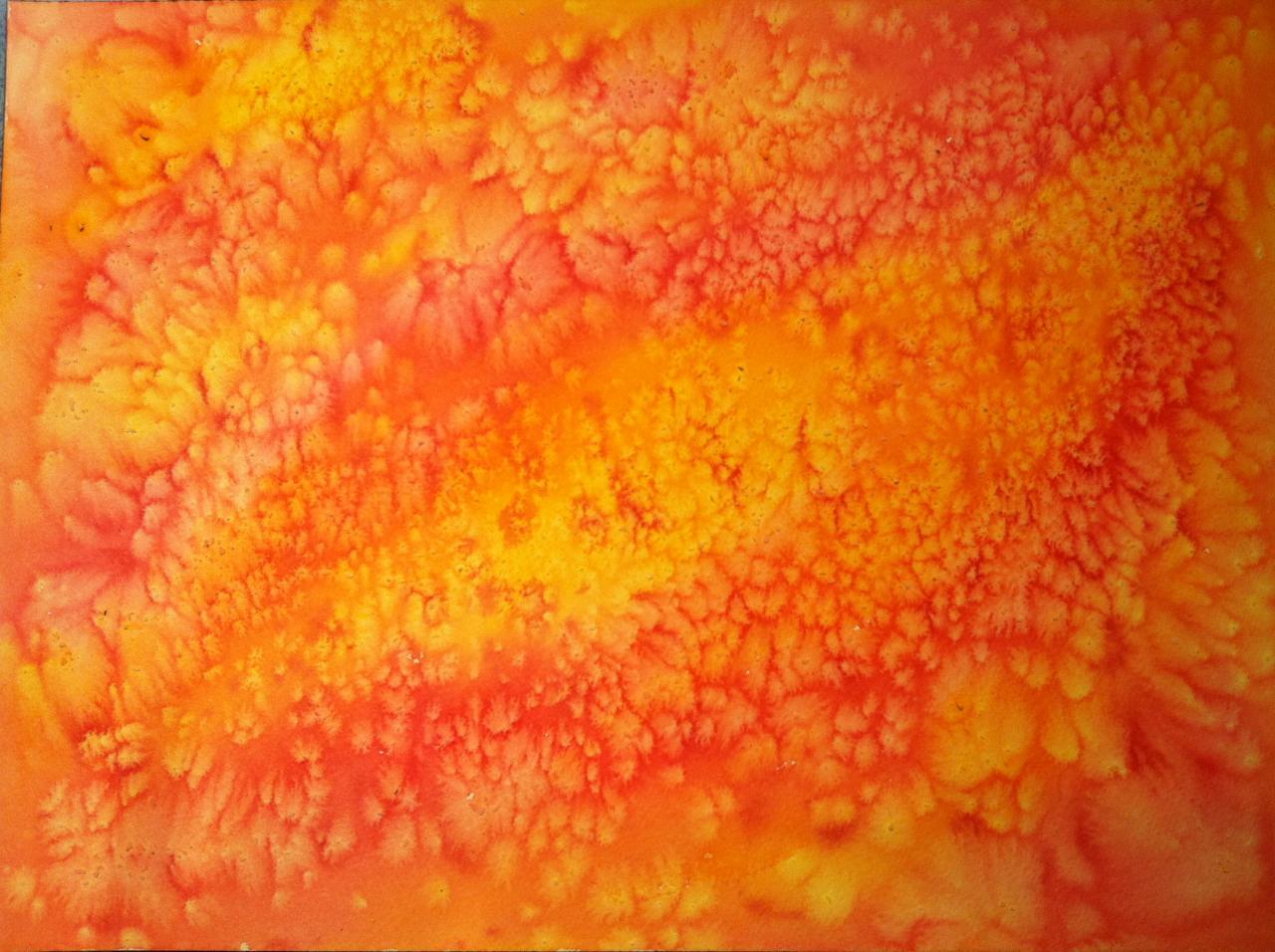
The captivating world of watercolor art offers a rich tapestry of techniques to explore, and one of the most enchanting is the use of salt to create unique and organic textures. This method harnesses the natural properties of salt crystals to interact with wet watercolor paint, producing fascinating patterns and visual depth. By understanding the fundamental principles behind this interaction, artists can unlock a new dimension of creative expression.The appeal of salt and watercolor textures lies in their unpredictable beauty and the serendipitous effects they yield.
Each application results in a one-of-a-kind pattern, making every artwork truly original. This technique is incredibly versatile, lending itself to a wide range of creative projects, from abstract landscapes and celestial scenes to adding subtle, naturalistic details to botanical illustrations or even creating atmospheric backgrounds for character art. The visual interest generated by salt crystals can mimic a variety of natural phenomena, such as frost, snow, starbursts, or mineral formations.To begin your journey into creating these unique textures, a few essential materials and a simple setup are all that is required.
The process is accessible to beginners and experienced artists alike, offering a delightful way to experiment and discover unexpected artistic outcomes.
Essential Materials for Salt and Watercolor Textures
Gathering the right supplies is the first step toward mastering this technique. The beauty of this method is that it doesn’t require specialized or expensive equipment. The key is to have good quality watercolors and paper that can handle moisture.The primary materials needed are:
- Watercolor Paints: Any brand of artist-grade or student-grade watercolors will work. Pans or tubes are equally suitable.
- Watercolor Paper: A heavier weight paper, such as 140lb (300gsm) or above, is recommended to prevent buckling and warping when wet. Cold-press paper is ideal for its textured surface, which helps the salt adhere and the water to pool.
- Water: Clean water is essential for diluting paints and for the watercolor application itself.
- Brushes: A variety of watercolor brushes, including round and flat brushes, will be useful for applying washes and lifting color.
- Salt: This is the star ingredient! Different types of salt produce different effects:
- Table Salt (Fine Grain): Creates smaller, more delicate crystal patterns.
- Kosher Salt (Coarse Grain): Produces larger, more dramatic starbursts and patterns.
- Epsom Salt: Can create a different, sometimes more crystalline or fragmented texture.
- Palette: For mixing your watercolor paints.
- Paper Towels or a Rag: For controlling the amount of water on your brush and for blotting.
Initial Setup and Application Process
Setting up for this technique is straightforward, focusing on creating a wet surface for the salt to interact with. The key is to apply the salt while the watercolor wash is still wet, allowing the salt crystals to absorb the moisture and pigment.The initial setup involves:
- Prepare your workspace: Ensure you have a flat surface and protect it from potential spills.
- Stretch your watercolor paper (optional but recommended for very wet washes): This can be done by taping the paper to a board or using a stretching frame to minimize buckling.
- Mix your watercolor paints: Prepare the colors you intend to use, ensuring they are sufficiently diluted for a good wash.
- Apply a wet wash to the paper: Using a large brush and plenty of water, cover the area of your paper where you want the salt texture to appear. You can use a single color or blend multiple colors for a more complex base. The paper should be visibly damp, but not puddled with excessive water.
- Sprinkle the salt: While the wash is still wet and glistening, generously sprinkle your chosen salt over the painted area. You can sprinkle it evenly or in specific patterns for more controlled effects. Avoid shaking the salt directly from the container; instead, pinch and sprinkle it from your fingertips for better control.
- Allow to dry completely: This is a crucial step. The salt needs time to work its magic as the water evaporates. This can take several hours, or even overnight, depending on the humidity and the amount of water used. Resist the urge to touch or disturb the paper during this drying period.
The magic of salt and watercolor textures unfolds during the drying process, as the salt crystals draw the water and pigment outwards, creating intricate, star-like patterns and unique crystalline formations.
Understanding Salt Types and Their Impact
The magic of salt and watercolor textures lies not only in the application of water but also in the very nature of the salt used. Different types of salt, varying in grain size and crystalline structure, interact with the wet pigment in distinct ways, leading to a diverse range of beautiful and unpredictable patterns. Understanding these differences allows artists to intentionally choose the salt that best suits their desired outcome.The interaction between salt and water in watercolor is a fascinating chemical process.
As the water on the paper begins to evaporate, the salt crystals draw the moisture towards them. This process pulls the pigment particles away from the salt, creating the characteristic “blooms” and starbursts that are so prized in this technique. The size and shape of the salt crystals dictate how quickly this moisture is drawn and how concentrated the pigment becomes around each crystal.
Salt Grain Size and Watercolor Effects
The size of salt grains significantly influences the scale and complexity of the textures produced. Finer grains tend to create more delicate and intricate patterns, while larger grains result in bolder, more expansive effects. Experimenting with different grain sizes is key to discovering the unique visual language each offers.
- Fine Table Salt: This is the most common and readily available salt. Its tiny, uniform grains create dense, star-like patterns with many small points of pigment concentration. The effect is often delicate and granular, resembling a fine mist or a scattering of tiny stars.
- Kosher Salt: Kosher salt typically has larger, flakier crystals than table salt. These irregular shapes lead to more varied and sometimes elongated or feathery patterns. The larger surface area of each crystal can draw more moisture, resulting in bolder blooms and less uniform textures compared to fine salt.
- Sea Salt (Coarse): Coarse sea salt, with its even larger, often irregular crystals, produces the most dramatic and expansive textures. The wide spacing between crystals allows for significant moisture and pigment movement, creating large, organic shapes and bold, radiating patterns. These can appear as large blooms, splashes, or even abstract cloud-like formations.
Crystalline Structure and Texture Patterns
Beyond just size, the specific crystalline structure of each salt type plays a crucial role in shaping the resulting patterns. The way a crystal grows and its inherent geometry influences how it absorbs water and displaces pigment.The way salt crystals form and break down under evaporation dictates the shape and intensity of the resulting watercolor textures. For instance, the sharp edges of some salt crystals might lead to more defined radiating lines, while the more rounded or irregular surfaces of others might produce softer, more diffused blooms.
The chemical composition, while subtle in its effect on visual patterns, also contributes to the way water is absorbed and released, influencing the drying time and the final appearance of the texture.
The evaporation process is central to salt and watercolor art. As water evaporates, it concentrates the pigment around the salt crystals, creating unique patterns.
Chemical Interaction: Salt and Pigment Dispersion
The chemical interaction between salt and water is the driving force behind the textural effects. When salt dissolves in water, it dissociates into ions. As the water evaporates, these ions, along with the suspended pigment particles, are drawn towards the salt crystals.This phenomenon can be understood as a form of capillary action amplified by the presence of dissolved salts. The salt crystals act as temporary “reservoirs” for water, drawing it in through osmosis and capillary forces.
As the water is absorbed by the salt, the pigment particles are left behind, accumulating around the salt crystals. This localized concentration of pigment is what creates the distinctive patterns. The speed of evaporation, influenced by ambient temperature and humidity, also affects the final outcome, determining how quickly the salt draws moisture and how defined the resulting textures become.
Watercolor Techniques for Salt Application
The magic of salt in watercolor lies in its interaction with the wet pigment, creating captivating textures. Mastering the timing and method of salt application is key to achieving predictable yet beautifully organic results. This section explores various techniques to harness the power of salt for unique artistic effects.Understanding how and when to introduce salt to your watercolor washes allows for a wide spectrum of textural outcomes.
The moisture content of the paper and the watercolor, as well as the type and grain size of the salt, all play crucial roles in shaping the final appearance of the salt-induced patterns. Experimentation with these variables will unlock a diverse range of artistic possibilities.
Watercolor Application Methods for Salt
The stage at which you apply watercolors relative to the salt significantly influences the resulting texture. Each method offers distinct advantages for achieving specific artistic goals.
- Salt Applied to Dry Paper, then Watercolor: In this approach, salt is sprinkled onto dry paper first. When watercolor is then brushed over or into the salt, the pigment will be drawn towards the salt crystals, creating concentrated areas of color around them. This method tends to produce sharper, more defined textures.
- Watercolor Applied to Dry Paper, then Salt: Here, a dry wash of watercolor is laid down, and salt is applied while the paint is still wet. The salt crystals absorb the moisture and pigment, causing the color to recede from the salt grains and leaving lighter, textured areas. This is a common method for creating delicate, starry effects.
- Salt Applied to Wet Paper, then Watercolor: Applying salt to a damp paper before the watercolor wash is a more controlled method. The salt crystals will begin to absorb moisture from the paper, and as the watercolor is applied, it will interact with these pre-moistened areas, leading to softer, more diffused textures.
- Salt Applied During Watercolor Application: This technique involves applying salt directly into a wet watercolor wash on the paper. The salt crystals immediately begin to absorb pigment and moisture, creating dynamic and often unpredictable patterns. This method is excellent for generating lively, organic textures.
- Salt Applied After Watercolor Has Dried: While less common for creating traditional salt textures, applying salt to a fully dried watercolor wash can have interesting effects, particularly if the paper is re-wetted. The salt can help to lift pigment unevenly when the paper is re-dampened, leading to subtle variations in tone and texture.
Controlling Salt’s Moisture Absorption and Pigment Lifting
The degree to which salt absorbs moisture and lifts pigment is directly related to the amount of water present on the paper and within the watercolor. By carefully managing these elements, artists can influence the intensity and spread of the salt textures.
- Water-to-Pigment Ratio: A more diluted watercolor wash will result in less pigment for the salt to absorb, leading to lighter, more subtle textures. Conversely, a concentrated wash will yield bolder, more pronounced salt patterns as the salt draws up more pigment.
- Paper Saturation: The amount of water on the paper is critical. If the paper is thoroughly saturated with water before salt application, the salt will have more moisture to absorb, causing the pigment to spread further and creating larger, more diffused salt effects. A lightly damp paper will result in more localized and defined textures.
- Salt Crystal Size and Quantity: Larger salt crystals tend to create more dramatic “starbursts” and larger voids as they absorb more moisture and push the pigment away more aggressively. A finer grain salt will produce a more delicate, speckled texture. Using a greater quantity of salt will lead to more numerous and potentially overlapping textural effects.
- Drying Time: The longer the salt remains on the wet watercolor, the more pigment and moisture it will absorb. Removing the salt too soon will result in less pronounced textures. Allowing it to sit for an extended period, or even overnight, will maximize its effect.
Step-by-Step Procedures for Specific Salt Texture Effects
Achieving specific, recognizable salt textures requires a thoughtful approach to the application process. Here are procedures for creating two popular effects:
Creating “Starbursts”
Starbursts are characterized by radiating lines emanating from a central point, resembling a small explosion or a distant star. This effect is best achieved with coarser salt and a generous amount of water.
- Prepare your watercolor wash: Apply a generous, wet watercolor wash to your paper. Ensure the paper is well-saturated but not pooling excessively.
- Apply coarse salt: While the watercolor is still very wet, sprinkle coarse salt (like kosher salt) onto the wash. Aim for distinct, isolated piles of salt, rather than a uniform layer.
- Allow sufficient drying time: Let the salt sit on the wet paint for at least several hours, or preferably overnight. This allows the salt crystals ample time to absorb moisture and pigment, pushing the color away from their edges.
- Gently remove the salt: Once the paint and salt are completely dry, carefully brush away the salt crystals. A soft brush or a gentle shake will suffice. Avoid rubbing, which can disturb the delicate patterns. The areas where the salt crystals were will appear lighter and textured, with radiating lines of pigment.
Creating “Blooms”
Blooms are softer, more organic, and often circular or irregular textural patterns that emerge from the interaction of salt and watercolor. They are typically created with finer salt and a controlled moisture level.
- Apply a wet-on-wet wash: Lay down a wet watercolor wash on your paper. The paper should be damp but not so saturated that the colors run uncontrollably.
- Sprinkle fine salt: While the watercolor is still wet, lightly sprinkle fine table salt over the wash. The salt should be distributed evenly but not in dense clumps.
- Control moisture absorption: Observe the salt as it begins to absorb moisture. If the wash is too wet, the blooms may become too diffuse. If it’s too dry, the effect will be minimal. Adjust by lightly dabbing away excess water with a paper towel or adding a tiny bit more water to the surrounding area if needed.
- Allow to dry: Let the salt sit on the wet paint until the watercolor is completely dry.
- Remove the salt: Once dry, gently brush away the salt. The areas where the salt was will appear as lighter, textured “blooms” within the watercolor wash, often with subtle radiating patterns.
Salt Texture Effects and Variations
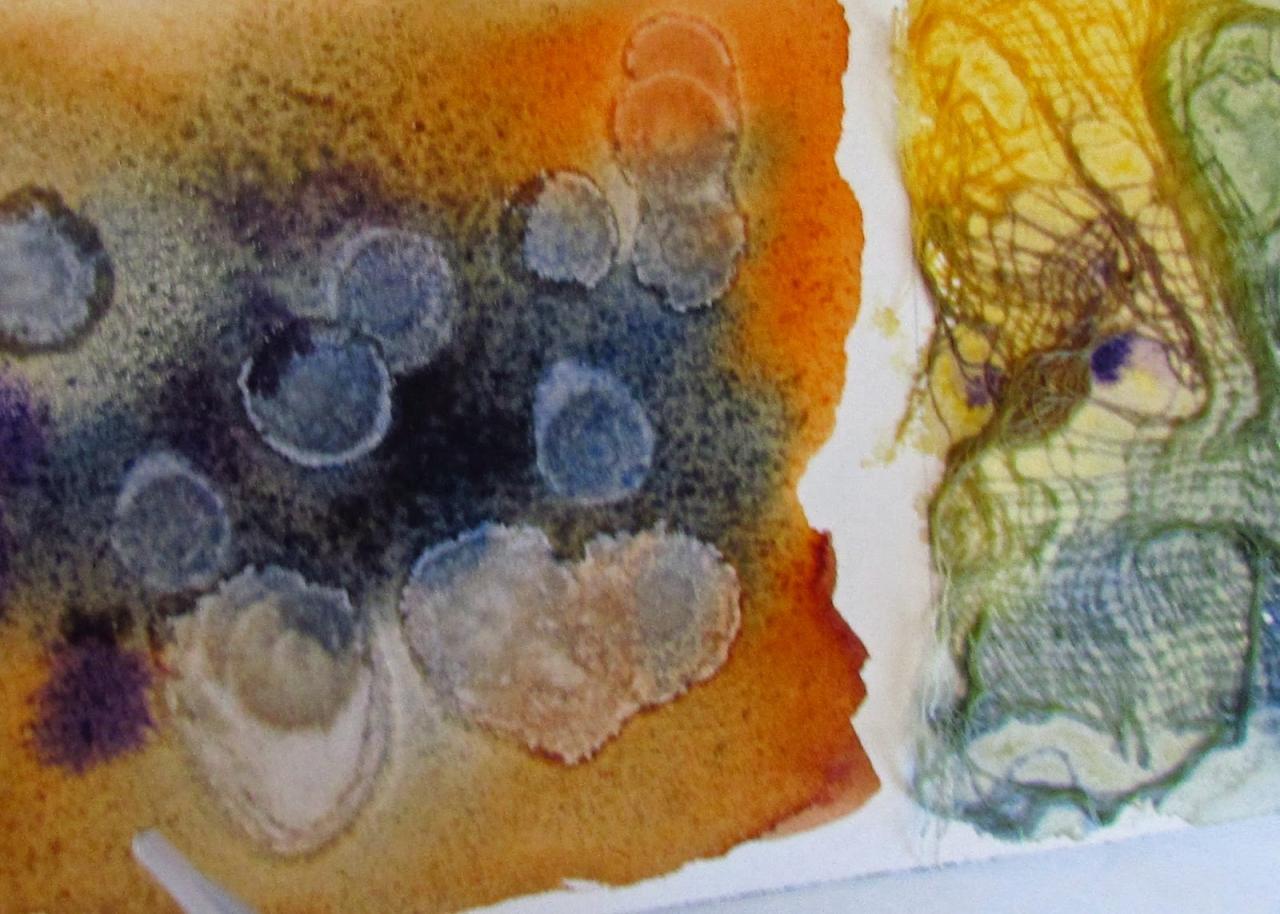
The interplay between salt and watercolors is a fascinating journey into creating unique visual textures. Depending on the salt type, water saturation, and application method, a wide spectrum of artistic outcomes can be achieved, transforming a simple wash into a captivating landscape of patterns and forms. Understanding these effects is key to mastering this technique and achieving intentional artistic results.The magic of salt in watercolor lies in its hygroscopic nature, meaning it draws water from the paper.
As the water evaporates, the salt crystals recrystallize, pushing the pigment around them and leaving behind distinctive marks. This process can yield everything from delicate, star-like formations to bold, abstract shapes, offering artists a rich vocabulary for textural expression.
Common Visual Outcomes
The type of salt used and the conditions under which it dries significantly influence the resulting patterns. Each type of salt possesses a unique crystal structure that translates into a specific visual effect on the watercolor paper.
- Crystalline Patterns: These are the most recognizable salt textures. Coarse salts, such as kosher salt or sea salt, tend to produce larger, more defined crystalline shapes. These often resemble tiny stars, snowflakes, or intricate branching structures. The edges of these patterns are typically sharp, and the color within them is often lighter than the surrounding wash as the salt has absorbed pigment.
- Organic Splotches and Blooms: Finer salts, like table salt, or applying salt to a very wet surface can lead to more amorphous, organic splotches. These can resemble clouds, nebulae, or natural splotches of color. The boundaries are softer and more diffused, creating a sense of natural movement and variation.
- Diffused Color and Gradations: When salt is applied to a wash that is already partially dry or when less water is used, it can create areas of more concentrated color where the salt crystals sit, surrounded by lighter, diffused areas. This can lead to subtle gradations and interesting tonal shifts within a single wash.
Creating Depth and Dimension
Adding depth and dimension to salt-infused watercolor pieces can elevate them from simple textural studies to more engaging compositions. This is achieved by layering, strategic placement, and understanding how light and shadow interact with the textured surfaces.
- Layering Washes: Apply salt to a first wash, let it dry completely, and then remove the salt. Subsequent washes can then be applied over these textured areas. The underlying texture will subtly influence the new wash, creating a sense of depth and history within the painting.
- Varying Salt Granule Size: Using a mix of different salt granule sizes within the same painting can create visual interest and depth. Larger salt crystals will create bolder patterns, while smaller crystals can add finer details, mimicking different elements in a landscape or abstract composition.
- Strategic Placement: Consider where the salt is applied. Placing salt in areas intended to be lighter or to represent specific natural elements (like foam on waves or snow on mountains) will create a more believable and dimensional effect.
- Glazing Over Salt Textures: After removing the salt and allowing the paper to dry, a thin, transparent glaze of watercolor can be applied over the textured area. This can unify the colors and add another layer of depth, while still allowing the underlying salt pattern to be visible.
Impact of Water and Salt Ratios
The relationship between the amount of water on the paper and the amount of salt applied is a critical factor in determining the intensity and spread of the resulting textures. Experimentation with these variables is key to unlocking a wide range of effects.
Water Saturation Levels:
- Very Wet Paper: When the paper is saturated with water, the salt crystals will dissolve more readily and spread out. This often leads to larger, more diffused blooms and less defined crystalline patterns. The color will spread more widely around the salt, creating softer edges.
- Damp Paper: Applying salt to paper that is damp but not soaking wet allows for a more controlled diffusion. The salt will still draw water and pigment, but the spread will be less dramatic, often resulting in more intricate and defined crystalline structures.
- Partially Dry Paper: On paper that is already partially dry, the salt will have a more localized effect. It will draw pigment from the surrounding wet areas, creating concentrated spots of color where the salt is placed, with less diffusion.
Salt Application Density:
- Light Sprinkle: A light scattering of salt will produce isolated, delicate patterns. The individual salt crystals will have more space to influence the surrounding pigment, leading to distinct, often star-like formations.
- Heavier Application: Applying salt more densely can create overlapping patterns and more complex textures. The crystals will interact with each other, leading to a more chaotic and organic spread of color, and potentially larger splotchy areas.
It is through mindful manipulation of these factors – the type of salt, the wetness of the paper, and the density of salt application – that artists can truly harness the power of salt and watercolors to create a diverse and captivating array of unique textures.
Advanced Salt and Watercolor Applications
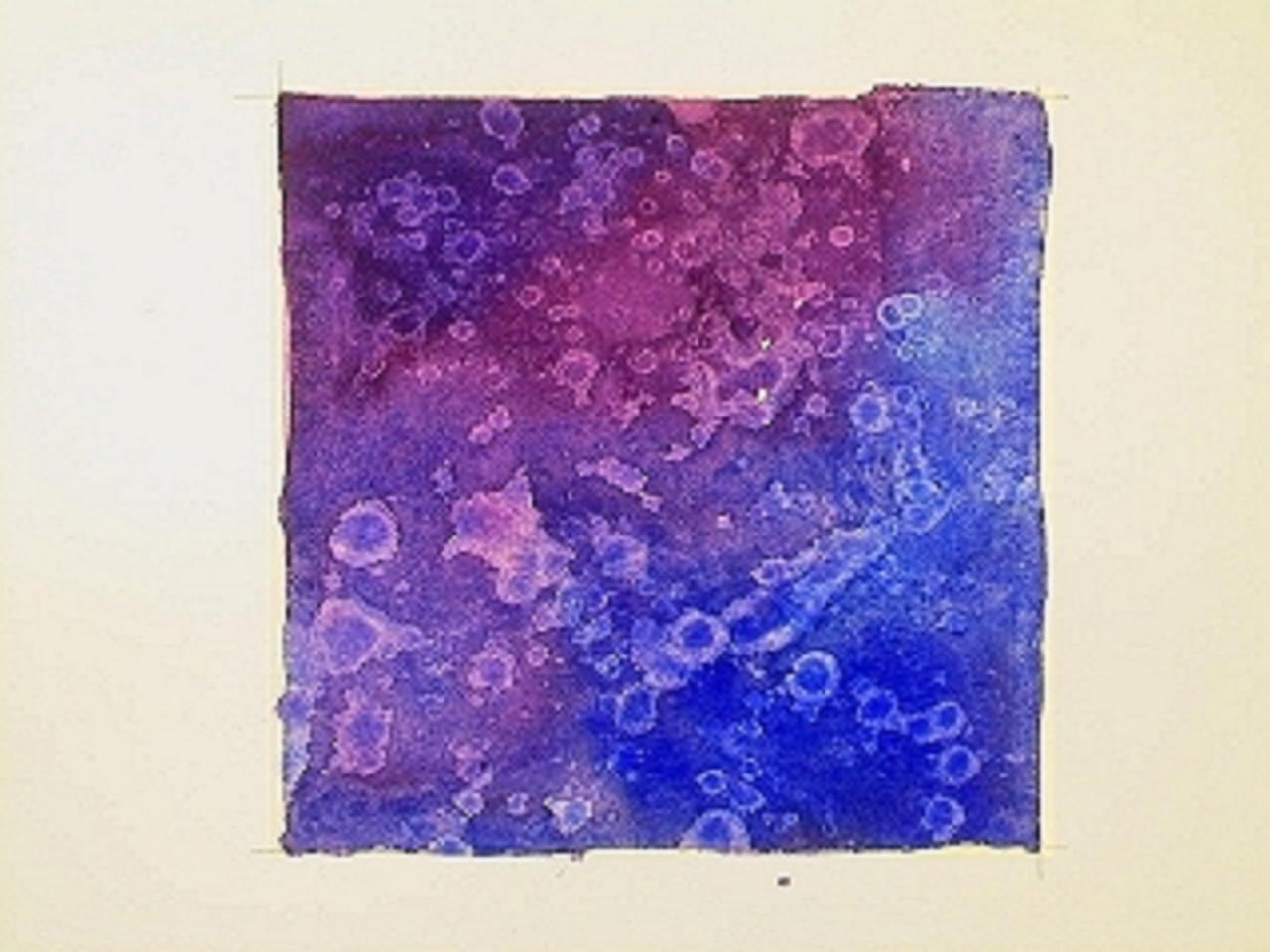
While mastering basic salt and watercolor techniques is a rewarding journey, the true magic unfolds when these methods are integrated with other artistic approaches and tools. This section delves into how to elevate your salt and watercolor creations by exploring synergistic combinations and adapting these textures to various artistic styles, alongside practical advice for overcoming common challenges.The versatility of salt textures in watercolor allows for seamless integration into a broad spectrum of artistic expressions.
By thoughtfully combining salt with other mediums or tools, and by understanding how these textures complement different styles, artists can unlock new dimensions of visual interest and depth in their work.
Combining Salt with Other Watercolor Mediums and Tools
Enhancing salt and watercolor effects can be achieved by introducing other elements that interact with or build upon the salt-induced textures. This strategic layering and combination of materials can lead to unexpectedly rich and complex visual outcomes.Consider the following approaches for combining salt with other mediums:
- Masking Fluids: Applying masking fluid before or after salt treatment can preserve certain areas from the salt’s crystalline effect, creating sharp, defined edges or preserving intricate details. This is particularly useful for botanical illustrations where delicate petals need to retain their form amidst textured backgrounds.
- Gouache or Acrylic Inks: Layering opaque mediums like gouache or acrylic inks over dried salt textures can create a striking contrast. The opaque paint will settle into the crevices left by the salt, highlighting the texture, while areas where salt was less dense will appear smoother. This is effective for abstract pieces where bold contrasts are desired.
- Water-Based Markers: Using water-based markers to add details or color accents over salt-dried areas can result in a unique bleed effect. The water in the marker will reactivate residual moisture or pigment in the paper, causing the colors to diffuse softly around the salt crystals’ imprint.
- Sgraffito Techniques: Once the watercolor and salt have dried, you can use sharp tools like a palette knife, the edge of a credit card, or even a craft knife to gently scratch away layers of dried paint. This reveals the paper or underlying layers, creating fine lines and textural variations that mimic natural elements like bark or weathered surfaces.
- Glazing: Applying thin, transparent layers of watercolor over dried salt textures can subtly alter the overall color and tone without obscuring the underlying pattern. This technique is excellent for building atmospheric depth in landscapes or creating a luminous glow in floral paintings.
Incorporating Salt Textures into Different Artistic Styles
The unique patterns and effects generated by salt and watercolors are not limited to a single style; they can be thoughtfully incorporated to enhance a wide range of artistic expressions, adding character and visual intrigue.The application of salt textures varies significantly depending on the desired artistic outcome:
- Abstract Art: In abstract compositions, salt textures can serve as the primary focus or a compelling background element. Their unpredictable nature lends itself well to expressive and dynamic pieces. Artists can use large salt crystals for bold, impactful patterns or fine salt for subtle, organic textures. Combining different salt types can introduce further variation. For instance, a wash of deep indigo watercolor with coarse sea salt can create a dramatic, star-like effect suitable for a cosmic abstract.
- Landscapes: Salt textures are exceptionally effective for rendering natural elements in landscape paintings. Fine salt can mimic the texture of sand or dry earth, while coarser salt can suggest rocky outcrops or the frothy spray of waves. For instance, a wash of earthy browns and ochres for a desert scene, treated with fine salt, can convincingly portray parched, cracked ground.
Similarly, applying salt to a wet wash of blues and greens for a seascape can create realistic water textures.
- Floral Paintings: While seemingly delicate, salt textures can add a surprising depth to floral subjects. They can be used to create the textured surface of petals, the veins on leaves, or even the dappled light filtering through foliage. For example, after applying soft washes of pink and white for rose petals, a light sprinkling of fine salt can add a subtle, velvety texture to the surface.
- Figurative Work: Even in figurative art, salt textures can be employed subtly. A salt-treated background can provide a nuanced contrast to a sharply rendered figure, or specific areas of clothing or skin can be given a unique textural quality. For instance, a wash of muted grays for a draped fabric, treated with salt, can suggest a rougher weave or worn material.
Troubleshooting Common Issues in Salt and Watercolor Work
Working with salt and watercolors, while rewarding, can sometimes present challenges. Understanding these common issues and their solutions will help ensure a smoother and more successful creative process.Here is a guide to troubleshooting common problems:
| Problem | Cause | Solution |
|---|---|---|
| Uneven or patchy salt distribution | Salt applied to paper that is too wet or too dry, or inconsistent application. | Ensure the paper is evenly damp but not saturated when applying salt. For finer control, consider a light misting of water before sprinkling. If the paper is too dry, the salt won’t adhere or spread properly. If too wet, the salt can clump. |
| Salt dissolving completely, leaving no texture | Paper too wet, or salt left on the paper for too long before removal. | Remove the salt once the paint is completely dry to the touch, but before it has been exposed to excessive humidity. If the paper was very wet, the salt may have dissolved into the pigment and water. |
| “Muddy” or dull colors after salt removal | Excessive salt, or the salt was removed while the paint was still damp, causing pigment to lift unevenly. | Use salt sparingly, especially with highly pigmented colors. Always allow the paint and salt to dry completely before gently brushing away the salt. Consider using a soft brush or a dry cloth to dab away excess salt residue. |
| Salt leaving white residue or stains | Certain types of salt (e.g., iodized table salt) can contain anti-caking agents or minerals that leave unwanted marks. | Always use pure, non-iodized salt such as kosher salt, sea salt, or Epsom salts. Experiment with different salt types on scrap paper to observe their behavior before using them on your artwork. |
| Unwanted salt crystals clinging to the paper | The paper surface is too rough, or the salt was pressed into the paper. | Use smoother watercolor papers for more predictable results. Gently brush away salt with a soft, dry brush. Avoid pressing the salt into the paper; let gravity and the moisture do the work. |
| Salt textures overpowering the composition | Overuse of salt or using salt with very strong pigments. | Use salt as an accent rather than a dominant feature. Test your salt application on a separate piece of paper with the same pigments to gauge the intensity of the effect. Consider using finer salts for subtle textures. |
Illustrative Examples of Salt Textures
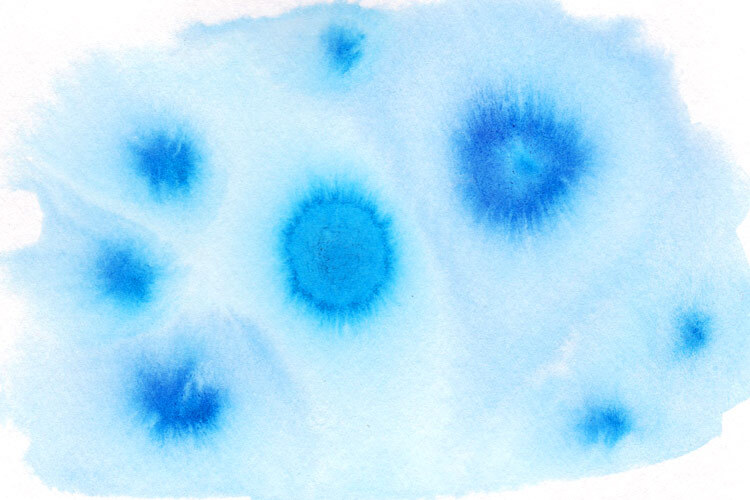
The true magic of salt and watercolor lies in its ability to transform simple washes into intricate, organic patterns. By observing various applications, artists can gain a deeper understanding of how different salt types and application methods yield distinct visual results, influencing the interplay of light, color, and form within the artwork. These examples serve as a guide to appreciating the nuanced effects achievable.
Fine Salt on Wet Wash
When fine grain salt, such as table salt, is applied to a watercolor wash that is still wet, it creates a delicate and ethereal texture. The salt crystals absorb the moisture and pigment from the paper, drawing the color outwards and away from themselves. This process results in intricate, star-like or floral patterns that radiate from each salt grain. The effect is often characterized by fine, lacy edges and a subtle diffusion of color.
The delicate bloom of fine salt on a wet wash resembles a celestial scattering of tiny stars across a painted sky.
The visual outcome is highly dependent on the moisture level of the paper; a wetter surface will lead to more pronounced diffusion and larger patterns, while a slightly less wet surface will produce finer, more concentrated details. The transparency of the watercolors plays a crucial role, allowing the underlying paper’s white or lighter tones to peek through the diffused pigment, adding to the luminous quality of the texture.
This technique is particularly effective for depicting misty landscapes, atmospheric effects, or the subtle textures of clouds.
Coarse Salt on Dry Brush Stroke
Applying coarse salt, such as sea salt or kosher salt, to a dry brush watercolor stroke offers a dramatically different aesthetic. The dry brush technique itself leaves a broken, textured line of pigment, and the addition of coarse salt amplifies this effect. As the salt absorbs any residual moisture and pigment, it creates bold, fractured, and almost crystalline patterns within and around the dry brush marks.
These textures are typically more angular and pronounced than those created with fine salt on a wet wash.
Coarse salt sprinkled on a dry brush stroke carves out bold, fractured territories of color, akin to weathered rock formations.
The visual characteristics include sharp edges, significant gaps in pigment, and a more rugged, earthy appearance. The larger salt crystals create larger areas of pigment displacement, leading to a more graphic and impactful texture. This method is ideal for portraying rough surfaces like bark, stone, aged paper, or creating dramatic abstract elements within a composition. The interplay of light and shadow is more pronounced, with the salt crystals casting subtle shadows that enhance the three-dimensional feel of the texture.
Practical Uses and Project Ideas
The unique and often serendipitous textures created with salt and watercolors open up a world of creative possibilities. These techniques are not just for decorative purposes; they can add depth, character, and a touch of organic artistry to a wide range of projects. By understanding how to control and leverage these effects, artists can elevate their work from ordinary to extraordinary.This section explores various applications for these distinctive textures, offering inspiration for both digital and traditional art forms.
Whether you’re looking to add subtle nuances or dramatic focal points, salt and watercolor textures provide a versatile toolkit for artistic expression.
Creative Projects Incorporating Salt and Watercolor Textures
A diverse array of creative endeavors can be significantly enhanced by the visual interest and organic feel of salt and watercolor textures. These textures lend themselves well to projects where a natural, imperfect, or atmospheric quality is desired.
- Greeting Cards and Stationery: Create one-of-a-kind backgrounds for handmade cards, invitations, or personal stationery. The salt textures can evoke feelings of frost, delicate patterns, or aged paper.
- Digital Art Backgrounds: Scan or photograph your salt-textured watercolor paintings and use them as unique digital backgrounds for websites, social media graphics, or digital collages. They can provide a painterly and textured foundation for typography or other design elements.
- Mixed Media Art: Integrate salt-textured watercolor elements into larger mixed media pieces. They can serve as subtle textural layers beneath acrylic paints, collage elements, or even embroidery.
- Journaling and Scrapbooking: Add unique visual interest to journal pages or scrapbook layouts. The textures can represent natural landscapes, abstract patterns, or add a vintage feel to memories.
- Fabric Printing: Experiment with transferring salt-textured watercolor designs onto fabric for unique textile art, tote bags, or custom clothing accents.
- Abstract Art Pieces: Allow the salt textures to be the primary focus of an abstract painting, exploring the interplay of color, form, and the inherent randomness of the technique.
Representing Natural Elements with Salt Textures
The crystalline structures formed by salt and water interaction are remarkably adept at mimicking various natural phenomena. By intentionally applying salt and manipulating the drying process, artists can achieve convincing representations of elements found in nature.
Snow and Ice
The fine, star-like or granular patterns produced by salt crystals, especially finer grains like table salt or Epsom salts, are excellent for depicting snow. Applying a light wash of cool colors like blues, whites, and grays over a damp surface and then sprinkling salt can create a delicate, frosted effect. For more intense snow scenes, a heavier application of salt on a wetter wash will yield larger, more defined crystal patterns, resembling freshly fallen snow or icy formations.
The varying sizes and shapes of salt crystals allow for a nuanced representation of different snow textures, from powdery drifts to crunchy ice.
Sand and Earth
Coarser salts, such as sea salt or kosher salt, can be used to represent sandy textures. Applying these salts to a wash of warm, earthy tones like ochre, sienna, and umber can create a convincing sandy beach or arid desert landscape. The irregular shapes and larger crystals of these salts mimic the graininess of sand. For weathered or cracked earth, applying salt to a dry or semi-dry wash and then brushing away the salt after drying can leave behind interesting crackle patterns, reminiscent of parched soil.
Weathered and Aged Surfaces
The organic, almost chaotic patterns created by salt can effectively simulate the look of weathered wood, aged paper, or distressed metal. Using muted colors and a judicious application of salt can produce subtle crackles and textured areas that suggest the passage of time. For example, a wash of sepia or brown with strategically placed salt can evoke the appearance of old parchment.
Similarly, applying salt to a layered wash of grays and rust colors can suggest the patina of aged metal. The unpredictable nature of salt crystallization lends an authentic, time-worn quality to these representations.
Illustrative Examples of Salt Texture Applications
To further illustrate the versatility of salt and watercolor textures, consider these specific project examples:
Digital Art Background for a Celestial Theme
Imagine creating a digital illustration for a fantasy book cover. A background wash of deep indigos, purples, and blacks is applied to watercolor paper. While the paint is still wet, a mix of fine sea salt and Epsom salt is sprinkled across the surface. As it dries, the salt crystals draw out moisture, leaving behind starburst patterns and granular textures.
Once dry, the salt is gently brushed away, revealing areas of lighter color and intricate crystalline marks. This textured background can then be scanned and used as a backdrop for nebulae, distant galaxies, or the ethereal glow of magical energies in the digital artwork.
Handmade Greeting Card for a Winter Birthday
For a winter birthday card, a light wash of icy blue and pale lavender is applied to cold-press watercolor paper. Before it dries completely, a generous amount of fine table salt is sprinkled over the wet paint. The salt crystals absorb the pigment, creating delicate, star-like patterns that resemble frost or snowflakes. After the painting has thoroughly dried, the excess salt is carefully brushed off, leaving behind a beautiful, textured effect.
This can be layered with other elements, such as a hand-drawn snowman or a stamped sentiment, to create a charming and unique card.
Mixed Media Piece Depicting a Coastal Landscape
In a mixed media artwork aiming to capture the essence of a windswept coastline, watercolor salt textures can play a crucial role. A base layer of sandy beige and muted green watercolors is applied to canvas or heavy watercolor paper. While this layer is still damp, coarse sea salt is scattered to represent the texture of sand dunes. In other areas, a lighter wash of blue and gray might be used, with finer salt applied to suggest sea spray or mist.
After drying and removing the salt, additional elements like acrylic paint for rocky outcrops, torn paper for driftwood, or ink for fine details can be added, with the salt-textured watercolor serving as a rich, organic foundation.
Conclusive Thoughts
As we conclude our exploration of How to Create Unique Textures with Salt and Watercolors, it’s clear that this accessible technique offers a rich landscape for artistic innovation. Whether you’re aiming for subtle nuances or dramatic statements, the interplay of salt and pigment provides an endlessly inspiring avenue for personal expression. Embrace the delightful unpredictability and watch your artwork transform with these captivating, natural textures.