Embarking on the journey of watercolor painting often leads artists to seek methods for achieving richer, more luminous hues. The technique of glazing, a cornerstone of watercolor artistry for centuries, offers a sophisticated approach to building depth and vibrancy without resorting to heavy pigment application. This exploration will illuminate the principles and practices behind this transformative method, inviting you to unlock new levels of color intensity in your work.
Understanding watercolor glazing involves appreciating the interplay of transparent layers, where each wash subtly influences the colors beneath it. By carefully applying thin, translucent washes of paint, artists can create optical mixing effects, alter color temperature, and introduce a remarkable luminosity that is characteristic of masterful watercolor paintings. From its historical roots to practical application, mastering glazing is key to achieving profound color depth and a refined artistic finish.
Understanding Watercolor Glazing
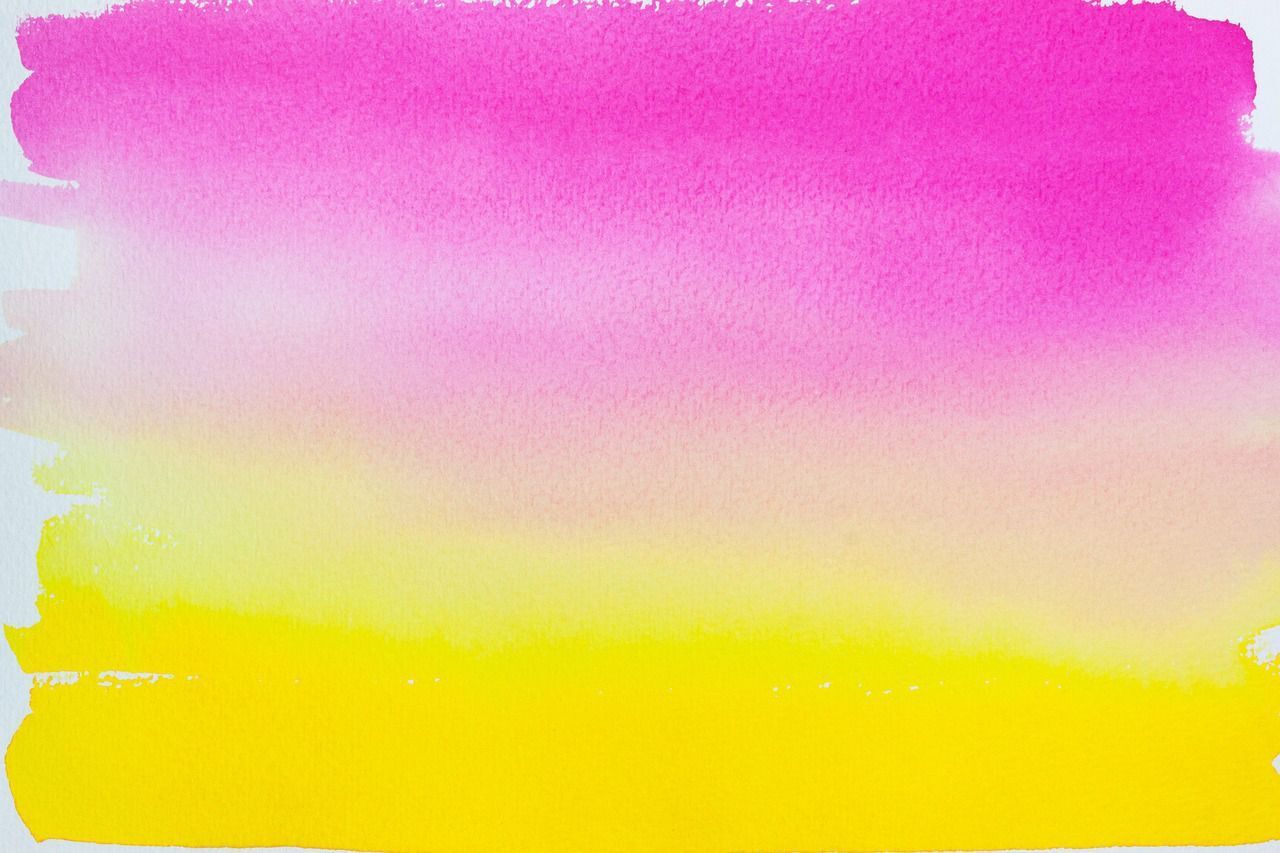
Watercolor glazing is a fundamental technique that allows artists to build depth, luminosity, and nuanced color within their paintings. It involves applying thin, transparent layers of watercolor over dried previous layers, much like stained glass. This method is not about simply adding more paint, but about intelligently layering colors to create optical effects and a sense of richness that is unique to watercolors.The purpose of glazing in watercolor painting is multifaceted.
Primarily, it serves to deepen and intensify colors without making them muddy. By layering transparent pigments, the light passes through each layer, reflects off the white of the paper, and then returns through the pigments, creating a vibrant and luminous effect. This technique is also crucial for subtly shifting hues, creating subtle transitions, and achieving smooth, gradient-like effects.
Historical Significance of Glazing Techniques
The art of glazing has a long and esteemed history, dating back centuries and significantly influencing various painting mediums. While most famously associated with oil painting, where its ability to create deep, luminous glazes was a cornerstone of Renaissance and Baroque masters like Jan van Eyck and Titian, the principles of layering transparent color have been adapted and utilized in watercolor for just as long.
Early watercolorists recognized the inherent transparency of the medium and developed techniques to leverage this property for creating rich, saturated tones and subtle atmospheric effects. This historical lineage underscores the enduring power of transparent layering as a means to achieve depth and complexity in painting.
Optical Effects of Transparent Watercolor Layering
The magic of watercolor glazing lies in its optical effects, which are a direct result of layering transparent pigments. When light strikes a glazed watercolor painting, it penetrates the upper layers of pigment, reflects off the white paper beneath, and then passes back through the pigment layers. This process allows the underlying colors to influence the appearance of the top layer, creating a vibrant, jewel-like quality.This interaction of light and pigment results in several key optical phenomena:
- Color Mixing: Instead of mixing colors directly on the palette, glazing allows for optical color mixing. For instance, a layer of yellow over blue doesn’t just create green; it creates a luminous, vibrant green where the yellow and blue can be perceived separately, contributing to its brilliance.
- Depth and Luminosity: Each transparent layer adds a subtle depth and a glow that seems to emanate from within the painting. This is particularly effective for rendering translucent objects, water, or atmospheric effects.
- Hue Shifts: By carefully selecting the colors for each successive layer, artists can subtly shift the perceived hue of the underlying color. A thin glaze of red over a violet can push it towards a warmer, more magenta tone, for example.
- Muted Tones: While glazing deepens colors, it can also be used to create sophisticated, muted tones. Layering complementary colors very thinly can neutralize a hue without creating the dullness that often results from over-mixing on the palette.
The effect is akin to looking through colored glass, where the overall color is a combination of the glass itself and what is seen through it. This layered transparency is what gives well-executed watercolor glazes their distinctive luminosity and richness, setting them apart from opaque mediums.
Essential Materials for Glazing
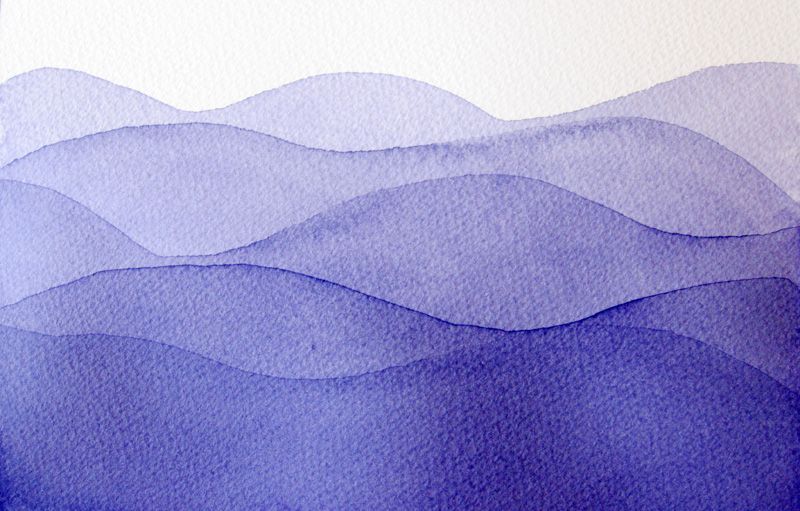
Glazing with watercolors is a technique that relies on building up transparent layers of color to achieve depth, luminosity, and subtle color shifts. To execute this beautifully, selecting the right materials is paramount. The quality of your paints, paper, and brushes directly impacts the outcome, allowing for smooth transitions and vibrant results.The art of watercolor glazing is significantly enhanced by using materials specifically chosen for their transparency and handling properties.
These materials work in harmony to allow light to reflect off the white of the paper, passing through the thin layers of pigment, which is the essence of watercolor’s luminous quality.
Watercolor Paint Types for Glazing
The most suitable watercolor paints for glazing are those with high transparency. Transparent pigments allow subsequent layers of color to show through clearly, enabling the creation of rich, nuanced hues and optical mixing. Opaque paints, while useful for other techniques, tend to cover up underlying layers, hindering the glazing effect.Many manufacturers clearly label their pigments for transparency. When selecting paints, look for pigments with a high transparency rating.
For instance, many earth tones, some blues and greens, and certain reds are naturally transparent. Conversely, pigments like Cadmium Yellow or Cobalt Blue can be more opaque or semi-opaque, and while they can be used in glazing, they might require a lighter hand or more dilution.
Transparent pigments are the cornerstone of effective watercolor glazing, allowing for the optical mixing of colors and the creation of luminous depth.
A good starting point for a glazing palette includes:
- A warm and cool version of each primary color (e.g., Cadmium Yellow Light and Indian Yellow, Quinacridone Rose and Permanent Alizarin Crimson, Ultramarine Blue and Cerulean Blue).
- Earth tones like Yellow Ochre, Burnt Sienna, and Raw Umber, which are often very transparent and excellent for building warm undertones.
- A transparent green, such as Sap Green or Viridian.
- A cool neutral, like Payne’s Grey (though some formulations can be slightly opaque, many are transparent enough).
Paper Quality for Glazing Techniques
The quality of watercolor paper is arguably the most critical element for successful glazing. Glazing involves applying multiple thin washes, and the paper must be able to withstand this repeated application of water and pigment without buckling, pilling, or degrading. A robust paper ensures that your delicate layers remain intact and that the colors retain their vibrancy.Watercolor paper is made from cotton fibers, which are stronger and more absorbent than wood pulp.
The percentage of cotton content significantly influences the paper’s durability and how it handles water. For glazing, a paper with a high cotton content (90-100%) is highly recommended.The weight of the paper, measured in pounds (lbs) or grams per square meter (gsm), is also crucial. Heavier papers are more resistant to buckling.
- Cold Press Paper: This is the most common type, with a slightly textured surface. It holds washes well and is versatile for most watercolor techniques, including glazing.
- Hot Press Paper: This paper has a very smooth surface, making it ideal for fine detail and smooth blending. While it can be used for glazing, it may require more careful handling as water can spread more quickly.
- Rough Paper: This paper has a pronounced texture. While it can be used for glazing, the texture can create interesting effects by holding pigment in the valleys, which might not always be the desired outcome for smooth, transparent layers.
For glazing, papers weighing 140 lb (300 gsm) or heavier are generally preferred, as they can handle multiple washes with less risk of warping.
Ideal Brush Types for Applying Thin Watercolor Layers
The choice of brush plays a vital role in applying thin, even layers of watercolor. The brush should be able to hold a good amount of diluted paint and release it smoothly onto the paper without leaving harsh lines or disturbing previous layers. Soft, absorbent bristles are key to achieving this controlled application.Natural hair brushes are often favored for their ability to hold water and pigment and their soft tips, which allow for delicate strokes.
However, high-quality synthetic brushes can also perform exceptionally well and are often more affordable and durable.The shape and size of the brush should also be considered:
- Round Brushes: These are incredibly versatile. A size 6 or 8 round brush is excellent for general washes and can be used for glazing larger areas. A smaller round brush (size 2 or 4) is perfect for fine details and the initial, delicate layers of glazing. The pointed tip allows for precise control.
- Wash Brushes (Flat or Mop): A larger flat brush or a mop brush can be useful for applying broad, even washes over large areas, ensuring consistent transparency. However, for detailed glazing, round brushes often offer more control.
The key is to use brushes that are not too stiff, as stiff bristles can scratch the paper or leave uneven marks, disrupting the smooth, transparent quality of the glaze.
Necessary Supplementary Materials for Effective Glazing
Beyond paints, paper, and brushes, several other materials can significantly enhance the watercolor glazing process. These items help manage water, ensure cleanliness, and achieve the desired effects.A well-equipped artist’s workspace for glazing includes:
- Water Containers: At least two containers are recommended: one for rinsing brushes and one for clean water to mix with paints. This prevents muddying your colors.
- Paper Towels or a Rag: Essential for blotting excess water from your brush, controlling the amount of pigment on the brush, and lifting unwanted color.
- Palette: A ceramic or porcelain palette is ideal for watercolor mixing, as it provides a non-porous surface that doesn’t absorb paint and allows for true color mixing. Plastic palettes can also work, but some may stain over time.
- Masking Fluid: Useful for preserving small white areas or creating sharp edges that would be difficult to achieve with careful brushwork alone. It is applied before painting and peeled off once dry.
- Spray Bottle: A fine mist spray bottle can be used to re-wet dried washes, making it easier to blend edges or apply subsequent glazes without reactivating the underlying paint too aggressively.
- Artist’s Tape or Clips: To secure your paper to a board, preventing buckling as it dries.
Preparing for Watercolor Glazing
Successfully glazing with watercolors requires careful preparation, much like setting up for any intricate artistic process. This stage involves ensuring your palette is ready, your paints are appropriately diluted, and you have a clear understanding of how to manage water for optimal control. By attending to these details, you lay the groundwork for achieving the luminous, layered effects that glazing is known for.
Palette Preparation for Glazing
Preparing your watercolor palette for glazing is a fundamental step that ensures your colors are readily accessible and in the optimal state for application. This involves arranging your colors in a way that facilitates easy mixing and selection of the desired hues for layering. A well-organized palette saves time and prevents disruptions to your creative flow.A common approach to palette preparation for glazing involves:
- Arranging colors logically: Grouping colors by hue (e.g., warm colors together, cool colors together) or by their intended use in a specific painting can streamline the process.
- Ensuring ample space for mixing: Many palettes have dedicated wells or a mixing area. It’s crucial to have enough clean space to mix your glazes without contaminating existing colors.
- Pre-mixing common washes: If you anticipate using certain diluted colors frequently, you can pre-mix them in a separate palette or even in the wells of your main palette to save time during the painting process.
- Keeping the palette clean: Wiping away excess water and dried paint between painting sessions helps maintain the purity of your colors and prevents muddying.
Diluting Watercolor Paints for Translucent Layers
The essence of watercolor glazing lies in its translucency, allowing light to reflect off the paper through multiple layers of color. Achieving this translucency is directly dependent on the proper dilution of your watercolor paints. Too much pigment will result in opaque layers that obscure previous work, while too little pigment may lead to weak, ineffective washes.The process of diluting watercolor paints for glazing involves:
- Starting with a small amount of pigment: Pick up a small amount of your chosen watercolor pigment with a damp brush.
- Adding water gradually: Introduce water to the pigment on your palette or in a separate mixing area. Mix thoroughly until the desired level of translucency is achieved.
- Testing the wash: Before applying to your artwork, test the diluted color on a scrap piece of watercolor paper. Hold it up to the light to gauge its transparency and color intensity.
- Understanding pigment characteristics: Some pigments are naturally more transparent than others. Familiarize yourself with the transparency ratings of your paints, often indicated on the tube or pan.
The key to a successful watercolor glaze is a wash that is transparent enough to reveal the layers beneath while still possessing enough color to make an impact.
Allowing Layers to Dry Completely Between Glazes
Patience is a virtue in watercolor glazing. The most critical aspect of building up transparent layers is ensuring that each preceding layer is completely dry before applying the next. Applying a new wash over a damp layer will cause the colors to bleed and mix unpredictably, negating the intended effect of glazing and potentially creating muddy or uncontrolled results.The importance of complete drying can be understood through:
- Preventing color mixing: When a new wet layer is applied to a wet underlayer, the pigments will diffuse into each other, leading to uncontrolled blending rather than distinct, layered colors.
- Maintaining crisp edges: Dry layers allow for sharp, defined edges between subsequent glazes, contributing to the clarity and precision of the final artwork.
- Building depth and luminosity: Each dry layer adds to the overall depth and richness of the color. The light passes through these distinct layers, creating a luminous quality that is characteristic of successful glazing.
- Avoiding lifting and damage: Applying a wet brush to a damp layer can also lift the underlying pigment, potentially damaging the paper surface and creating unwanted textures.
Allowing adequate drying time can be facilitated by using a hairdryer on a cool setting, though natural air-drying is often preferred to avoid any potential stress on the paper.
Managing Water Content in Your Brush for Controlled Application
The amount of water on your brush is a direct determinant of how your watercolor will flow and spread on the paper, making its management crucial for controlled glazing. Too much water can lead to pooling and uncontrolled spreading, while too little can result in streaky, uneven application. Mastering this balance allows for precise application of transparent layers.Techniques for managing water content in your brush include:
- The “damp brush” technique: This involves loading your brush with pigment and then dabbing it lightly on a paper towel or a clean cloth to remove excess water. The brush should feel moist but not dripping.
- Using a water reservoir brush: These brushes have a built-in reservoir that dispenses water as needed, offering a degree of control over water flow. However, they still require practice to master.
- Observing the brush tip: A well-loaded brush for glazing will have a fine point with a consistent flow of paint. If the paint is beading or the brush is leaving large, watery patches, it’s too wet. If it’s streaky or difficult to move, it’s likely too dry.
- Practicing brush strokes: Experiment with different brush pressures and angles on scrap paper to understand how the water content affects the stroke. A controlled stroke will lay down a consistent, translucent layer.
Developing an intuitive sense for the right amount of water is a skill honed through consistent practice and mindful observation of how the paint behaves on the paper.
The Glazing Process: Step-by-Step
Glazing with watercolors is a technique that allows you to build up color depth and luminosity by applying thin, transparent layers of paint over dried previous layers. This method is fundamental for achieving rich, nuanced hues and a sense of dimension in your artwork. By mastering this process, you can transform simple washes into vibrant, complex compositions.The beauty of glazing lies in its subtlety.
Each transparent layer interacts with the colors beneath it, creating optical mixing that results in a richer, more vibrant final color than could be achieved with a single, opaque application. This approach requires patience and a good understanding of how transparent watercolors behave.
Fundamental Glazing Procedure for Beginners
This section Artikels a straightforward method to introduce you to the core principles of watercolor glazing. It emphasizes control and understanding the behavior of wet-on-dry layers.A beginner’s approach to glazing focuses on establishing a foundational layer and then building upon it systematically. The key is to allow each layer to dry completely before applying the next. This prevents muddying and ensures the transparency of each wash contributes to the final effect.
- Prepare Your Paper and Palette: Ensure your paper is properly stretched or taped down to prevent buckling. Mix your first color on your palette, aiming for a thin, transparent wash. A good starting point is to dilute your pigment with a significant amount of water.
- Apply the First Wash: Apply a light, even wash of your chosen color to the area you intend to glaze. Let this layer dry completely. You can use a hairdryer on a cool setting to speed up this process if necessary, but air drying is often preferred for better control.
- Mix the Glazing Color: On your palette, mix the second color. This color will be applied over the first. It should also be a transparent wash. The interaction between this new color and the dried layer beneath will begin to create depth.
- Apply the Glaze: Using a clean, damp brush, gently apply the second color over the dried first layer. Aim for an even application, ensuring you don’t disturb the underlying paint. The goal is to let the light pass through this new layer and reflect off the first, creating a blended optical effect.
- Repeat as Needed: Continue this process, allowing each layer to dry completely before applying the next. Each subsequent glaze will deepen and enrich the color, adding complexity and luminosity.
Building Depth and Richness in Color Through Glazing
This method focuses on strategically layering colors to create sophisticated and vibrant hues that possess a noticeable depth. It involves understanding color relationships and how they interact optically.To achieve true depth and richness, think of glazing as building a luminous veil over your initial color. The colors you choose for your glazes should be transparent and complement or subtly shift the undertones of the layers below.
This technique is particularly effective for rendering natural subjects like foliage, skies, and skin tones.
Selecting Complementary and Analogous Colors for Glazing
The choice of colors for subsequent layers is crucial. Understanding color theory will greatly enhance your glazing results.
- Analogous Colors: Applying a glaze of a color that is next to the original color on the color wheel (e.g., glazing blue over yellow to create a vibrant green) can enhance the intensity and create subtle shifts in hue.
- Complementary Colors: Glazing a small amount of a color’s complement (e.g., a touch of red glaze over a green area) can neutralize and deepen the color, creating sophisticated, earthy tones. Use this sparingly to avoid dulling the overall brightness.
- Shifting Undertones: Even glazing with a slightly different shade of the same hue can create a richer effect. For instance, glazing a cooler yellow over a warmer yellow can add a new dimension.
The Role of Pigment Transparency
The transparency of your pigments is paramount for successful glazing. Opaque pigments will cover the underlying layers, defeating the purpose of glazing.
“For effective glazing, always opt for transparent or semi-transparent pigments. Opaque pigments will obscure the underlying layers, leading to muddy results rather than luminous depth.”
This principle ensures that light can pass through each layer and reflect back, creating the characteristic glow of watercolor glazing.
Technique for Correcting Mistakes or Softening Edges During Glazing
Mistakes are inevitable in any artistic process, and watercolor glazing offers gentle ways to rectify them or achieve softer transitions. The key is to work with the nature of water and pigment.When a glaze isn’t quite right or an edge is too harsh, immediate action or a thoughtful approach can save your painting. The goal is to lift or blend the paint without damaging the paper or the underlying layers.
- Lifting with a Damp Brush: If a glaze is too dark or you’ve made an error, you can often lift excess paint while it is still slightly damp. Use a clean, damp brush (not wet) and gently lift the pigment from the paper. Blot the brush on a paper towel frequently to remove the lifted paint.
- Softening Edges with a Clean, Damp Brush: For hard edges that appear too abrupt, use a clean, damp brush to gently feather the edge into the surrounding dry area. This can be done immediately after applying the glaze or by re-wetting the edge slightly.
- Using a Soft Cloth or Sponge: For larger areas or more significant corrections, a slightly damp soft cloth or sponge can be used to gently lift pigment. Be very careful not to scrub, as this can damage the paper surface.
- Re-wetting and Blending (with caution): In some cases, you can carefully re-wet an area and blend it. However, this is riskier as it can reactivate underlying dry layers and lead to muddying. It is best used for very subtle adjustments.
Achieving Smooth, Even Layers Without Brushstrokes Showing
The hallmark of a skilled watercolor glaze is its smoothness and evenness, where the application of paint appears seamless and the brushstrokes are imperceptible. This requires careful control of your brush, water, and paint.To achieve these flawless layers, focus on consistent application and the right paint consistency. The goal is to lay down a uniform film of color that dries without streaks or visible marks from your brush.
- Consistent Paint Consistency: Ensure your paint mixture is the correct consistency – thin enough to flow easily but not so watery that it pools or streaks. A common ratio for glazing is similar to that of a light wash.
- Proper Brush Loading: Load your brush with an adequate amount of paint mixture. Too little paint will result in a streaky application, while too much can lead to pooling.
- Smooth, Continuous Strokes: Use long, smooth, and consistent brushstrokes. Work in one direction, overlapping your strokes slightly to ensure complete coverage. Avoid stopping and starting in the middle of an area, which can create visible lines.
- Work Quickly and Confidently: Once you begin applying a glaze, try to complete the area in one go while the paint is still wet. Hesitation can lead to uneven drying and visible brush marks.
- Avoid Overworking: Resist the temptation to go back over an area repeatedly. Once the paint is laid down, let it dry. Overworking can lift the pigment and create undesirable textures.
- Tilt the Surface: Gently tilting your paper as you paint can help the paint flow evenly and fill any small gaps, creating a more uniform layer.
Deepening Colors with Glazing
Glazing is a powerful watercolor technique that allows you to build depth, luminosity, and richness in your colors without making them muddy. By applying thin, transparent layers of color over dried previous layers, you can transform the appearance of your initial hues, creating sophisticated and vibrant results. This section explores specific strategies for achieving these deepened tones.The magic of deepening colors lies in the interplay of light and pigment.
Each transparent glaze acts like a colored filter, allowing light to pass through and reflect off the underlying layers. This interaction creates optical mixing, which is far more luminous than simply mixing colors on your palette. Understanding how different color relationships affect the outcome is key to mastering this technique.
Intensifying Existing Colors
To make an existing color appear richer and more saturated, you can apply glazes of the same color or closely related hues. This process builds up the pigment density, making the color appear more vibrant and less transparent. The key is to use very dilute washes and allow each layer to dry completely before applying the next.Strategies for intensifying colors include:
- Applying glazes of the same hue: If you have a green that you want to appear deeper, you can apply several thin glazes of the same green. This will gradually increase the saturation and depth of the original green.
- Using analogous colors: For example, to deepen a blue, you could use glazes of violet-blue or green-blue. These colors are next to blue on the color wheel and will enhance its richness without drastically altering its character.
- Building up saturation gradually: Start with a light application and progressively add more layers. This allows for greater control and prevents overworking the area, which can lead to a dull finish.
Using Complementary Colors in Glazes
Employing complementary colors in glazes is a sophisticated method for muting bright colors and introducing a sense of depth and sophistication. When a glaze of a color’s complement is applied over it, the two colors optically neutralize each other, resulting in a more subdued, earthy, or complex tone. This technique is invaluable for creating realistic shadows, weathered textures, and atmospheric effects.The effect of complementary glazes can be understood through optical mixing.
For instance, a thin glaze of red over green will not make the green appear purple, but rather a more muted, desaturated green with a hint of warmth. Conversely, a glaze of green over red will create a more subdued red.
The subtle interplay of complementary colors in glazes allows for the creation of nuanced tones that are difficult to achieve through direct mixing.
This approach is particularly effective for:
- Creating realistic shadows: Shadows are rarely just darker versions of the object’s color; they often contain subtle shifts in hue. Glazing with the complementary color can introduce these nuanced shadow tones.
- Achieving atmospheric perspective: Distant objects often appear less saturated and cooler in temperature. Glazing with a cooler, complementary hue can suggest this atmospheric effect.
- Muting overly bright colors: If a color is too vibrant for your desired effect, a light glaze of its complement can bring it back into a more harmonious range.
Using Warm and Cool Glazes to Alter Perceived Temperature
The perceived temperature of a color can be significantly altered by applying glazes of warm or cool hues. This technique is essential for establishing mood, creating realistic light conditions, and guiding the viewer’s eye. A warm glaze will introduce a sense of heat and vibrancy, while a cool glaze will evoke calmness and distance.Consider a neutral gray. A thin glaze of warm yellow or orange over this gray will make it appear warmer, suggesting sunlight or a warm light source.
Conversely, a glaze of blue or violet will make the gray appear cooler, hinting at shade or a cool ambient light.This principle can be applied to any color:
- Deepening a warm color with a warm glaze: To intensify the warmth of a red, you might apply a thin glaze of orange or a warmer red.
- Deepening a cool color with a cool glaze: To enhance the coolness of a blue, a glaze of violet or a greener blue can be used.
- Altering the temperature of a color: To make a green appear warmer, a light glaze of yellow can be applied. To make it cooler, a glaze of blue would be more appropriate.
Glazing Over Dark Areas to Add Luminosity
Glazing over dark areas might seem counterintuitive, as one might assume it would only make the area darker. However, when done with transparent watercolors, glazes can actually introduce luminosity and a sense of inner light to shadows and dark passages. This is achieved by layering thin, luminous colors over the dark base.The key is to use colors that are lighter in value than the dark area but still possess the desired hue.
For example, to add a subtle blue luminosity to a dark shadow, you would apply a very dilute glaze of a lighter blue over the dried dark layer. The dark layer acts as a rich base, and the transparent blue glaze allows light to reflect from the paper through the blue, creating a luminous effect.Techniques for glazing over dark areas include:
- Using lighter, more vibrant colors: Select transparent colors that are lighter in value than the underlying dark area but share a similar hue or a complementary hue that creates an interesting effect.
- Applying very thin, dilute washes: The glazes must be so thin that they do not obscure the underlying dark tones but rather enhance them.
- Targeting specific light sources: Consider where light might subtly reflect or refract within a shadow. Apply glazes in these areas to suggest this subtle illumination. For instance, in a dark green shadow, a touch of luminous yellow glaze might suggest a hint of light catching a leaf’s edge.
Advanced Glazing Applications
Glazing, when mastered, unlocks a universe of expressive possibilities beyond simply deepening color. This section explores sophisticated techniques that leverage the transparency of watercolors to achieve nuanced effects, adding depth, texture, and luminosity to your artwork. By understanding how to manipulate light and pigment through layered washes, you can elevate your paintings from competent to captivating.The true artistry of watercolor glazing lies in its ability to create subtle visual experiences that are difficult to replicate with other mediums.
These advanced applications allow for the development of atmosphere, the suggestion of form through light and shadow, and even the simulation of different material qualities.
Subtle Transitions and Gradients
Achieving smooth and natural transitions between colors or values with glazing requires careful control over water and pigment. This technique is fundamental for rendering soft forms, atmospheric perspective, and seamless blends.To create subtle transitions and gradients, follow this procedure:
- Begin with a light wash of your initial color or value and allow it to dry completely. This initial layer acts as a base.
- Prepare your next glaze by diluting the desired color with a significant amount of water. The goal is a very transparent wash.
- Apply this diluted wash over the dried first layer, focusing on the area where you want the transition to occur. Use a soft, clean brush and work with a single, fluid stroke.
- While the second wash is still damp (but not wet), introduce a touch more of the new color or a lighter value of the previous color at the edge of the transition. The water in the paper will help to blend these edges softly.
- Alternatively, for a more controlled gradient, apply successive, extremely thin glazes of slightly different colors or values. Allow each layer to dry thoroughly before applying the next. Build up the gradient incrementally.
- For gradients that span a wider range, you might start with the lightest color, glaze to a mid-tone, and then glaze to the darkest color, ensuring complete drying between each application.
This method ensures that each layer remains transparent, allowing the underlying colors to show through and create a luminous, blended effect.
Introducing Texture and Atmospheric Effects
Glazing can be used creatively to suggest texture and evoke a sense of atmosphere within a painting. By varying the consistency of your glazes and the application method, you can mimic the look of various surfaces and create depth that suggests distance or mood.To introduce texture and atmospheric effects through glazing:
- Textural Suggestion: Apply glazes over dry, textured paper or over areas where a dry brush technique has already been used. The uneven surface of the paper or the existing texture will interact with the fluid glaze, creating subtle variations in tone and pooling that suggest roughness, fabric, or other tactile qualities. For example, a thin, watery glaze over a stippled dry brush passage can suggest weathered wood.
- Atmospheric Perspective: To create a sense of distance and atmosphere, use progressively cooler and lighter glazes as objects recede. These glazes should be very dilute, almost like mist. Applying these transparent layers over the more saturated colors of foreground elements will push them back visually. A soft, diffused light can also be suggested by glazing over areas that you want to appear less defined or softer.
- Creating Depth and Fog: For fog or mist, very dilute washes of cool grays or blues can be applied over entire sections of a painting that have already been worked. The key is extreme transparency; the underlying colors should still be visible, but softened and muted by the atmospheric layer.
The key to successful textural and atmospheric glazing is to use very diluted pigments and to allow layers to dry thoroughly to avoid muddying the colors and to maintain transparency.
Creating Luminous Highlights and Shadows
Glazing is an exceptional technique for building luminous highlights and deep, rich shadows without resorting to opaque paints. This method preserves the light within the paper and allows for subtle transitions in value.To create luminous highlights and shadows using glazing:
-
Luminous Highlights: True luminous highlights in watercolor are often achieved by preserving the white of the paper or by using very light, transparent glazes of warm colors (like pale yellow or ochre) over the white paper. To enhance these areas, subsequent, very thin glazes of slightly more saturated, but still transparent, colors can be applied around the highlight to make it appear to glow by contrast.
Avoid applying any pigment directly onto the intended highlight area.
- Deepening Shadows: Shadows are built up through successive, transparent glazes of darker colors. Instead of using black, which can deaden the painting, layer complementary colors or cool colors (blues, purples, grays) over the base colors. For instance, a shadow on a red apple might be built with thin glazes of green or blue-violet. Each glaze should be allowed to dry completely before the next is applied.
- Softening Edges of Shadows: To create soft, atmospheric shadows, you can use a damp brush to lift a small amount of pigment from the edge of a shadow glaze while it is still slightly damp, or apply a very dilute glaze of the surrounding color over the edge of the shadow.
The principle here is to build depth gradually, allowing the light to pass through multiple layers of transparent color. This creates a luminosity that opaque paints cannot replicate.
Achieving Metallic or Iridescent Effects with Specific Pigments
Certain pigments, when used with glazing techniques, can produce stunning metallic or iridescent effects. This involves understanding the properties of these special pigments and how they interact with light and underlying layers.To achieve metallic or iridescent effects with specific pigments:
- Understanding Pigment Properties: Metallic pigments (like gold, silver, or bronze watercolors) contain actual metallic particles that reflect light. Iridescent pigments shift color depending on the angle of light and the viewer’s perspective, often due to mica particles coated with metal oxides.
-
Application Technique: These pigments are typically applied as a final glaze or as an accent layer.
- For a subtle metallic sheen, mix a small amount of metallic watercolor with a transparent glaze of a complementary or harmonizing color. Apply this mixture sparingly over the dried base layer.
- To create a more pronounced effect, apply a pure metallic watercolor as a thin glaze over a dry area. The underlying color will show through, but be enhanced by the metallic reflection.
- For iridescent pigments, experiment with applying them over different base colors. An iridescent blue over a deep violet can create a shimmering, peacock-like effect. The transparency of the glaze is crucial here; the underlying color provides the base hue, while the iridescent pigment adds the shifting color play.
- Layering for Depth: For complex metallic or iridescent effects, consider layering. For instance, a base layer of a deep, rich color could be followed by a thin glaze of a metallic pigment, and then perhaps a very subtle, transparent glaze of a translucent color over that to modulate the sheen.
When using these specialized pigments, it’s important to remember that they are often best used as accents rather than for large areas, as their reflective qualities can sometimes overpower the rest of the painting if overused. Always test these pigments on scrap paper to understand their behavior and visual impact before applying them to your final artwork.
Common Glazing Challenges and Solutions

Glazing with watercolors, while a powerful technique for building depth and luminosity, can present a few common hurdles for artists. Understanding these potential pitfalls and knowing how to navigate them is key to achieving successful and satisfying results. This section addresses the most frequent challenges encountered and provides practical strategies to overcome them.Addressing these issues proactively will significantly improve your glazing experience and the quality of your finished artwork.
By being aware of what can go wrong and having solutions ready, you can approach the glazing process with greater confidence and achieve the desired depth and vibrancy in your watercolor paintings.
Preventing Muddy Colors During Layering
Muddy colors are a frequent concern when layering transparent washes, often resulting from overworked paint, colors mixing prematurely, or applying subsequent layers too soon. The goal is to maintain the clarity and vibrancy of each individual layer while building harmonious depth.To prevent muddy colors, it is essential to allow each watercolor layer to dry completely before applying the next. This separation ensures that the pigments do not mix on the paper, which can lead to a dulling effect.
Employing a hairdryer on a cool setting can expedite this drying process, but be mindful not to overheat the paper, which can cause buckling.When selecting colors for subsequent glazes, consider their inherent transparency and how they interact with the colors already on the paper. Complementary colors, when layered, can neutralize each other and lead to muddy results. Instead, aim for analogous colors or colors that are adjacent on the color wheel to create harmonious transitions and richer, cleaner hues.
The key to avoiding muddy colors lies in patience and precision: allow each layer to dry fully and choose your color combinations thoughtfully.
Another effective strategy involves using very diluted washes for glazes. A higher water-to-pigment ratio ensures that the glaze is transparent enough to allow the underlying colors to show through clearly, thus preserving their vibrancy and preventing them from becoming muddled.
Resolving Unintentional Lifting of Previous Layers
Unintentionally lifting previously applied watercolor layers is a common frustration, especially when using softer brushes or applying too much pressure. This can disrupt the intended color build-up and create unwanted textural effects.The primary cause of lifting is the mechanical action of the brush disturbing the dried pigment. To avoid this, use a soft, well-maintained brush that glides smoothly over the paper.
Avoid scrubbing or applying excessive pressure, which can re-activate the dried paint and pull it up into your new wash.
Gentle brushwork is paramount when glazing to preserve the integrity of underlying layers.
If lifting does occur, it can sometimes be mitigated by working with very wet washes that flow over the lifted areas, helping to reintegrate the pigment. Alternatively, for minor lifting, a very light touch with a clean, damp brush can sometimes help to blend the disturbed pigment back into the wash. In more severe cases, the lifted area might need to be allowed to dry completely and then re-glazed, or the artist might need to consider incorporating the lifted effect as an intentional textural element.
Achieving Consistent Results with Multiple Glazing Layers
Consistently achieving the desired depth and luminosity across multiple glazing layers requires a systematic approach and attention to detail. The outcome of each glaze directly influences the subsequent ones, making consistency crucial for a cohesive final piece.To ensure consistent results, it is beneficial to establish a repeatable process for preparing your washes. This includes consistently measuring your pigment and water ratios, as well as ensuring your brush is adequately loaded but not overloaded with paint.
Documenting these ratios for specific colors can be helpful for future reference.The drying time between layers is another critical factor for consistency. Inconsistent drying times can lead to variations in how the subsequent glaze behaves. Therefore, maintaining a consistent drying environment, whether through natural air drying or the controlled use of a hairdryer, is important.
A consistent approach to preparation, application, and drying is the foundation for predictable and repeatable glazing results.
When working with a series of glazes, it is also helpful to have a clear plan for the color progression. Understanding how each color will interact with the layers beneath it, and how it contributes to the overall value and hue, will guide your decisions and lead to more predictable outcomes. Keeping a small swatch of the paper with the same layers applied can serve as a test area to preview the effect of the next glaze before committing it to the main artwork.
Visualizing Glazing Effects
Understanding how watercolor glazes interact visually is key to mastering this technique. Glazing is not just about adding color; it’s about transforming existing hues, creating depth, and achieving nuanced tones that are difficult to attain with a single wash. By layering transparent colors, artists can simulate complex light effects, rich shadows, and vibrant new colors. This section explores the distinct visual outcomes of various glazing combinations.
Transparent Yellow Over Blue
Layering a transparent yellow glaze over a blue base is a fundamental demonstration of how glazing creates new colors. The yellow, being transparent, allows the underlying blue to show through, and the two colors optically mix on the paper. This process results in a luminous and vibrant green. The intensity and exact shade of the green will depend on the specific blues and yellows used, as well as the thickness and opacity of the yellow glaze.
A cool blue with a warm yellow will yield a different green than a warm blue with a cool yellow.
Red Glaze Over Dark Grey
Applying a thin wash of red over a dark grey base transforms the grey into a rich, warm shadow. The grey, often perceived as neutral or cool, gains a sense of depth and life when infused with the warmth of red. This technique is particularly effective for rendering shadows in subjects like skin tones, fabrics, or architectural elements where a simple dark grey might appear flat.
The red glaze subtly warms the grey, making it appear as if it’s absorbing ambient light or reflecting a warm source, creating a more believable and visually appealing shadow.
Purple Glaze Over Orange
The visual effect of a translucent purple glaze over an orange base is a sophisticated interplay of complementary colors. Purple and orange are near-complementary on the color wheel, meaning they create a vibrant, yet harmonious, contrast when placed next to each other. When a translucent purple is glazed over orange, the colors don’t simply mix to a muddy brown; instead, they create a rich, complex, and somewhat muted violet-orange or reddish-brown hue.
This effect is often described as “jewel-toned” or “earthy,” and it adds a remarkable depth and sophistication to areas like sunsets, warm earth, or aged metals. The translucency of the purple allows the warmth of the orange to still emanate through, preventing the mixture from becoming too dark or dull.
Light Blue Glaze Over Pale Yellow
Layering a light blue glaze over a pale yellow creates a delicate and luminous effect, often used to suggest sunlight on water or other reflective surfaces. The pale yellow acts as a warm base, mimicking the reflected light or the inherent color of the surface. The subsequent light blue glaze, being transparent, introduces a cool, watery quality that suggests the presence of moisture or a shimmering atmosphere.
The interaction creates a soft, diffused light effect, where the yellow undertones peek through the blue, giving the impression of light dancing on the surface. This is particularly effective for capturing the subtle variations in color and light found in natural environments.
Structuring Glazing Demonstrations
Effectively demonstrating watercolor glazing techniques is crucial for learners to grasp the nuances of building color depth and achieving desired effects. A well-structured demonstration breaks down complex processes into manageable steps, making the learning experience more accessible and less intimidating. This section Artikels various approaches to structuring glazing demonstrations, catering to different learning objectives and skill levels.Organizing demonstrations logically ensures that viewers can follow along, understand the rationale behind each step, and replicate the techniques themselves.
Whether focusing on a simple object, color deepening, advanced applications, or the visual progression of layers, a clear structure is paramount.
Demonstrating Glazing on a Simple Object
To illustrate the fundamental principles of watercolor glazing, a step-by-step demonstration on a simple, recognizable object is highly effective. This allows learners to focus on the glazing process itself without being overwhelmed by complex subject matter. A table format provides a clear, organized overview of each stage.
| Step | Action | Description of Glazing Application | Visual Outcome |
|---|---|---|---|
| 1 | Initial Wash | Apply a light, even wash of a chosen color (e.g., a pale yellow for a lemon) to the entire area of the object. Allow to dry completely. | A uniform, pale base color is established. |
| 2 | First Glaze | Mix a slightly more saturated version of the base color or a complementary color (e.g., a light green glaze over yellow). Apply a thin, transparent layer over specific areas to begin shaping form and introducing subtle color variation. Ensure the first layer is fully dry. | Subtle shifts in hue and tone appear, hinting at form. |
| 3 | Second Glaze | Apply another transparent layer, perhaps with a slightly different hue or value (e.g., a touch of orange for warmth on the yellow lemon). Focus on areas that would naturally receive less light or have deeper shadows. Dry completely. | Color depth increases, and the form becomes more defined. |
| 4 | Adding Shadows | Introduce a darker, more saturated glaze in the shadow areas. This could be a darker version of the base color mixed with a complementary color (e.g., a mix of yellow, blue, and a touch of red for a deep shadow). Apply sparingly and with control. Allow to dry. | Shadows gain richness and dimension, enhancing the object’s roundness. |
| 5 | Highlight Refinement | If necessary, gently lift out or re-glaze very light areas to further define highlights, ensuring the underlying layers remain undisturbed. | Highlights appear brighter and more distinct against the deepened colors. |
Color Deepening Techniques with Glazing
Deepening colors through glazing is a core skill that transforms a painting from flat to vibrant. This involves the strategic application of successive transparent layers of color. The following steps guide the process of demonstrating how to achieve richer, more luminous hues.This method emphasizes building color gradually, allowing each layer to influence the one beneath it without muddying the overall effect.
It’s a patient process that rewards careful application and understanding of color mixing.
- Establish a Base Layer: Begin with a light, diluted wash of your intended color. This initial layer acts as a foundation and helps determine the overall hue.
- Apply the First Glaze: Once the base layer is completely dry, apply a second, slightly more concentrated wash of the same color or a closely related hue over areas where you want to increase saturation or depth.
- Introduce Complementary or Contrasting Hues: For more complex color deepening, apply a thin glaze of a complementary color or a color that creates a specific optical effect (e.g., glazing a touch of blue over red to create a richer, more nuanced red). This requires careful observation and understanding of color theory.
- Build Up Layers Gradually: Continue applying thin, transparent glazes, allowing each layer to dry thoroughly between applications. The more layers you apply, the deeper and more luminous the color will become.
- Observe Color Interactions: Pay close attention to how each new layer interacts with the ones beneath. The transparency of watercolors means that underlying colors will always influence the appearance of the top layer, creating a sense of luminosity and depth.
- Control Value and Saturation: Use the concentration of your paint and water mixture to control the value and saturation of each glaze. Thinner mixtures create lighter, less saturated glazes, while more concentrated mixtures result in deeper, more intense colors.
Illustrating Advanced Glazing for Atmospheric Perspective
Atmospheric perspective is achieved by mimicking the effect of the atmosphere on the appearance of distant objects. Glazing is an ideal technique for this, as it allows for subtle shifts in color, value, and clarity. The following procedural steps illustrate how to use glazing to create a sense of depth and distance.Each step builds upon the previous one, gradually pushing elements further into the background through controlled color manipulation.
Step 1: Establish the Foreground. Begin by painting the elements closest to the viewer with the most saturated colors, sharpest details, and darkest values. Use your full palette and confident brushstrokes.
Step 2: Introduce Mid-ground Color Shifts. For elements in the mid-ground, begin to soften the colors by glazing with cooler hues (blues, purples) and slightly lighter values. Reduce the contrast between light and shadow.
Step 3: Create Distance with Cool Tones and Lighter Values. As you move towards the background, increase the use of cool, desaturated colors. Glaze with lighter values and a higher water-to-pigment ratio to simulate the effect of atmospheric haze.
Step 4: Soften Edges and Details. The further an object is, the less defined its edges and details appear. Use soft glazes and minimal detail work for distant elements. Avoid hard lines.
Step 5: Apply Subtle Muted Palettes. The most distant objects should be rendered with the lightest values and most muted color palettes. Often, a light blue or grey glaze can effectively represent extreme distance, unifying the background.
Visualizing the Build-up of Color Through Glazing
Understanding how color builds up through successive transparent layers is fundamental to mastering watercolor glazing. Each stage of application contributes to the final richness and luminosity. The following describes the visual appearance at different stages of this build-up process.This sequence highlights the cumulative effect of each transparent layer, demonstrating how a seemingly simple application can lead to complex and vibrant results.
- Stage 1: Initial Wash. The first application is a light, diluted wash of color. The paper’s white shows through significantly, and the color appears pale and somewhat transparent, defining the basic shape of the area.
- Stage 2: First Glaze. After the initial wash dries, a second transparent layer is applied. The color appears slightly richer and more saturated. The underlying color is still visible, but it is now modified by the new layer, creating a subtle shift in hue or value. The area begins to look less like a flat wash and more like a developing form.
- Stage 3: Second Glaze. With the application of a third transparent layer, the color deepens considerably. The luminosity increases as light reflects through multiple layers of pigment. The interaction between the colors becomes more apparent, and the form starts to feel more solid and dimensional.
- Stage 4: Third Glaze and Beyond. Subsequent glazes continue to build depth, richness, and complexity. The colors become more vibrant and nuanced, with subtle variations in hue and tone that are not achievable with a single application. The transparency of the paper is now almost entirely obscured by the layers of pigment, creating a luminous, jewel-like quality.
- Stage 5: Final Refinements. At this stage, the color is deep and rich. Further glazes might be used to refine shadows, adjust color temperature, or add subtle textures. The overall effect is one of profound color depth and luminosity, where the light appears to emanate from within the painting.
Summary
As we conclude our exploration into How to Glaze with Watercolors to Deepen Colors, it is evident that this technique is more than just layering paint; it is a dance of transparency, patience, and intention. By embracing the principles of glazing, from understanding your materials to mastering the delicate application of each wash, you are equipped to transform your watercolors from flat representations to luminous, deeply resonant works of art.
Continue to practice, experiment, and discover the profound beauty that lies within these translucent layers.