With How to Paint with Liquid Watercolors for Vibrant Hues at the forefront, this guide invites you to explore the luminous world of liquid watercolors, promising a journey filled with brilliant colors and exciting techniques. Discover how these fluid pigments can elevate your artwork, offering an unparalleled intensity and saturation that traditional watercolors often strive to achieve. Prepare to unlock a new level of vibrancy in your creative endeavors.
This comprehensive exploration delves into the unique properties of liquid watercolors, distinguishing them from their pan counterparts and highlighting their superior ability to produce intense, saturated colors. We will guide you through selecting the ideal tools and surfaces that best complement these dynamic pigments, ensuring your creations burst with life. From mastering layering and wet-on-wet techniques to sophisticated color mixing strategies and captivating special effects, this content is designed to empower artists of all levels to achieve breathtaking results.
Furthermore, we’ll cover essential practices for preserving the brilliance of your finished pieces, ensuring their longevity and visual impact.
Introduction to Liquid Watercolors for Vibrant Hues
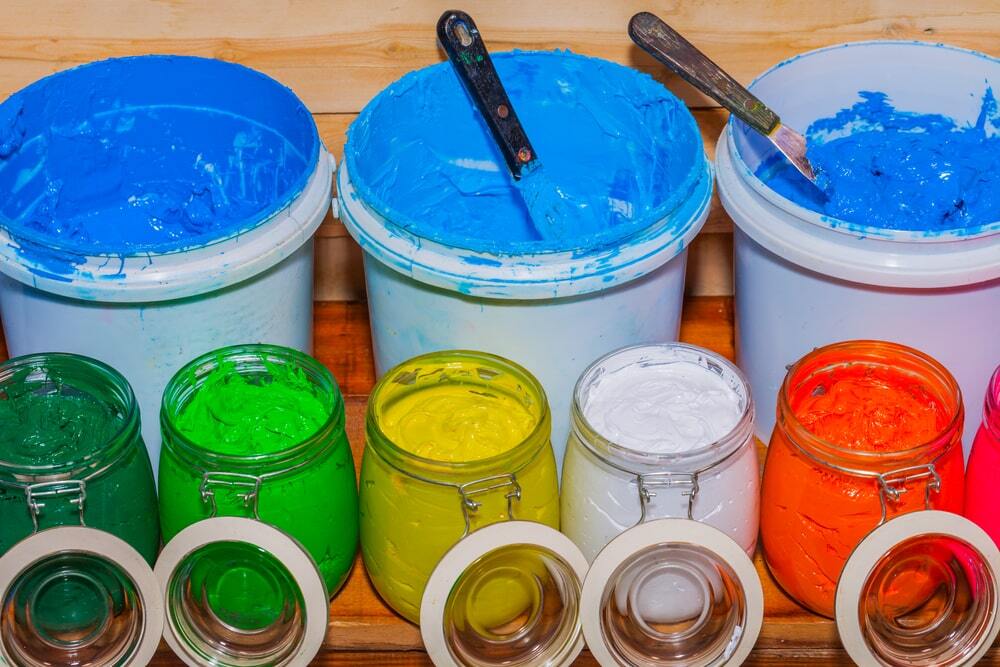
Liquid watercolors represent a dynamic medium that unlocks a spectrum of intensely saturated and luminous colors, offering a distinct advantage for artists seeking to achieve truly vibrant hues. Unlike their traditional pan counterparts, which require activation with water and often build color intensity through multiple layers, liquid watercolors are pre-dissolved pigments suspended in a liquid binder. This inherent characteristic allows for immediate and profound color payoff from the very first application.The primary distinction that contributes to the superior vibrancy of liquid watercolors lies in their pigment concentration and formulation.
These paints are designed to deliver a concentrated dose of pigment directly onto the painting surface. This means that a small amount of liquid watercolor can produce a significantly more intense and saturated color than an equivalent amount of pan watercolor, which typically contains a higher proportion of binder to pigment. This directness in color delivery translates into luminous, jewel-like tones that are difficult to replicate with other watercolor formats.The benefits of using liquid watercolors for achieving intense and saturated colors are manifold.
Artists can achieve deep, rich tones without the need for extensive layering, which can sometimes lead to muddying or a loss of transparency in traditional watercolors. This makes them ideal for creating striking contrasts, bold statements, and artwork where color is a primary focal point. Furthermore, their fluidity allows for seamless blending and gradient effects, enabling artists to transition between intensely saturated colors with remarkable ease.
The ability to achieve such vivid results efficiently also makes liquid watercolors a time-saving option for many projects.
Surface Suitability for Maximizing Color Vibrancy
The choice of surface plays a crucial role in how liquid watercolors perform and how effectively their inherent vibrancy can be showcased. Certain paper types are better equipped to handle the concentrated pigment and fluid nature of these paints, ensuring that the colors remain bright, clear, and uncompromised. The interaction between the pigment, the binder, and the paper’s absorbency and texture dictates the final appearance of the hue.For optimal color vibrancy, surfaces that possess a high degree of absorbency and a smooth to medium texture are generally preferred.
These surfaces allow the pigment to settle into the paper’s fibers without spreading excessively or diluting the color too much upon initial contact with the liquid.The following surfaces are particularly well-suited for painting with liquid watercolors to maximize color vibrancy:
- Heavyweight Watercolor Paper (300gsm or higher): This is the most recommended surface. Its substantial weight ensures it can withstand the moisture from liquid watercolors without buckling or warping significantly. The fibers in heavier papers are more robust and can hold the concentrated pigment effectively, preventing it from becoming overly diluted.
- Hot-Pressed Watercolor Paper: This type of paper is pressed with hot rollers during its manufacturing, resulting in a very smooth, almost non-textured surface. This smoothness allows the liquid watercolor to spread evenly and thinly, showcasing the full intensity of the pigment without being disrupted by paper tooth. It is excellent for fine detail and achieving a glassy, luminous finish.
- Bristol Paper (Vellum or Smooth): While not traditional watercolor paper, smooth Bristol paper can be an excellent option for liquid watercolors, especially for illustrative work or mixed media. Its dense, smooth surface is very absorbent and holds wet media well, allowing for vibrant, unblemished color application. However, it may not handle excessive water as gracefully as dedicated watercolor paper.
- Yupo Paper: This is a synthetic, waterproof paper that offers a unique painting experience. Liquid watercolors do not absorb into Yupo; instead, they sit on the surface. This allows for incredible color saturation and the ability to lift and move colors with ease. The colors appear exceptionally bright and pure on Yupo because they are not absorbed into the paper fibers.
This surface is ideal for achieving an almost enamel-like finish.
- Illustration Board: Similar to Bristol board, illustration board is a sturdy, often smooth surface that can accommodate liquid watercolors well. Its rigidity is beneficial for larger pieces, and the smooth surface allows for clean, vibrant color application.
When using these surfaces, artists can further enhance vibrancy by controlling the amount of water used. Applying liquid watercolors with minimal water or directly from the dropper can achieve the most intense saturation. For lighter tones, water can be introduced, but it is often best to do so by diluting the pigment on a separate palette rather than adding excessive water directly to the paper when aiming for maximum impact.
Essential Tools and Materials for Vibrant Liquid Watercolor Painting
To achieve truly vibrant and dynamic results with liquid watercolors, selecting the right tools and materials is paramount. These components work in synergy with the fluid nature of the medium, allowing for enhanced color application and breathtaking visual effects. This section will guide you through the primary instruments and surfaces that will elevate your liquid watercolor practice.The foundation of any successful painting lies in its supporting elements.
For liquid watercolors, the interaction between pigment, water, and surface dictates the final outcome. Understanding these relationships will empower you to make informed choices, leading to more predictable and brilliant creations.
Primary Tools for Color Application
The tools you use directly influence how the liquid watercolor pigment is applied and manipulated on your surface. Each has a role in controlling flow, creating texture, and building layers of color.
- Brushes: The choice of brush is critical. For liquid watercolors, brushes with good water-holding capacity and a soft, flexible tip are ideal. These allow for smooth, even washes and precise control over the diluted pigment.
- Water Containers: Having at least two containers is recommended: one for rinsing brushes and another for clean water to dilute your paints. This prevents muddying your colors and ensures maximum vibrancy.
- Palette: A palette is essential for mixing colors. Ceramic or porcelain palettes are excellent as they are non-porous and easy to clean, preventing staining. Plastic palettes can also work, but may stain over time.
- Spray Bottle: A fine-mist spray bottle filled with clean water is invaluable for re-wetting areas of your painting, reactivating dried pigment for blending, or creating subtle atmospheric effects.
- Paper Towels/Absorbent Cloths: These are used for controlling the amount of water on your brush, lifting excess pigment, and creating textural effects by dabbing or blotting.
Recommended Brushes for Liquid Watercolors
Certain brush types excel when working with the fluid nature of liquid watercolors, offering superior control and pigment handling.
- Round Brushes: These are versatile and come in various sizes. Smaller rounds are excellent for detail work and fine lines, while larger rounds can create smooth, consistent washes. Look for brushes with a good point that can hold a decent amount of liquid.
- Wash Brushes (Flat or Mop): These broad brushes are designed to cover large areas quickly and evenly, perfect for laying down foundational washes of color. A soft synthetic mop brush is particularly good for its ability to hold a lot of liquid and spread it smoothly.
- Calligraphy or Rigger Brushes: While not exclusively for washes, these fine-tipped brushes are useful for adding delicate details or crisp lines over dried washes, offering a nice contrast in texture and control.
The Importance of Water Quality
The quality of the water used in your liquid watercolor painting has a significant impact on the clarity and vibrancy of your colors.Water that contains a high mineral content, such as tap water in some regions, can interact with the pigments in unpredictable ways. These minerals can sometimes cause the pigments to separate or create an unwanted opaqueness, diminishing the luminous quality that liquid watercolors are known for.
Using distilled or demineralized water ensures that the pigments remain pure and suspended, allowing their true hues to shine through without interference. This leads to cleaner, more brilliant washes and a more professional finish.
“Pure water is the canvas for pure pigment.”
Surfaces for Liquid Watercolor Painting
The choice of surface plays a crucial role in how liquid watercolors behave, influencing their saturation, drying time, and overall appearance. Different surfaces have varying absorbency levels, which directly affect how the pigment is received and retained.
- Cold-Press Watercolor Paper (Medium Absorbency): This is a popular choice for liquid watercolors. Its textured surface allows for good pigment adhesion and provides a balance between allowing the paint to spread and absorb. It can handle multiple washes without excessive buckling, and the pigment saturation is generally excellent, resulting in vibrant hues.
- Hot-Press Watercolor Paper (Low Absorbency): This paper has a very smooth surface and absorbs water and pigment more slowly. This makes it ideal for achieving very smooth, even washes and for detailed work where precision is key. The colors tend to appear more luminous and saturated on hot-press paper because the pigment sits more on the surface.
- Heavyweight Bristol Board (Smooth or Vellum): While not traditional watercolor paper, Bristol board can be used. The smooth surface offers less resistance, and the pigment can spread more freely, leading to intense saturation. The vellum surface has a slight tooth, offering a bit more texture. These papers are less absorbent, so be mindful of overworking the paint, which can lead to a more plastic-like finish.
- Yupo Paper (Non-Absorbent): Yupo is a synthetic, non-absorbent surface. This allows liquid watercolors to sit on top, creating beautiful, fluid effects and allowing for extensive manipulation. Colors remain incredibly vibrant and can be easily lifted and moved. However, it requires a different approach, often involving spraying and tilting to achieve desired results, and it’s crucial to let layers dry completely to prevent reactivation.
The absorbency of your chosen surface will determine how quickly the water evaporates and how deeply the pigment sinks in. A more absorbent surface will lead to faster drying and potentially less intense saturation, while a less absorbent surface will allow the pigment to remain on the surface, yielding higher vibrancy and more blending time.
Techniques for Achieving Intense Color Saturation
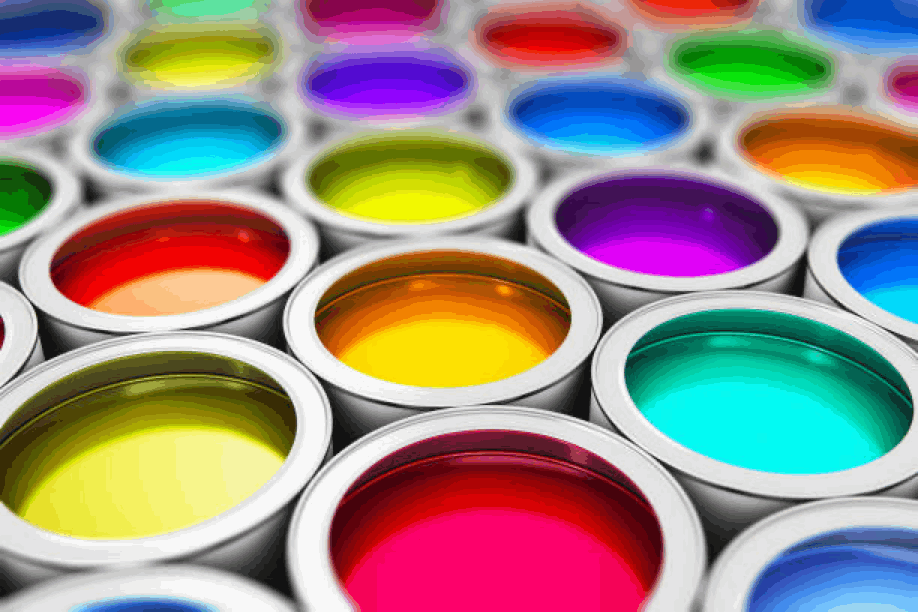
Achieving vibrant and intensely saturated colors with liquid watercolors is a hallmark of this medium, offering a luminosity that can be truly breathtaking. This section delves into the specific techniques that allow you to harness the full power of liquid watercolors, transforming your artwork with rich, unadulterated hues. By mastering these methods, you can elevate your paintings from subtly colored to brilliantly expressive.The key to intense saturation lies in understanding how pigment concentration, application methods, and layering interact.
Liquid watercolors, by their very nature, are highly concentrated pigment suspensions, making them ideal for creating bold and impactful color statements. However, it’s the skillful application of these concentrated pigments that unlocks their true potential for vibrancy.
Layering Liquid Watercolors for Depth and Intensity
Layering is a fundamental technique in watercolor painting, and with liquid watercolors, it offers a powerful way to build depth and intensity without sacrificing clarity or creating muddy effects. The transparent nature of watercolors means that subsequent layers will influence the appearance of the layers beneath them, allowing for a nuanced build-up of color.To effectively layer liquid watercolors and achieve intense saturation without muddiness, consider the following:
- Allow Layers to Dry Completely: This is the most crucial step to prevent colors from blending unintentionally and becoming muddy. A hairdryer on a cool setting can expedite this process.
- Use Diluted Washes for Initial Layers: Start with lighter, more diluted washes to establish the foundational color and form. This provides a base for subsequent, more concentrated layers.
- Apply Concentrated Pigment in Subsequent Layers: Once the initial layer is dry, apply subsequent layers using more concentrated liquid watercolor. This will add depth and vibrancy over the lighter base.
- Work from Light to Dark: Generally, it is easier to build intensity by layering lighter colors first and then adding darker, more saturated tones on top.
- Strategic Color Placement: Be mindful of how colors will interact when layered. Understanding color theory can help you predict the resulting hues and avoid accidental muddiness. For instance, layering a pure yellow over a pure blue will create a green, but layering a muddy brown over a vibrant red might result in a duller, less desirable tone.
- Glazing: This involves applying thin, transparent layers of color over a dry underlayer. Each glaze adds to the depth and richness of the color without obscuring the layers beneath.
The Wet-on-Wet Technique for Luminous Blended Effects
The wet-on-wet technique is particularly effective with liquid watercolors for creating soft, luminous, and seamlessly blended vibrant effects. This method involves applying wet paint onto a wet surface, allowing the colors to mingle and diffuse organically. The result is a beautiful, ethereal quality that is difficult to achieve with other methods.When employing the wet-on-wet technique with liquid watercolors, keep these points in mind:
- Control the Water: The amount of water on your paper and in your brush significantly impacts the spread and blending of the pigment. For more controlled blending, use less water. For a more diffused effect, use more water.
- Introduce Color Gradually: Apply your liquid watercolors in small increments to the wet paper. This allows you to observe how the colors spread and blend, giving you more control over the final outcome.
- Tilt and Rotate the Surface: Gently tilting or rotating your paper can encourage the colors to flow and blend in specific directions, creating dynamic and interesting patterns.
- Use Pure, Concentrated Pigments: Because the water will naturally dilute the colors, starting with highly concentrated liquid watercolors will help maintain vibrancy even as they blend.
- Experiment with Different Pigment Combinations: Observe how different colors interact when wet. Some combinations will create beautiful, unexpected hues, while others might become muted.
For instance, to create a sunset effect, you might wet a section of your paper and then introduce vibrant oranges, reds, and yellows using the wet-on-wet technique. The colors will bloom and blend together, creating a luminous and harmonious transition.
Controlling Pigment Concentration for Varying Saturation
The ability to control the concentration of liquid watercolors is paramount to achieving a wide range of saturation levels, from delicate washes to intensely bold statements. Liquid watercolors are essentially pre-diluted pigments, meaning you can further dilute them with water or use them straight from the bottle for maximum intensity.Methods for controlling pigment concentration include:
- Direct Application: Using the liquid watercolor directly from the bottle or dropper without any added water provides the highest level of pigment concentration and thus, the most intense saturation. This is ideal for focal points or areas where you want a strong color impact.
- Dilution with Water: Adding water to the liquid watercolor allows you to control the intensity. A small amount of water will create a more saturated wash, while a larger amount will result in a lighter, more transparent hue. You can experiment with ratios to find the desired saturation.
- Pigment to Water Ratios: Develop an intuitive understanding of pigment-to-water ratios. For example, a ratio of 1:1 (one part pigment to one part water) will be more saturated than a 1:3 ratio.
- Using a Palette or Mixing Dish: Always mix your diluted colors in a separate palette or mixing dish. This prevents contamination of your original liquid watercolor bottles and allows for precise control over the dilution.
- “Swatching” Colors: Before applying color to your artwork, create small swatches on scrap paper to test the saturation level and ensure it matches your intention.
The intensity of liquid watercolors is directly proportional to the amount of pigment relative to the amount of diluent (water). Maximizing pigment and minimizing water yields the most vibrant results.
Wet-on-Dry Versus Wet-on-Wet Application with Liquid Watercolors
Understanding the differences between wet-on-dry and wet-on-wet application is crucial for achieving specific vibrancy outcomes with liquid watercolors. Each technique offers distinct characteristics and is suited for different artistic goals.
Wet-on-Dry Application
This technique involves applying wet paint onto a dry surface. It offers a high degree of control and is excellent for creating sharp edges, defined shapes, and building up layers of color with precision.
- Vibrancy Outcome: Colors applied wet-on-dry tend to appear more intense and saturated because the pigment is concentrated on the dry paper without immediate dilution from water already on the surface. The edges are crisp, allowing the pure color to stand out.
- Best for: Fine details, sharp lines, controlled washes, creating defined forms, and building opaque layers.
- Example: Painting the sharp petals of a flower or the crisp Artikels of architectural elements.
Wet-on-Wet Application
As discussed earlier, this involves applying wet paint onto a wet surface. The colors bleed and blend softly, creating a luminous and atmospheric effect.
- Vibrancy Outcome: While the colors themselves are still vibrant, the overall impression can be softer and more diffused due to the blending and dilution. The vibrancy is in the luminous glow and the harmonious transitions between hues rather than sharp, bold statements.
- Best for: Creating soft backgrounds, atmospheric effects, blending gradients, capturing the essence of light and mist, and achieving ethereal qualities.
- Example: Painting a misty landscape, the soft glow of a sunrise, or the blended colors of a butterfly’s wing.
Comparing the two:
| Technique | Vibrancy Characteristics | Control Level | Typical Use Cases |
|---|---|---|---|
| Wet-on-Dry | Intense, bold, crisp, pure color | High | Details, sharp edges, defined shapes, layered opacity |
| Wet-on-Wet | Luminous, soft, blended, atmospheric | Moderate to Low | Soft backgrounds, gradients, atmospheric effects, diffused forms |
By strategically choosing between these two fundamental techniques, artists can effectively control the visual impact and vibrancy of their liquid watercolor paintings, tailoring their approach to achieve the desired aesthetic.
Color Mixing Strategies for Maximum Vibrancy
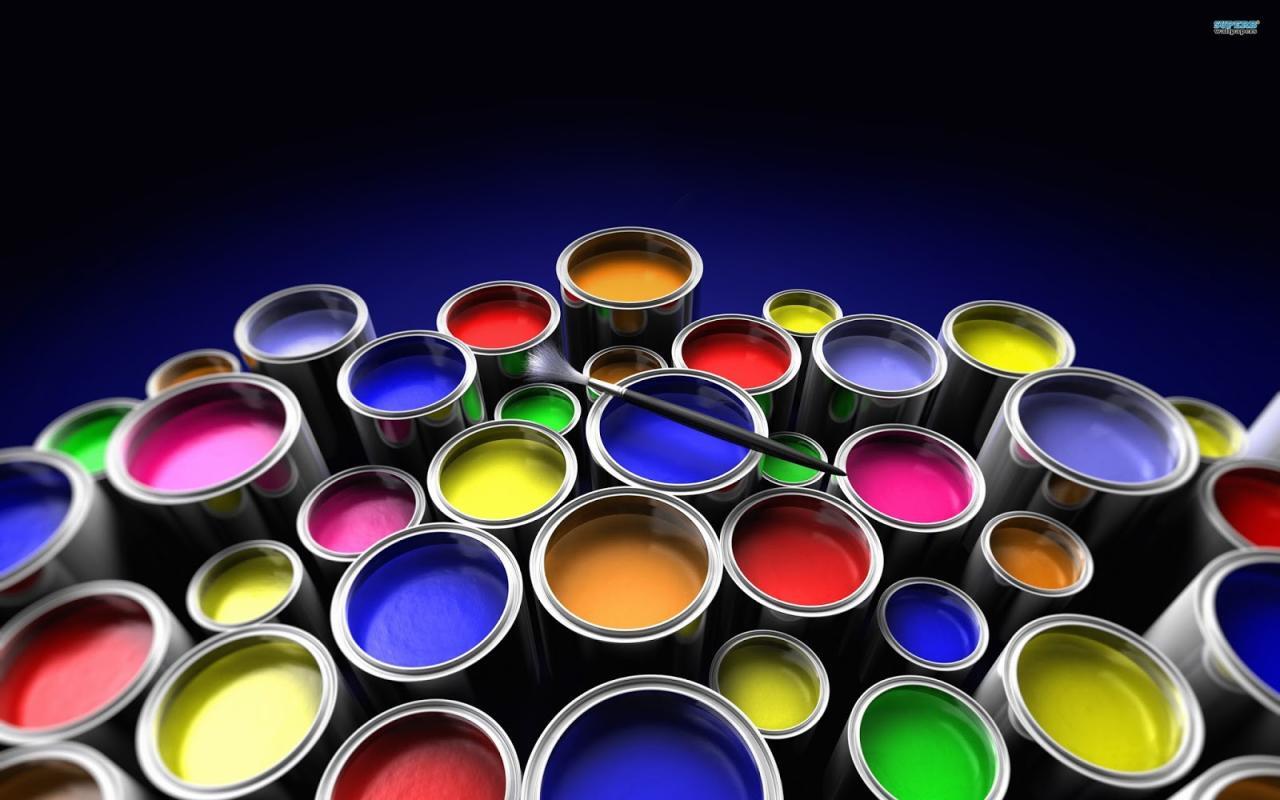
Achieving truly vibrant hues with liquid watercolors is an art form that hinges on strategic color mixing. Unlike their tube counterparts, liquid watercolors offer unparalleled intensity straight from the bottle, but understanding how to combine them is key to unlocking their full potential for brilliance. This section delves into the techniques that will elevate your color mixing from good to spectacular.Liquid watercolors, due to their concentrated pigment, allow for incredible depth and luminosity.
By employing thoughtful mixing strategies, you can expand your palette dramatically and ensure that every color you use sings with intensity. We will explore how to build a comprehensive color guide, leverage a limited palette effectively, create luminous glazes, and mix pure, unadulterated colors.
Designing a Color Mixing Guide for Brilliant Hues
A well-designed color mixing guide is an indispensable tool for any artist working with liquid watercolors. It serves as a visual roadmap, illustrating how specific combinations yield the most brilliant secondary and tertiary colors. This guide should be a practical reference, showcasing not just the resulting colors but also the proportions used to achieve them.To create an effective guide, begin with your primary colors: red, yellow, and blue.
Mix each primary with a secondary color (orange, green, violet) and then with another primary to create tertiary colors. For instance, mixing a vibrant red with a bright yellow will produce a fiery orange. To achieve the most brilliant oranges, consider using a red with a warm undertone and a yellow that leans towards orange. Similarly, a pure blue mixed with a bright yellow will yield a vivid green.
The key to brilliance here is using blues with a slight green undertone and yellows that are not too muddy. Violet can be achieved by mixing a pure red with a pure blue; the resulting vibrancy depends heavily on the saturation of the starting colors.The guide should also include examples of complementary color mixing, which, when used judiciously, can create stunning grays and muted tones that make pure colors pop by contrast.
However, for maximum vibrancy, focus on mixing colors that are adjacent on the color wheel or those that share a common pigment.
Utilizing a Limited Palette for a Wide Spectrum of Vibrant Hues
The notion that a limited palette restricts creativity is often untrue, especially with the intensity of liquid watercolors. A carefully chosen limited palette can actually enhance your ability to achieve a vast range of vibrant colors by forcing you to understand the fundamental relationships between pigments. This approach cultivates a deeper understanding of color theory and promotes intentional mixing.Select a core set of 3-5 highly saturated liquid watercolors that represent your primary and secondary colors, along with perhaps a neutral or a specific vibrant hue you use frequently.
For example, a palette of Cadmium Red Hue, Hansa Yellow Light, Ultramarine Blue, and a vibrant green could form the basis of an extensive range. By mastering the mixes between these few colors, you can generate a multitude of secondary and tertiary shades.Consider the following example of a limited palette expansion:
- Starting with Cadmium Red Hue and Hansa Yellow Light, you can create a range of oranges from a pale peach to a deep, fiery hue.
- Mixing Hansa Yellow Light and Ultramarine Blue will yield a spectrum of greens, from a bright, lemony chartreuse to a deep forest green.
- Combining Cadmium Red Hue and Ultramarine Blue allows for the creation of violets and purples, varying from a soft lavender to a rich, deep amethyst.
By understanding the undertones of each color in your limited palette, you can predict and control the outcome of your mixes with greater accuracy, ensuring that each hue remains bright and uncompromised.
Creating Luminous Glazes to Enhance Color Brilliance
Glazing is a technique where thin, transparent layers of color are applied over dried layers. With liquid watercolors, this method is exceptionally effective for building depth and luminosity, making underlying colors appear to glow. The transparency of liquid watercolors is paramount to this process, allowing light to reflect off the underlying pigment, thereby enhancing its brilliance.To create luminous glazes, start with a vibrant base color.
Once completely dry, apply a very dilute wash of another color over it. The key is to use a significant amount of water and only a tiny drop of pigment. The resulting glaze should be so thin that the base color still shows through prominently, but the hue of the glaze subtly alters or intensifies the original color.For example, to make a red appear more luminous, you might apply a very thin glaze of a bright yellow or even a touch of orange over a dried red base.
This doesn’t turn the red into orange, but rather it adds a radiant warmth. Similarly, a thin glaze of a cool blue over a green can deepen its vibrancy and introduce a subtle coolness, making it appear more jewel-like.
The principle of glazing for vibrancy lies in layering transparent hues, allowing light to pass through multiple layers and reflect back, amplifying the perceived intensity of the pigments.
It is crucial to ensure each layer is thoroughly dry before applying the next to prevent muddying and to maintain the distinctness of each glaze.
Mixing “Pure” Colors with Liquid Watercolors to Avoid Dullness
The inherent intensity of liquid watercolors means that achieving “pure” colors—those that are uncompromised by muddiness or dullness—is more attainable than with many other mediums. However, certain mixing habits can inadvertently lead to desaturated or dull results. Avoiding these pitfalls is essential for maintaining the vibrancy of your work.Dullness often arises from overmixing, especially when mixing complementary colors without intention.
While complementary colors can create beautiful neutrals, mixing them indiscriminately can lead to muddy browns and grays. To avoid this, always start with a small amount of pigment and add more gradually. When mixing, aim to combine colors that are close on the color wheel or share a common pigment.For instance, to mix a vibrant green, instead of combining a dull yellow with a dull blue, use your brightest yellow and your most saturated blue.
If you need a slightly muted green, add a minuscule amount of its complement (red) or a touch of a neutral gray, rather than a large quantity of a dull color.Consider the following scenario for mixing a vibrant purple:
- To achieve a pure, vibrant purple, start with a saturated red (like a Cadmium Red Hue) and a saturated blue (like Ultramarine Blue).
- Mix them in proportions that favor the desired purple hue, adding water to control the value.
- If the purple appears too dull, it’s likely due to one of the base colors having a muted undertone or an excess of a complementary pigment.
- For a “purer” result, try using a different red or blue, or ensure that your initial mix is precise and minimal in terms of pigment quantity.
By understanding the undertones of your liquid watercolors and by mixing with precision and intention, you can ensure that every color you create remains as brilliant and unadulterated as possible.
Creating Special Effects with Vibrant Liquid Watercolors
Liquid watercolors, with their inherent fluidity and intense pigmentation, offer a remarkable playground for creating captivating special effects. Moving beyond flat washes, these mediums allow for dynamic textures, luminous highlights, and enchanting visual illusions. This section explores advanced techniques to elevate your vibrant liquid watercolor paintings into truly extraordinary pieces.Liquid watercolors are exceptionally well-suited for creating a variety of dynamic visual effects that can add depth, texture, and intrigue to your artwork.
By understanding and applying specific techniques, you can transform simple washes into complex and engaging compositions.
Gradient Washes with Sustained Saturation
Achieving smooth, saturated gradients from start to finish with liquid watercolors requires careful control of water-to-pigment ratio and application technique. The goal is to maintain the intensity of the color throughout the transition, avoiding muddying or significant lightening.To create these vibrant gradients, begin by mixing your desired colors with minimal water. The higher the concentration of pigment, the more saturated the gradient will be.
Apply the darkest color first to the area where you want the most intensity. Then, gradually introduce water to your brush and progressively blend into the lighter areas. It’s crucial to work quickly while the paper is still wet to allow the colors to meld seamlessly. For an even smoother transition and to maintain saturation, consider using a spray bottle filled with a diluted version of your color to re-wet areas as you work, or to gently push the pigment.
Adding Highlights and Accents with Opaque Mediums
Highlights and accents are vital for bringing life and dimension to vibrant liquid watercolor paintings, making them pop and creating focal points. While liquid watercolors are transparent, opaque mediums provide a perfect contrast to these luminous hues.For adding bright highlights and sharp accents, opaque mediums such as white gouache or opaque white watercolor are ideal. These can be applied once the underlying liquid watercolor layers are completely dry.
A fine-tipped brush is recommended for precise application. You can also use a lifting technique by gently dabbing away excess pigment with a damp brush or a clean cloth while the wash is still wet, though this is more effective with certain pigments. For opaque white accents, consider using a high-quality white gouache that offers excellent coverage and brilliance.
Achieving Metallic and Iridescent Effects
The inherent luminosity of liquid watercolors can be further enhanced with metallic and iridescent mediums, adding a touch of magic and sophistication to your artwork. These effects can catch the light beautifully, creating dynamic shifts in color and sheen.To achieve metallic effects, you can incorporate metallic watercolors or metallic inks directly into your liquid watercolor palette. Many brands offer metallic pigments that can be mixed with liquid watercolors to create shimmering hues.
Alternatively, you can use metallic or iridescent mediums as a top layer. Apply them with a fine brush or a sponge to areas where you want a metallic sheen, such as on jewelry, armor, or celestial elements. Experiment with different metallic colors like gold, silver, copper, or even iridescent blues and greens for a captivating otherworldly glow.
Textural Vibrancy with Salt and Alcohol
Incorporating salt and alcohol into wet liquid watercolor washes introduces unique and unpredictable textural patterns, adding a layer of visual interest and vibrant complexity to your paintings. These techniques work by disrupting the flow of the pigment as it dries.Here is a step-by-step procedure for incorporating salt or alcohol into wet liquid watercolor washes:
- Prepare your wash: Mix your liquid watercolors to your desired vibrancy and apply a generous, wet wash to your watercolor paper. Ensure the paper is sufficiently damp to allow the effects to bloom.
- Apply the effect medium:
- For Salt Effects: While the wash is still very wet, sprinkle coarse or fine salt crystals directly onto the wet paint. Different salt sizes will create different patterns. Coarse salt tends to create larger, starburst-like patterns, while fine salt produces smaller, more delicate textures.
- For Alcohol Effects: Using a dropper or a brush, carefully drop small amounts of rubbing alcohol (isopropyl alcohol) onto the wet wash. The alcohol will push the pigment away, creating interesting starbursts, cells, or feathered edges. Avoid flooding the area with alcohol; small, controlled applications yield the best results.
- Allow to dry completely: Resist the urge to touch or move the paper while the wash is drying. The magic happens as the water evaporates.
- Remove excess material: Once the paper is completely dry, gently brush away any salt crystals. The alcohol will have evaporated on its own.
- Evaluate the results: Observe the unique patterns and textures created. These can be incorporated as background elements, atmospheric effects, or unique abstract designs within your vibrant liquid watercolor paintings.
Preserving and Enhancing Vibrant Liquid Watercolor Paintings
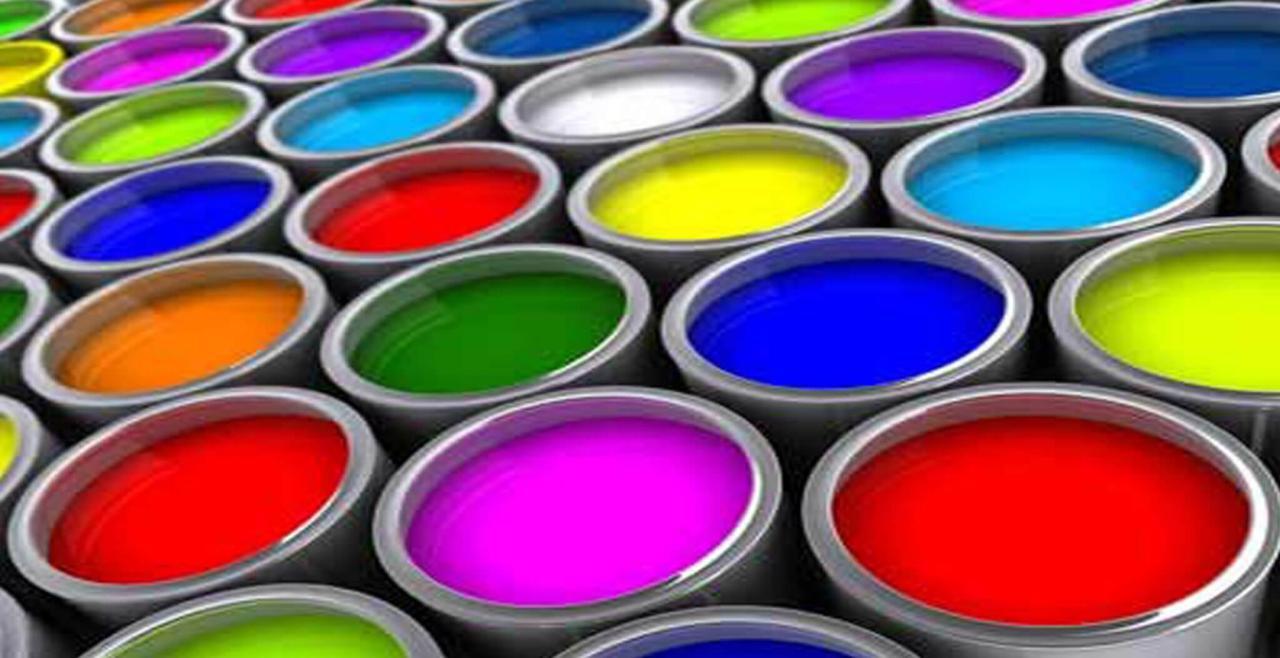
Ensuring your vibrant liquid watercolor creations stand the test of time is a crucial final step in the artistic process. Proper drying, protective varnishing, and thoughtful framing will safeguard your artwork’s brilliance and ensure it remains a captivating visual experience for years to come. This section will guide you through these essential preservation techniques.Liquid watercolors, due to their fluid nature and high pigment concentration, can be susceptible to fading or color shifts if not dried correctly.
The goal is to allow the water to evaporate evenly without causing the pigments to migrate or the paper to buckle excessively.
Drying Liquid Watercolor Paintings
The drying process for liquid watercolors requires careful attention to prevent damage and maintain the integrity of your vibrant hues. Proper air circulation and avoiding direct heat are paramount.Before proceeding with drying, ensure that all layers of paint are thoroughly dry to the touch. This may take longer than with traditional watercolors, especially with heavily saturated applications.
- Air Drying: The most recommended method is to allow the painting to air dry naturally in a well-ventilated area. Position the painting horizontally on a flat surface, such as a drying rack or a clean, dry table. Avoid leaning it against a wall, as this can restrict airflow and lead to uneven drying.
- Fan Assistance: For faster drying, a gentle fan can be used, but it should not be directed straight at the painting. A light, indirect breeze will help to circulate air and speed up evaporation without disturbing the pigment or causing rapid, uneven drying that could lead to cracking or pigment migration.
- Avoiding Direct Heat: Never use a hairdryer on high heat or place the painting near a radiator or in direct sunlight to speed up drying. Intense heat can cause the pigments to bake onto the paper, potentially altering their vibrancy or causing them to become brittle. Direct sunlight is also a significant cause of fading over time.
- Paper Considerations: The type of paper used will also influence drying time and potential for buckling. Heavier weight papers, such as 300gsm or above, are more resistant to buckling. If buckling occurs, gentle flattening techniques can be employed after the painting is completely dry.
Varnishing and Sealing Liquid Watercolor Artwork
Varnishing is an essential step to protect the vibrant colors of your liquid watercolor paintings from environmental factors and to enhance their overall appearance. A good varnish acts as a barrier against dust, UV light, and moisture, while also potentially deepening colors and adding a uniform sheen.It is crucial to select a varnish specifically designed for watercolors or acrylics, as some solvents in other varnishes can react negatively with the pigments and paper.
Always test the varnish on a scrap piece of paper painted with the same liquid watercolors before applying it to your finished artwork.
- Varnish Types:
- Spray Varnishes: These are convenient and offer an even application. Look for archival quality, UV-resistant spray varnishes. They are available in matte, satin, or gloss finishes. Multiple thin coats are preferable to one heavy coat.
- Brush-on Varnishes: These offer more control but require careful application to avoid brush strokes. Ensure you use a soft, high-quality brush and apply in thin, even layers.
- Application Process:
- Ensure the painting is completely dry, ideally for at least 24-48 hours after the final drying stage.
- Work in a well-ventilated area, away from dust and direct sunlight.
- For spray varnishes, hold the can at the recommended distance (usually 10-12 inches) and apply in a sweeping motion, overlapping each stroke. Apply several light coats, allowing adequate drying time between each.
- For brush-on varnishes, apply thin, even coats, brushing in one direction. Avoid overworking the paint.
- UV Protection: Look for varnishes that explicitly state UV protection. This is vital for preventing the vibrant colors from fading when exposed to light over time.
- Finish Selection:
- Matte: Reduces glare and provides a natural, non-reflective finish.
- Satin: Offers a slight sheen, enhancing colors without being overly reflective.
- Gloss: Deepens colors and provides a high-shine finish, making colors appear more luminous.
The choice of finish is largely a matter of personal preference and the desired effect for your artwork.
“Archival quality, UV-resistant varnishes are the best defense against the ravages of light and environmental pollutants, preserving the initial vibrancy of your liquid watercolor masterpieces.”
Framing and Displaying Vibrant Liquid Watercolor Pieces
Proper framing is not just about aesthetics; it’s a critical component of preserving your artwork and maintaining its visual impact. The right framing choices will protect your painting from environmental damage and enhance its presentation.When selecting framing materials, prioritize archival quality to ensure the longevity of your artwork. This means using materials that will not degrade or damage the painting over time.
- Matting:
- Use acid-free, archival quality mats. Standard cardboard mats can leach acid onto the artwork, causing discoloration and deterioration.
- A mat provides a visual buffer between the artwork and the frame, drawing the viewer’s eye to the painting and preventing the artwork from touching the glass.
- Consider the color of the matting carefully; a neutral white or off-white often complements vibrant colors without competing with them.
- Glazing:
- Opt for UV-protective glass or acrylic (plexiglass). This type of glazing filters out a significant portion of harmful UV rays, which are a primary cause of fading in pigments.
- Museum glass offers the highest level of UV protection and also has anti-reflective properties, allowing for a clearer view of the artwork.
- Ensure there is a small gap between the artwork and the glazing, often achieved through the matting, to prevent moisture buildup and potential sticking.
- Frame Material:
- Choose frames made from stable materials that will not off-gas harmful chemicals. Wood frames are a popular choice, but ensure they are sealed to prevent any potential acid transfer.
- The style and color of the frame should complement the artwork without overpowering it.
- Display Location:
- Avoid displaying vibrant liquid watercolor paintings in areas with direct sunlight or high humidity. Bathrooms and kitchens are generally not ideal locations.
- Consistent room temperature and humidity levels are beneficial for artwork preservation.
Epilogue
As we conclude our exploration of How to Paint with Liquid Watercolors for Vibrant Hues, we hope you feel inspired and equipped to harness the full potential of these remarkable mediums. The journey through layering, mixing, and special effects has hopefully illuminated the path to creating artwork that truly sings with color. Remember, the key lies in understanding the pigments, embracing experimentation, and allowing your creativity to flow as freely as the liquid watercolors themselves.
Go forth and paint with confidence, bringing your most vibrant visions to life.