How to Sketch a Portrait Before Using Watercolors sets the stage for this enthralling narrative, offering readers a glimpse into a story that is rich in detail with formal and friendly language style and brimming with originality from the outset.
Embarking on the journey of watercolor portraiture begins with a foundational step: the sketch. This preliminary drawing is not merely an Artikel but a crucial blueprint that dictates the success of your final artwork. Understanding its importance, selecting the right tools, and mastering the art of capturing likeness are essential skills that pave the way for vibrant and expressive watercolor paintings.
This guide will walk you through each vital stage, from initial proportion studies to refining details, ensuring your portrait sketch is a confident prelude to your watercolor masterpiece.
Understanding the Importance of the Sketch
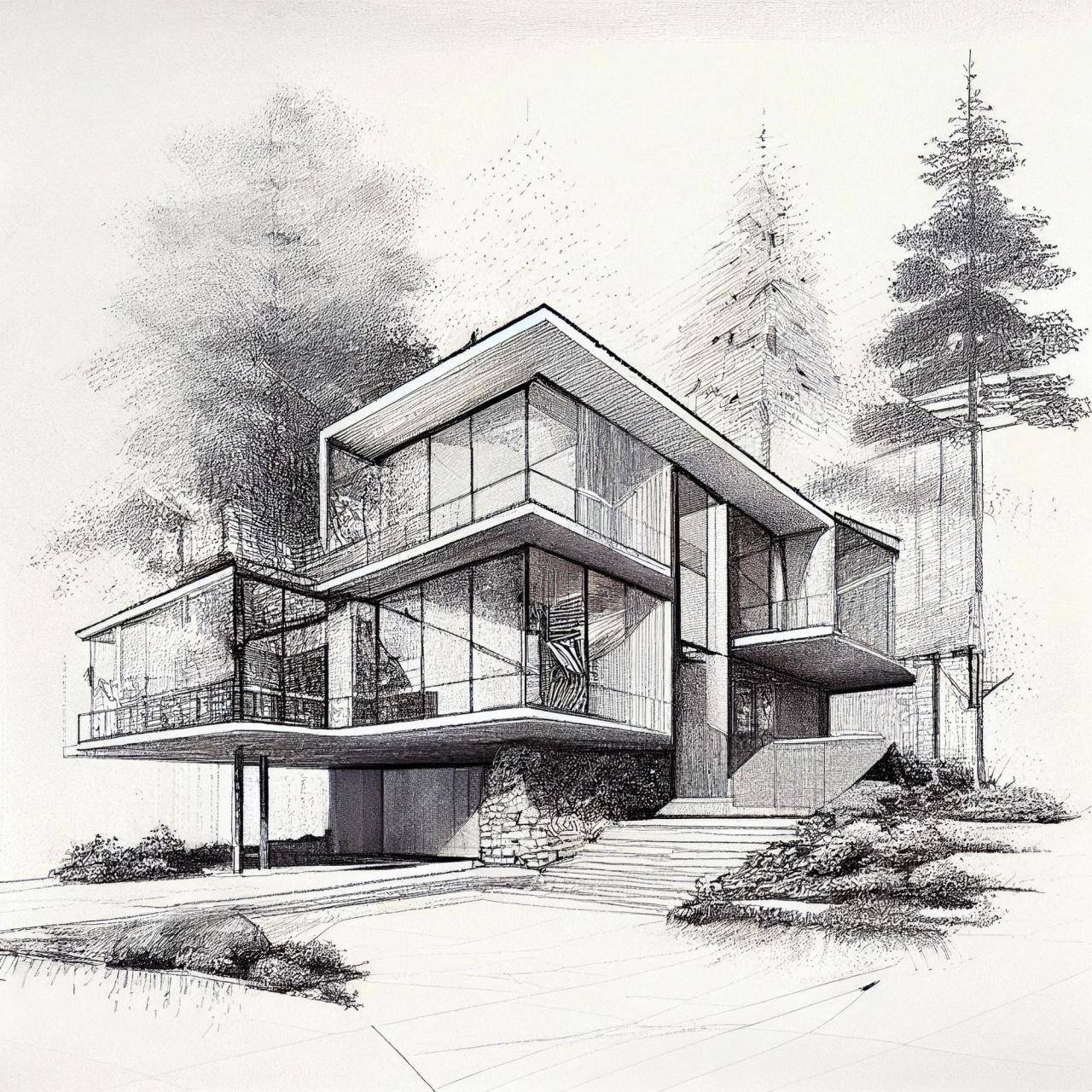
The preliminary sketch is the foundational blueprint for any watercolor portrait. It is the critical first step that lays the groundwork for a successful and accurate painting, ensuring that every subsequent brushstroke is informed and purposeful. Without a well-considered sketch, watercolor can quickly become a series of unpredictable washes, making it challenging to achieve likeness and desired tonal transitions.A robust sketch serves as a roadmap, guiding the artist through the complexities of form, light, and shadow.
It allows for the precise placement of features, the definition of bone structure, and the subtle nuances of expression that bring a portrait to life. This initial drawing phase is where the artist makes crucial decisions about composition, perspective, and the overall mood of the piece, which are far more difficult to correct once watercolor has been applied.
Guiding Color Application and Value Placement
The sketch is indispensable for dictating where and how colors will be applied and how values will be distributed. It acts as a visual guide for the intensity and temperature of colors, as well as the depth of shadows and the brilliance of highlights. By understanding the underlying structure and tonal relationships established in the sketch, the artist can confidently build up layers of transparent watercolor, achieving luminous and realistic effects.A well-executed sketch will pre-emptively map out the major value areas, from the darkest shadows to the lightest skin tones.
This foresight is particularly vital in watercolor, where lifting color can be challenging. The sketch helps to prevent overworking areas and ensures that the final painting possesses a harmonious range of values that define form and create a sense of three-dimensionality.
Achieving Likeness Through a Well-Executed Sketch
The accuracy of a portrait’s likeness is intrinsically tied to the quality of its preliminary sketch. A detailed and precise drawing captures the unique characteristics of the subject’s face, including the subtle curves of the lips, the shape of the eyes, and the specific angles of the nose and jawline. These precise measurements and proportions are paramount for creating a recognizable representation.When the sketch accurately reflects the subject’s features, the subsequent application of color and value becomes a process of refinement rather than correction.
This allows the artist to focus on capturing the personality and spirit of the sitter, rather than struggling to fix fundamental drawing errors. A strong sketch ensures that the final watercolor portrait is not just a pleasing image, but a true likeness of the individual.
“The sketch is the skeleton upon which the flesh of color will be laid.”
Essential Sketching Tools and Materials
Before you can translate your vision onto paper with watercolors, a strong foundational sketch is paramount. The right tools can significantly enhance your ability to capture likeness, form, and proportion, making the subsequent painting process smoother and more rewarding. Selecting appropriate materials ensures your sketch serves as a reliable guide, not a hindrance.This section delves into the crucial sketching implements and surfaces that will form the backbone of your portraiture practice, offering insights into their specific roles and benefits.
Pencils and Drawing Media
The choice of drawing medium profoundly impacts the look and feel of your sketch, influencing line quality, tonal range, and the ease with which you can make corrections. Understanding the characteristics of different pencils and drawing sticks will empower you to select the best tool for each stage of your sketching process.Commonly used drawing media for portrait sketching include:
- Graphite Pencils: These are the workhorses of sketching. They are graded by hardness and blackness, indicated by numbers and letters.
- H Pencils (Hard): Such as 2H, 4H, 6H. These produce lighter, finer lines and are excellent for initial layout and delicate details where smudging is undesirable.
- HB Pencil: A good all-rounder, offering a balance between hardness and darkness, suitable for general sketching and mid-tones.
- B Pencils (Black/Soft): Such as 2B, 4B, 6B, 8B. These yield darker, softer lines and are ideal for creating shadows, rich tones, and expressive marks. The softer the lead, the darker and more easily it smudges.
- Charcoal: Offers a rich, velvety black and a broad tonal range. It can be applied in sticks or pencils.
- Vine Charcoal: Very soft and easily erasable, ideal for loose, gestural sketches and initial blocking-in of forms.
- Compressed Charcoal: Denser and darker than vine charcoal, it provides deeper blacks and more control for refined shading.
- Graphite Sticks: These are solid blocks of graphite, offering a wide, expressive mark and excellent for covering large areas quickly with tonal values. They are available in various softness grades.
Paper Types for Sketching
The surface you sketch on is as important as the drawing tool itself. The paper’s texture (tooth) and thickness (weight) will affect how the medium adheres, how easily you can erase, and the overall durability of your sketch.Consider these factors when choosing paper:
- Tooth: This refers to the surface texture of the paper.
- “Hot-pressed” or “Smooth” paper: Has a very smooth surface with little to no tooth. It’s excellent for fine detail and crisp lines, but may not hold as much dry media like charcoal or heavy graphite.
- “Cold-pressed” or “Medium” paper: Offers a moderate amount of tooth, providing enough grip for pencils and charcoal to adhere well while still allowing for smooth blending. This is often a good compromise for portrait sketching.
- “Rough” paper: Has a pronounced texture. It’s excellent for charcoal and pastels, creating a grainy effect, but can make fine linework challenging.
- Weight: Measured in pounds (lb) or grams per square meter (gsm).
- Lighter weights (e.g., 60-90 lb / 90-150 gsm): Suitable for quick studies and dry media, but can buckle if too much liquid is applied, even from erasing.
- Heavier weights (e.g., 100 lb and up / 200 gsm and up): More durable, less prone to buckling, and can withstand more aggressive erasing or even light washes if you plan to incorporate them later. For portrait sketching, a medium to heavy weight paper is generally recommended.
Erasers and Their Uses
Erasers are not just for correcting mistakes; they are also powerful tools for lifting graphite and charcoal, creating highlights, and refining edges. Having a selection of erasers allows for greater control and versatility in your sketching.Here are common erasers and their specific applications in portraiture:
- Kneaded Eraser: This is a pliable, putty-like eraser that can be molded into various shapes.
- Uses: Excellent for lifting graphite and charcoal gently without damaging the paper’s surface. It can be used to lighten areas of tone, create soft highlights, and achieve subtle gradations. By dabbing rather than rubbing, it prevents smudging.
- Plastic/Vinyl Eraser: These are firm, non-abrasive erasers that produce clean, sharp erasing.
- Uses: Ideal for precise corrections and creating sharp highlights, such as the glint in an eye or the edge of a highlight on a cheekbone. They are also effective for removing graphite lines completely.
- Gum Eraser: A softer, more abrasive eraser that tends to crumble as it erases.
- Uses: Can be effective for general erasing, but its crumbling nature can sometimes leave debris. It’s less commonly favored for detailed portrait work compared to kneaded or plastic erasers.
- Eraser Pencil/Pen: These are pencil-shaped erasers with a fine tip.
- Uses: Perfect for very fine details and intricate areas where precision is needed, such as individual strands of hair or small highlights.
Basic Portrait Proportions and Structure
Understanding the fundamental proportions of the human head is crucial for creating believable and accurate portraits. This knowledge acts as a blueprint, guiding the placement and scale of all facial features, ensuring a harmonious and lifelike representation before you even pick up a brush.The human head, when viewed from the front, can be remarkably simplified using basic geometric shapes. This approach provides a solid framework upon which to build more complex details.
By mastering these foundational principles, you establish a strong structure that will prevent common proportional errors and lend a sense of realism to your artwork.
Establishing Head and Facial Proportions with Geometric Shapes
The process of sketching a portrait begins with establishing the overall shape and proportions of the head. Using simple geometric forms helps to quickly define the head’s dimensions and the placement of major features, providing a reliable guide for subsequent detailing.The most common starting point is an oval or an egg shape, representing the cranium. For frontal views, this oval is often slightly wider at the top and tapers towards the chin.
To divide this shape accurately and place key features, several guidelines can be employed:
- The Midline: Draw a vertical line down the center of the oval. This line helps ensure symmetry and is essential for placing features like the nose and mouth centrally.
- The Eye Line: A horizontal line drawn halfway down the oval typically indicates the position of the eyes.
- The Nose Line: The bottom of the nose is usually found about halfway between the eye line and the bottom of the chin.
- The Mouth Line: The mouth is generally positioned about one-third of the way down from the nose line to the chin.
- The Brow Line: The eyebrows are typically located just above the eye line.
These guidelines are not absolute rules but rather common averages. Variations exist among individuals, but they serve as an excellent starting point for most portraits.
Placement and Relative Sizes of Key Facial Features
Once the basic head shape and proportional lines are established, the next step is to accurately place and size the individual facial features. This involves understanding their relationship to each other and to the established guidelines.The eyes are a focal point and are often the most expressive feature. On the eye line, the width of one eye is generally equivalent to the space between the two eyes.
This means that, on average, five “eye-widths” can fit across the face at the eye line.The nose, situated below the eye line, is typically as wide at its base as the distance between the inner corners of the eyes. Its length is determined by the proportion from the brow to the tip, which is roughly equal to the distance from the bottom of the nose to the chin.The mouth’s width is often determined by drawing vertical lines down from the center of each pupil.
The corners of the mouth generally align with these lines. The upper lip is typically thinner than the lower lip.Ears are often overlooked but are crucial for a complete portrait. When the head is in a neutral, forward-facing position, the top of the ear aligns with the brow line, and the bottom of the ear aligns with the nose line.
Constructing the Skull’s Underlying Structure
Beneath the soft tissues of the face lies the skeletal structure of the skull, which dictates the underlying form and planes of the head. Understanding this structure is vital for creating a three-dimensional and convincing portrait, even when sketching.The skull is not a simple sphere; it has distinct planes and volumes. When sketching, it’s helpful to think of the head as a series of interlocking shapes.
- The Cranium: Start with a sphere or an egg shape for the cranium, representing the braincase.
- The Jawbone (Mandible): Attach a U-shaped structure to the bottom of the cranium to represent the jaw. This connects at the temporomandibular joint, located just in front of and slightly below the ear.
- The Cheekbones (Zygomatic Arches): These prominent bones extend from the sides of the face, below the eyes, and connect to the temporal bone. They create the width of the face.
- The Brow Ridge: The frontal bone forms a slight protrusion above the eye sockets, creating the brow ridge.
- The Nose Cavity: The nasal bone forms a bridge over the nasal cavity, which is a recessed area.
- The Eye Sockets (Orbits): These are deep, somewhat spherical cavities that house the eyeballs.
Visualizing these underlying bones helps to understand how light and shadow will fall on the face, and how features will be positioned in relation to each other, contributing to a more accurate and grounded sketch. For instance, the curve of the cheekbone influences the shape of the cheek, and the structure of the jawline defines the overall shape of the lower face.
“Structure dictates form, and form guides light.”
This principle highlights the importance of understanding the underlying skeletal structure before adding superficial details.
Capturing Likeness Through Observation
Successfully translating a subject’s unique features onto paper is the cornerstone of portraiture. This stage moves beyond generic proportions to focus on the individual nuances that make a face recognizable. It requires a keen eye for detail and a systematic approach to observation, ensuring that the sketch truly reflects the person you are drawing.The process of capturing likeness is an active dialogue between your subject and your sketchbook.
It involves not just seeing, but truly observing, and then translating those observations into confident lines and shapes. This careful study will form the foundation for your watercolor application, allowing the colors to enhance, rather than create, the likeness.
Identifying Unique Characteristics
Every face is a tapestry of individual traits. Recognizing and sketching these defining features is paramount to achieving a strong likeness. This involves looking beyond the standard anatomical markers and delving into the subtle variations that contribute to a person’s unique appearance.Consider the following aspects when observing and sketching:
- Eye Shape and Placement: Observe the unique curve of the eyelids, the depth of the eye sockets, and the distance between the eyes. Are they almond-shaped, round, or hooded?
- Nose Structure: Note the bridge’s contour, the width of the nostrils, and the shape of the tip. Is it straight, aquiline, or bulbous?
- Lip Form: Pay attention to the fullness of the lips, the distinctiveness of the cupid’s bow, and the corners of the mouth. Are they thin, full, or asymmetrical?
- Jawline and Chin: Analyze the angle of the jaw, the prominence of the chin, and any distinctive clefts or contours.
- Cheekbones and Facial Curves: Observe how light falls on the planes of the face, revealing the underlying bone structure and the soft tissue that defines the cheeks.
- Forehead and Brow: Note the slope of the forehead and the shape and position of the eyebrows, which can significantly influence expression.
Sketching Subtle Nuances in Bone Structure and Soft Tissue
The interplay between bone and soft tissue creates the unique contours and planes of a face. Understanding how these elements interact allows for a more three-dimensional and lifelike sketch. This requires a delicate touch and an ability to interpret light and shadow as indicators of form.To effectively sketch these nuances:
- Observe Light and Shadow: Light reveals form. Notice where shadows pool, indicating receding planes or hollows, and where highlights fall, suggesting protruding areas. These tonal variations are crucial for defining bone structure. For instance, a strong shadow under the cheekbone suggests high, prominent cheekbones, while a gentle highlight on the chin might indicate a softer, rounded jawline.
- Render Planes of the Face: Mentally (or with light lines) divide the face into planes – the forehead plane, the cheek planes, the nose plane, etc. Sketching the edges and angles of these planes helps to build the underlying bone structure.
- Depict Soft Tissue Form: Soft tissues like the lips, eyelids, and cheeks are influenced by the bones beneath. Sketch their rounded forms, considering how they stretch or compress over the bone. For example, the slight puffiness of the lower eyelid or the subtle curve of a cheek can be captured by observing the soft transitions between light and shadow.
- Use a Variety of Line Weights: Employ lighter, more delicate lines for subtle transitions and softer areas, and bolder, more defined lines for prominent bone structures or sharp edges. This adds depth and realism to the sketch.
Using Comparative Measurements for Accurate Feature Placement and Scale
Ensuring that features are placed correctly in relation to each other is fundamental to achieving a likeness. Comparative measurements, often referred to as “measuring with your pencil,” allow for accurate proportional relationships without needing a ruler. This technique relies on visual estimation and consistent application.Here’s how to effectively use comparative measurements:
- Establish a Baseline: Begin by sketching the overall shape of the head. Then, use a key feature, like the distance between the eyes or the length of the nose, as a unit of measurement.
- Apply the “Pencil Trick”: Hold your pencil at arm’s length and use the tip to measure the distance between two points on your subject (e.g., the top of the head to the chin). Then, without changing your grip, transfer that measurement to another area of the face to see how many times that unit fits. For example, you might find that the distance from the hairline to the eyebrows is roughly the same as the distance from the bottom of the nose to the chin.
- Key Comparative Measurements to Practice:
- The width of one eye is approximately the distance between the eyes.
- The width of the nose at the nostrils is roughly equivalent to the width of an eye.
- The bottom of the ear aligns with the bottom of the nose, and the top of the ear aligns with the eyebrow line (this can vary, but it’s a good starting point).
- The corners of the mouth often align with the center of the pupils when the eyes are looking straight ahead.
- Constantly Re-evaluate: As you sketch, continually compare different elements. If you draw the nose too long, you’ll notice it throws off the placement of the mouth and chin. This iterative process of measuring and adjusting is key to accuracy.
“The artist’s eye is the most important tool for capturing likeness.”
Sketching Facial Features

Having established the foundational understanding of portrait sketching and the importance of accurate proportions, we now delve into the detailed rendering of individual facial features. Each feature possesses unique characteristics that, when observed and sketched with care, contribute significantly to capturing a likeness and bringing a portrait to life before the watercolor stage. This section provides a systematic approach to sketching the eyes, nose, mouth, and ears.The eyes are often considered the windows to the soul, and their accurate depiction is crucial for conveying emotion and personality.
A systematic approach ensures that their complexity is captured effectively.
Eyes
To sketch the eyes, begin by lightly drawing the basic almond shape, paying attention to its width and height relative to the overall face. Then, focus on the eyelids. The upper eyelid typically casts a shadow on the eyeball, and its thickness varies. The lower eyelid is often thinner and may have a slight curve. Next, sketch the iris, which is a circle within the eye.
Observe its size in relation to the visible portion of the eyeball. The pupil is a dark circle at the center of the iris; ensure it is positioned correctly and is the darkest element. Consider the catchlights, which are small highlights that indicate the reflection of light, adding depth and realism. The surrounding brow bone and tear duct also require careful observation and placement.The nose is a three-dimensional form that requires understanding its planes and how light interacts with them.
Sketching it accurately involves building up its structure from simple shapes.
Nose
To sketch the nose, start by lightly outlining the overall shape, considering its length and width. Then, define the bridge, which is the bony structure running down the center. Observe the subtle curves and angles of the bridge. Next, focus on the tip of the nose, noting its shape and how it transitions into the nostrils. The nostrils are openings that are typically darker than the surrounding skin; sketch them as organic shapes, considering their depth and the subtle shadows they cast.
The wings of the nose, the fleshy parts on either side, should be carefully shaped to connect seamlessly with the rest of the feature. Understanding the planes of the nose—the bridge, the sides, and the underside—is key to creating a sense of volume.The mouth is a dynamic feature that conveys a wide range of expressions. Capturing its form involves understanding the interplay of the lips and their corners.
Mouth
When sketching the mouth, begin by lightly marking the line that divides the upper and lower lips. This line is not always straight and can curve subtly depending on the expression. Observe the shape of the upper lip, which often has a distinct Cupid’s bow. The lower lip is generally fuller and more rounded. Pay close attention to the corners of the mouth, noting their angle and how they connect the upper and lower lips.
These corners are critical for defining expression. Consider the subtle shadows cast by the lips, especially where the upper lip meets the lower lip, and the slight indentations above and below the mouth.The ears, though often less prominent, are essential for a complete and accurate portrait. Their intricate curves and attachment points require careful observation.
Ears
To sketch the ears, begin by considering their general placement and angle on the side of the head, typically aligning with the brow line and the base of the nose. Observe the overall shape, which is often described as an ‘S’ curve. Then, focus on the internal structure, including the helix (the outer rim), the antihelix (the inner ridge), the concha (the bowl-like depression), and the lobule (the earlobe).
Each of these elements has its own curves and shadows. Note how the ear attaches to the head; it is not simply stuck on but has a subtle depth and connection. The complexity of the ear’s form is best approached by breaking it down into smaller, manageable shapes and observing the interplay of light and shadow.
Developing Form and Volume in the Sketch
Moving beyond the foundational lines and proportions, the next crucial step in portrait sketching is to imbue your drawing with a sense of three-dimensionality. This is achieved by skillfully manipulating your drawing tools to create the illusion of form and volume, making your portrait appear to exist in real space rather than as a flat representation. By understanding how light interacts with surfaces, you can guide the viewer’s eye and give your sketch a lifelike quality.The effective use of line weight and shading is paramount in transforming a flat Artikel into a volumetric form.
Line weight refers to the thickness and darkness of a line, while shading involves the application of tones to create a range of values from light to dark. Together, these elements sculpt the planes of the face, defining the curves of the cheeks, the roundness of the eyes, and the contours of the nose.
Line Weight and Its Role in Form
Line weight is a powerful tool for suggesting depth and form. Thicker, darker lines can be used to indicate areas that are receding or in shadow, while thinner, lighter lines can suggest surfaces that are facing the light or are closer to the viewer. This variation in line density creates a visual hierarchy, guiding the viewer’s perception of the subject’s three-dimensional structure.
For instance, the underside of the nose, which typically receives less direct light, might be defined with a slightly heavier line than the bridge, immediately suggesting its rounded form.
Shading Techniques for Tonal Variation
To achieve a convincing sense of volume, artists employ various shading techniques to create smooth transitions in tone. These techniques allow for subtle gradations that mimic the way light falls on a curved surface.
- Hatching: This involves drawing a series of parallel lines. The closer the lines are packed, the darker the tone. Varying the spacing of these lines can create a range of values.
- Cross-hatching: This technique builds upon hatching by layering lines in different directions, often at angles to each other. The density and direction of the intersecting lines create richer, darker tones and can effectively model complex forms. For example, cross-hatching can be used to depict the subtle planes of the forehead or the musculature of the jawline.
- Blending: This method involves softening or smudging the lines or graphite to create smooth, continuous tones. This can be achieved with a blending stump, tortillon, or even a finger. Blending is particularly useful for rendering soft transitions, such as the smooth curve of a cheek or the gentle slope of the neck.
Representing Highlights and Shadows for Volume
The strategic placement of highlights and shadows is fundamental to creating the illusion of volume. Highlights are the brightest areas of a form, where light directly reflects off the surface. Shadows are the darker areas, where light is blocked by the form itself or by other objects.
“The interplay of light and shadow is what gives form its life and dimensionality.”
When sketching a portrait, observe where the light source is coming from. This will dictate the placement and intensity of your highlights and shadows. For instance, a strong light source from above will cast shadows on the underside of the eyebrows, nose, and chin, while the top of the forehead and cheekbones will be illuminated. Conversely, a light source from the side will create a distinct shadow line that carves out the profile of the face.
Pay close attention to the subtle cast shadows, such as the shadow cast by the nose onto the upper lip, which adds significant depth. The absence of shading in highlight areas, leaving the paper white or using very light tones, emphasizes the brilliance of the light, while progressively darker tones in shadow areas create the perception of depth and roundness.
Transferring the Sketch to Watercolor Paper
Once you have perfected your sketch and are confident in its accuracy and detail, the next crucial step is to transfer it onto your chosen watercolor paper. This transition requires careful consideration to ensure the integrity of your drawing is maintained and that the transferred lines will not interfere with the watercolor application. The method you choose will depend on your personal preference, the complexity of your sketch, and the type of watercolor paper you are using.This stage is about bridging the gap between your preparatory drawing and the final painted surface.
The goal is to have a clear, accurate representation of your sketch on the paper, ready to receive washes of color. It’s important to select a method that allows for clean lines and minimal smudging, as these can become problematic once paint is introduced.
Graphite Transfer Paper
Graphite transfer paper, often referred to as Saral or carbon paper, is a widely used method for transferring sketches. It involves placing a sheet of transfer paper between your original sketch and the watercolor paper, then tracing over the sketch lines. The graphite from the transfer paper adheres to the watercolor paper, creating a duplicate of your drawing.To use graphite transfer paper effectively:
- Place the watercolor paper on a flat, hard surface.
- Lay the graphite transfer paper over the watercolor paper, ensuring the graphite side is facing down.
- Position your original sketch on top of the transfer paper.
- Secure all layers with masking tape to prevent shifting.
- Using a pencil, stylus, or ballpoint pen (with light pressure), carefully trace over all the lines of your original sketch.
- Periodically lift a corner of the sketch and transfer paper to check the progress.
- Once complete, remove the sketch and transfer paper.
When using graphite transfer paper for watercolor, it’s essential to use a light touch. Heavy pressure can indent the watercolor paper, creating grooves that might show through the paint. Additionally, consider using a lighter grade of transfer paper if available, or gently smudging the transferred lines with a kneaded eraser to reduce their visibility before painting. This helps prevent the graphite from becoming too prominent once watercolor is applied, especially in lighter areas.
Lightboxes and Tracing Pads
Lightboxes and tracing pads offer a clean and precise method for transferring sketches, particularly for those who prefer a more direct approach. These devices emit light from beneath the surface, allowing you to see your original sketch through the watercolor paper, enabling you to redraw the lines directly.The process for using a lightbox or tracing pad is as follows:
- Place your original sketch on the surface of the lightbox or tracing pad.
- Position your watercolor paper on top of the sketch, ensuring it is aligned correctly.
- Turn on the light source.
- Using a pencil, carefully redraw the lines of your sketch onto the watercolor paper.
This technique is excellent for preserving the crispness of your original lines. However, it’s crucial to use a light touch with your pencil on the watercolor paper. Watercolor paper has a tooth that can easily catch pencil marks, making them difficult to erase without damaging the paper’s surface. A softer lead pencil (like a 2B or softer) can be useful, but it’s important to use minimal pressure.
For very detailed sketches, a fine-tip mechanical pencil can offer more control. After transferring, if any lines are too dark or appear likely to show through lighter washes, a kneaded eraser can be used to gently lift the graphite.
Freehand Redraw
The freehand redraw method is the most direct but also the most challenging technique, requiring a strong understanding of your original sketch and good observational skills. It involves recreating your sketch directly onto the watercolor paper without any mechanical aids, relying solely on your ability to reproduce the lines and proportions.This approach demands confidence and practice:
- Place your original sketch in a position where you can easily view it while working on the watercolor paper.
- Begin by lightly sketching the main structural lines of the portrait, focusing on accurate placement and proportion.
- Gradually add in the details of the facial features, constantly referring back to your original sketch.
- Use light, confident strokes, building up the drawing gradually.
- Constantly check your proportions and relationships between features.
The advantage of freehand redraw is that you have complete control over the lines and can adapt them as needed for the watercolor medium. You can choose to simplify lines or omit them entirely in areas where they might interfere with paint. However, this method requires significant practice and a keen eye for detail. If you are less confident in your drawing abilities, it is advisable to practice this technique on scrap paper before attempting it on your final watercolor piece.
Ensuring Suitability for Watercolor
Regardless of the transfer method chosen, the ultimate goal is to have lines that are subtle enough not to overpower the watercolor washes. Overly dark or heavy lines can create a “cartoonish” effect or prevent the transparent qualities of watercolor from shining through.Key considerations for watercolor-friendly transferred lines include:
- Lightness of Line: The transferred lines should be as light as possible. If using graphite, a light pressure is paramount. For tracing, redraw with a light touch.
- Erasability: Ensure that any excess graphite can be gently lifted with a kneaded eraser without damaging the paper’s surface.
- Line Type: Consider the type of pencil used. HB or H pencils are generally preferred for their lighter mark, though a very light touch with a 2B can also work. Avoid very soft leads like 6B unless specifically intended.
- Kneaded Eraser Technique: A kneaded eraser is invaluable for lifting graphite. Dab or gently roll it over the transferred lines to reduce their intensity. Avoid aggressive rubbing, which can smudge the graphite or damage the paper.
- Water-Soluble Graphite Pencils: For an advanced technique, consider using water-soluble graphite pencils for your initial sketch. Once transferred, these lines can be subtly blended with a damp brush, effectively disappearing into the watercolor.
- Line Placement: Think about where your lines are placed. In areas where you intend to use very light washes of color, the transferred lines should be almost invisible.
Ultimately, the aim is to have a guide for your painting, not a dominant feature. The transferred sketch should serve as a foundation, allowing the beauty of the watercolor to be the primary focus. Experiment with different transfer papers and techniques on scrap watercolor paper to find what works best for your style and preferred level of detail.
Sketching for Different Lighting Conditions
Understanding how light interacts with the face is paramount to creating a convincing portrait sketch. Different lighting conditions dramatically alter the appearance of facial planes, casting shadows and creating highlights that define form and volume. Adapting your sketching approach to accurately represent these nuances will elevate your portrait from a flat representation to a three-dimensional illusion. This section explores how to observe and translate various lighting scenarios into your preparatory sketches.The way light falls on a subject dictates the appearance of shadows and highlights, which are the primary tools for defining form.
Recognizing the direction, intensity, and quality of light is crucial for translating a three-dimensional subject onto a two-dimensional surface. By paying close attention to these elements, you can imbue your sketches with a sense of depth and realism that will serve as a strong foundation for your watercolor work.
Representing Various Light Sources and Their Effects
Different light sources produce distinct patterns of light and shadow on the face. Direct, harsh light, such as from a spotlight, creates sharp, well-defined shadows and bright, intense highlights. Conversely, diffused light, like that on an overcast day or from a large window, softens shadows and creates a more gradual transition of tones across the facial planes. Understanding these characteristics allows you to strategically place your lines and tonal values to accurately reflect the observed light.When sketching under different lighting conditions, consider the following:
- Directional Light: Observe the angle from which the light is coming. This will determine the shape and placement of the major shadow areas. For instance, light from above will cast shadows under the brow bone, nose, and chin.
- Intensity of Light: A strong light source will produce darker, more pronounced shadows and brighter highlights. A weaker light source will result in softer, less contrasting tones.
- Quality of Light: Is the light hard or soft? Hard light creates sharp edges to shadows, while soft light produces gradual transitions. This influences how you render the edges of your forms.
- Color Temperature: While primarily a watercolor concern, the color temperature of the light can subtly influence the perceived tone in a sketch. Warm light might make shadows appear slightly warmer, and cool light might make them appear cooler.
Sketching Strong Highlights and Deep Shadows
Strong highlights and deep shadows are the most dramatic elements in a portrait under certain lighting conditions and present unique challenges and opportunities for the sketch artist. Capturing these extremes requires careful observation and deliberate mark-making.The approach to sketching strong highlights and deep shadows involves:
- Identifying the Highlight Areas: These are the areas where light directly strikes the form. In a sketch, these are often left as the white of the paper or indicated with very minimal, light marks. It’s important to define the
-edges* of the highlight – are they sharp and defined, or soft and diffused? - Mapping the Deepest Shadows: These are the areas furthest from the light source or where form turns away from the light most sharply. These areas will be rendered with the darkest values in your sketch, using dense hatching, cross-hatching, or smudging techniques.
- Focusing on Contrast: The interplay between highlights and shadows defines the form. Exaggerate the contrast in your sketch to emphasize the three-dimensionality of the face, especially under dramatic lighting.
- Edge Control: The edges where highlights meet shadows are crucial. Sharp edges suggest hard light, while soft, blurred edges indicate diffused light. Pay close attention to how these transitions occur on different planes of the face.
For example, consider a portrait lit from the side with a single strong light source. The cheekbone closest to the light will have a bright highlight, while the opposite side of the face will fall into deep shadow, with the underside of the nose and chin also receiving significant shadow. Your sketch should clearly delineate these areas, using the white of the paper for the highlight and dark, rich tones for the shadows.
Capturing Subtle Tonal Shifts Caused by Diffused Light
Diffused light, while less dramatic than direct light, offers its own set of challenges and rewards in portrait sketching. The subtle tonal shifts require a more nuanced approach to observation and rendering to convey the soft, gentle modeling of form.Strategies for capturing subtle tonal shifts include:
- Observing Gradations: Instead of sharp transitions, diffused light creates smooth gradations of tone. Look for the subtle shifts in value as a facial plane turns away from the light.
- Layering and Blending: Build up your tones gradually using light, layered strokes. Techniques like soft smudging or using a softer graphite pencil can help create smooth transitions.
- Value Range: While shadows are present, they are generally not as deep as with direct lighting. The entire value range of the sketch might be compressed, with fewer extreme darks and bright whites.
- Focus on Form: The primary goal with diffused light is to render the gentle curves and planes of the face. Your sketch should emphasize the roundness of the cheeks, the subtle contour of the forehead, and the soft planes of the nose and chin.
Imagine sketching a portrait on a cloudy day. The light is even, and there are no harsh shadows. The features are softly modeled, with gentle variations in tone. Your sketch should reflect this by using a wider range of mid-tones and avoiding stark contrasts. The edges of forms will be softer, and the overall impression will be one of quiet subtlety.
Sketching Hair and Textures
The human head is crowned with hair, a complex and dynamic element that greatly contributes to a portrait’s realism and character. Capturing its essence requires understanding its flow, volume, and the subtle interplay of light and shadow. A well-executed hair sketch can elevate a portrait from a mere likeness to a vibrant representation of the individual.Effective sketching of hair involves more than just drawing individual strands; it’s about conveying the overall shape, direction, and texture.
By mastering a few key techniques, you can bring your portraits to life with convincing and expressive hair.
Representing Hair Flow and Volume
The way hair falls and moves is dictated by its growth pattern, the underlying head shape, and external forces like gravity or wind. Understanding these factors allows for a more naturalistic depiction. Instead of drawing every single hair, focus on sketching the larger masses and the general direction of the hair’s movement. Think of hair as a series of curves and planes that catch light and create shadows.Techniques for sketching hair flow and volume include:
- Mapping the General Shape: Begin by lightly sketching the overall silhouette of the hairstyle. This establishes the boundaries and mass of the hair.
- Indicating Directional Lines: Use a series of flowing, curved lines to indicate the primary direction of the hair. These lines should follow the natural parting and the way the hair grows from the scalp.
- Creating Masses and Shadows: Build up the volume by adding darker, denser lines in areas where the hair is thicker or in shadow. Lighter, more sparse lines can suggest highlights or thinner sections.
- Observing the Cranial Structure: Remember that hair conforms to the shape of the head. Sketching the underlying skull and muscles can help you understand how the hair will drape and fall realistically.
- Using Variety in Line Weight: Employ a range of line weights to differentiate between areas of shadow, mid-tone, and highlight. Thicker, darker lines can represent deeper shadows, while lighter, thinner lines can suggest the edge of a highlight or a single strand.
Depicting Various Hair Textures
Different hair textures require distinct approaches to sketching. The key is to translate the visual cues of each texture into line and tone. Straight hair will have cleaner, more defined lines, while curly hair will involve more broken, varied strokes.Approaches for sketching various hair textures:
- Straight Hair: This texture often appears smoother and shinier. Sketch with long, flowing, and relatively consistent lines. Use subtle variations in line weight and tone to suggest highlights and shadows. The edges of the hair masses can be quite defined.
- Wavy Hair: Wavy hair combines elements of straight and curly. Use S-shaped or C-shaped strokes to represent the waves. The lines can be slightly less uniform than straight hair, with more variation in spacing and thickness.
- Curly Hair: Curly hair is characterized by its coils and loops. Sketch using shorter, more broken, and often circular or spiral-like strokes. The texture is more fragmented, and you’ll want to capture the “bumpy” or “bouncy” feel. Consider the varying densities of curls and how light reflects off their irregular surfaces.
- Coiled or Kinky Hair: This texture involves very tight curls or coils. Sketch with very short, dense, and often tightly packed strokes that mimic the natural crimp and texture. Building up tone with cross-hatching or stippling can effectively convey the density and depth of this hair type.
Sketching Subtle Details: Individual Strands and Wisps
While sketching the overall form is crucial, the inclusion of subtle details like individual strands or wisps can add a remarkable degree of realism and sophistication to your portrait. These details help to break up large masses of hair and create a sense of lightness and movement.Organized approaches for sketching subtle details:
- Identify Key Strands: Look for strands that catch the light, frame the face, or have a distinct curl or direction. These are prime candidates for individual rendering.
- Use a Sharp Pencil: A sharp pencil is essential for drawing fine, delicate lines that represent individual hairs.
- Vary Line Direction and Curve: Even within a single strand, there can be subtle bends and twists. Vary the direction and curve of your lines to avoid a monotonous look.
- Consider the Background: Strands that stand out against a darker background can be suggested with lighter, thinner lines, or even by leaving small areas of the paper untouched.
- Wisps and Flyaways: These are often lighter and more delicate. Sketch them with very light, quick strokes, often in a direction that suggests movement away from the main mass of hair.
- Highlighting Individual Strands: For particularly shiny hair, you can indicate highlights on individual strands by using the white of the paper or by gently erasing a thin line of graphite.
- Layering Strokes: Build up the texture by layering thin, fine strokes over each other, allowing some areas to be denser than others. This creates a more organic and less uniform appearance.
Preparing the Sketch for Watercolor Application
Once your portrait sketch is complete and you’re confident in its structure and likeness, the next crucial step is to prepare it specifically for watercolor. This preparation involves making strategic decisions within your sketch to guide your watercolor application, ensuring a harmonious and successful final painting. It’s about translating the graphite lines into a blueprint for color, form, and light.This stage is about anticipating how the transparent nature of watercolors will interact with your sketch.
By refining your lines and simplifying certain areas, you’re essentially creating a roadmap for your washes, glazes, and detailed work. This foresight prevents potential issues like muddy colors or overworked areas, leading to a more luminous and controlled watercolor portrait.
Refining the Sketch for Color and Detail
The initial sketch serves as a foundation, but for watercolor, it needs to evolve to suggest where different colors will be applied and where more intricate details will reside. Think of your sketch lines not just as Artikels, but as indicators of tonal shifts and potential color harmonies. You can use varying line weights and densities to subtly hint at these areas.
For instance, a slightly heavier or more defined line might suggest a darker shadow area where a richer, more saturated wash will be applied, or it could delineate the edge of a highlight that will remain largely unpainted or receive a very light glaze.Consider using different types of lines to differentiate between areas. A soft, broken line could indicate a gentle transition of color, while a crisp, continuous line might mark a sharp edge or a strong contrast.
This visual language within your sketch will be invaluable when you begin applying paint, allowing you to work more intuitively and efficiently.
Simplifying Complex Details
Portraits often feature intricate details, from the subtle texture of skin to the delicate strands of hair. When preparing your sketch for watercolor, it’s essential to simplify these complexities to avoid overwhelming the final painting. Watercolor thrives on suggestion and the interplay of light and color, rather than an exhaustive rendering of every minute detail. Focus on capturing the essential shapes and values that define a feature.
For example, instead of sketching every single eyelash, you might indicate the general shape and direction of the lash line, relying on your watercolor application to suggest individual lashes through fine brushstrokes or lifting techniques.This simplification also applies to complex patterns or textures. If the subject is wearing a patterned garment, you might sketch only the most prominent elements of the pattern or its overall tonal value, allowing the watercolor to build up the texture and detail more organically.
Considering Watercolor Transparency and Layering
The inherent transparency of watercolors is a key factor to consider during the sketching phase. Your sketch lines will likely show through the paint, especially in lighter areas. Therefore, it’s beneficial to use a light graphite pencil, or even a colored pencil that complements your intended palette, to avoid dark, intrusive lines in the final painting. If you anticipate areas that will remain very light, consider using a lighter touch with your pencil or even erasing some of the sketch lines in those specific spots.Furthermore, watercolors are often applied in layers, with subsequent washes building up color and depth.
Your sketch should reflect this potential for layering. You can use your lines to define areas that will receive multiple glazes, indicating where you might build up richer tones or subtle color shifts. Conversely, areas intended to be very luminous and light might be sketched with minimal lines, anticipating that they will receive fewer, if any, washes.
The sketch is not merely an Artikel, but a pre-visualization of the watercolor’s journey.
Preparing for Different Paint Application Techniques
Your sketch can also be prepared to accommodate various watercolor techniques. For areas where you intend to use wet-on-wet techniques to achieve soft transitions and blended colors, you might use softer, less defined lines in your sketch. This indicates areas where the paint will spread and mingle naturally. For areas where sharp edges and precise details are required, such as the pupils of the eyes or the edges of lips, your sketch lines should be firmer and more deliberate.
This will serve as a guide for controlled brushwork and sharper applications of color.You might also consider using your sketch to indicate areas where you plan to use lifting techniques to create highlights or soften edges. A lighter sketch in these zones can signal that you will be working with a damp brush or sponge to lift pigment later in the painting process.
Conclusive Thoughts
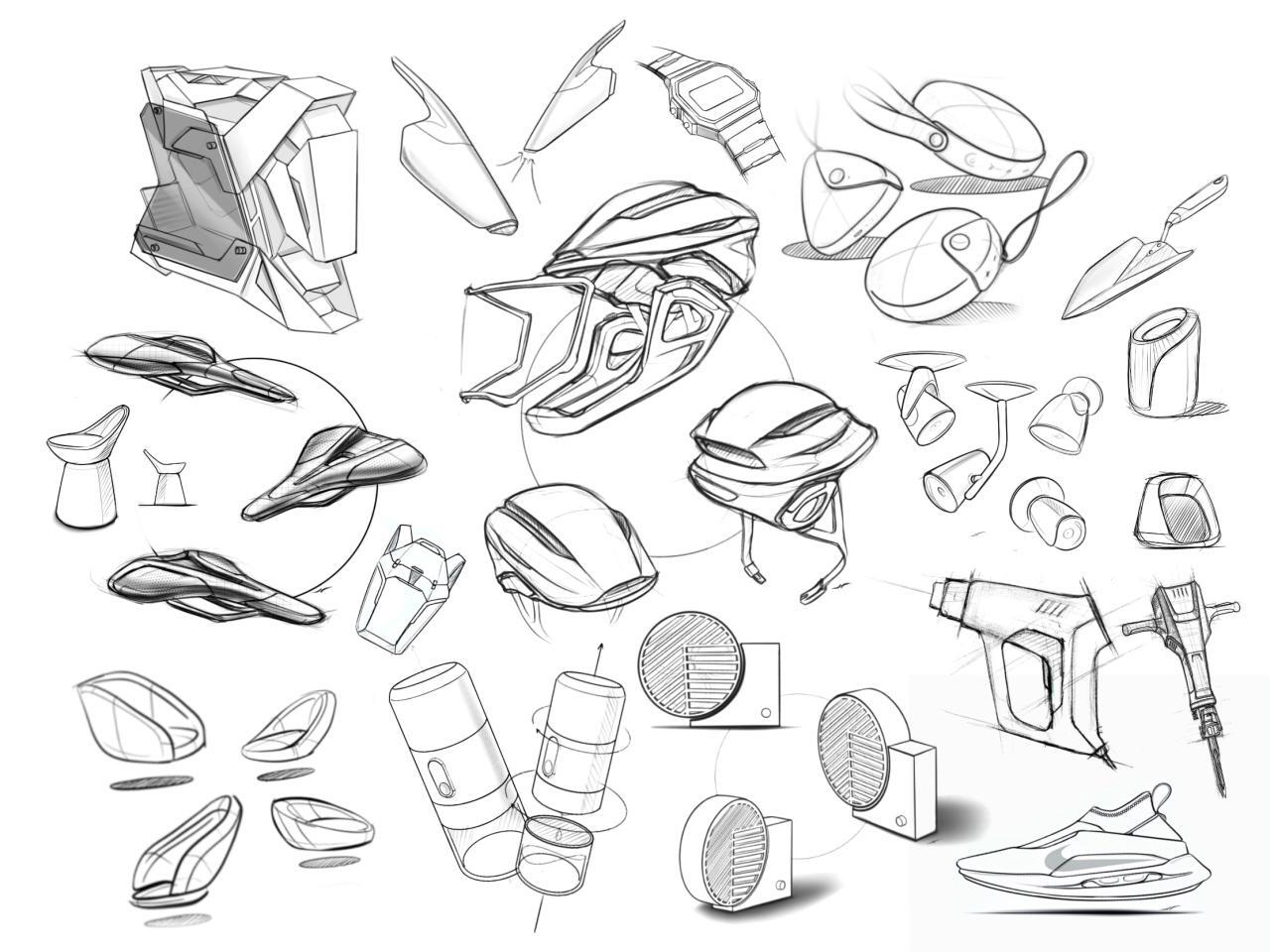
In essence, a well-executed sketch serves as the soul of your watercolor portrait, guiding every brushstroke and color choice. By diligently applying the principles of proportion, observation, and rendering form, you create a robust foundation that allows your watercolor layers to shine. Remember, the careful preparation of your sketch is an investment that pays dividends in the clarity, likeness, and overall impact of your finished portrait.
Embrace this vital preliminary step, and watch your watercolor portraits come to life with confidence and artistry.